


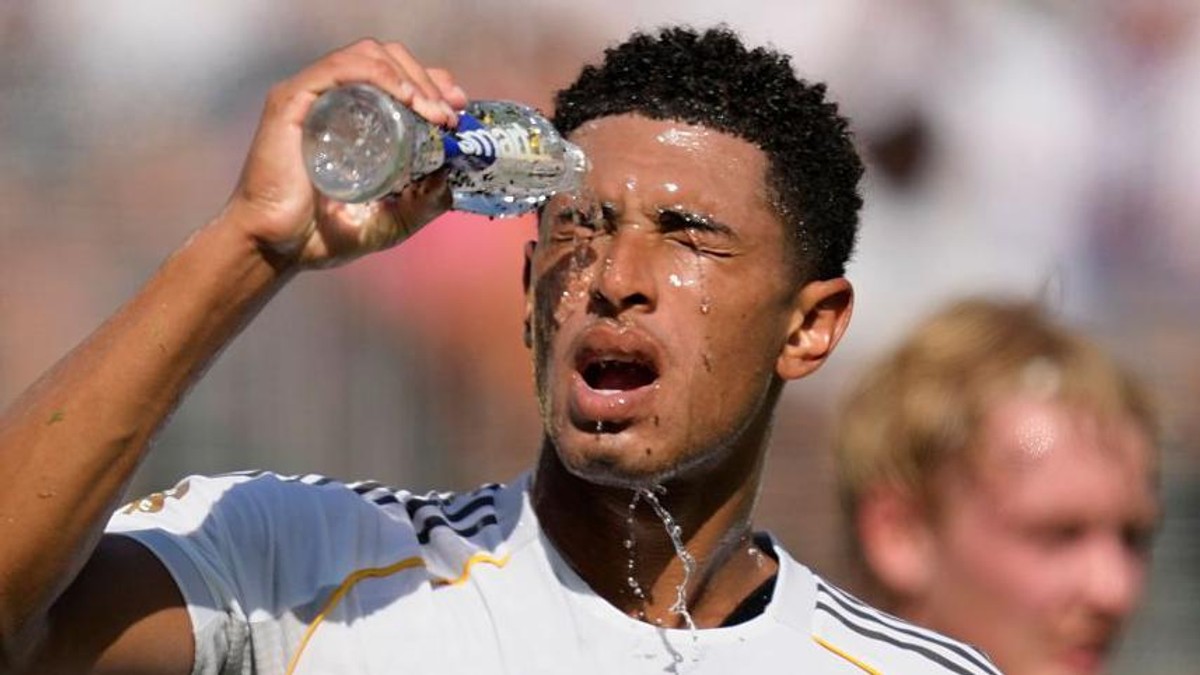
A coalition of leading global scientists has issued a stark warning to FIFA, declaring the federation's current heat safety protocols for the upcoming 2026 World Cup "inadequate" and posing a serious threat to player health. The experts argue that the governing body's guidelines fail to align with the latest scientific evidence on thermal stress.
The Heat Threat in North America
The 2026 tournament, hosted jointly by United States, Canada, and Mexico, faces significant climatic challenges. Researchers warn that dangerous temperature levels are likely at 14 of the 16 selected host stadiums. In southern US regions and northern Mexico, daily averages typically range between 30°C and 35°C, but heatwaves can push temperatures to approximately 40°C.
When combining ambient temperature, humidity, wind speed, and solar radiation, players face a severe risk of extreme heat stress. The scientists' open letter, signed by twenty experts from the UK, US, Canada, Australia, and Europe, states that the current measures are "impossible to justify" given the physiological demands placed on elite athletes.
Current Protocols vs. Scientific Demands
FIFA currently mandates mandatory three-minute cooling breaks during each half of every match, regardless of weather conditions. Benches with controlled temperatures are provided for staff and substitutes. The federation uses the Wet Bulb Globe Temperature (WBGT) index to assess heat risk. A WBGT of 28°C is considered a threshold for serious thermal stress, while values near or above 32°C trigger precautionary measures according to FIFA's emergency medical manual.
However, the scientific community demands more robust interventions. Their key recommendations include:
- Immediate match delays or rescheduling when WBGT exceeds 28°C.
- Extending cooling breaks to a minimum of six minutes.
- Implementing superior cooling conditions for players on the pitch.
- Regular updates to safety protocols based on real-time weather data.
FIFA maintains it is committed to the health and safety of all participants and spectators. The federation has outlined plans for fan protection, including allowing sealed water bottles into stadiums, installing cooling zones, misting systems, and providing air-conditioned transport. Despite these assurances, the scientific community remains unconvinced that the current framework is sufficient to prevent heat-related illnesses during the grueling tournament.



fenerbahce yetkilileri bu haberleri görmezden geliyor sanki. oyuncuların sağlığından hiç mi bahsedilmiyor bu kadar para kazanılırken? 6 dakika molaya bile izin vermeyen organizatörler...