


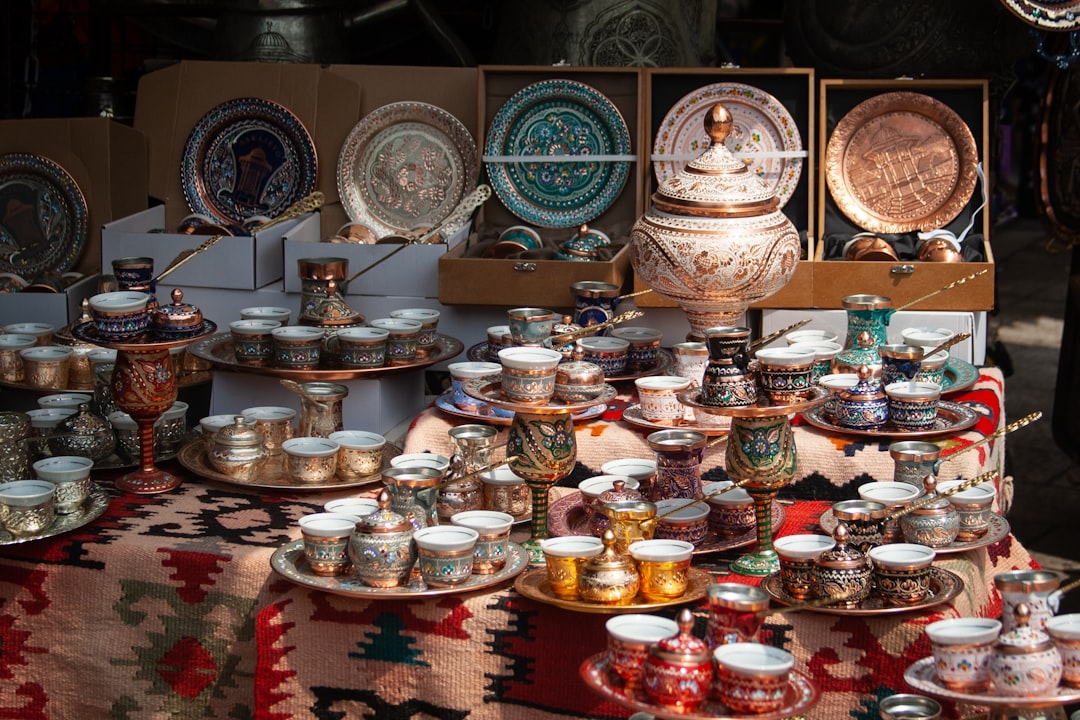
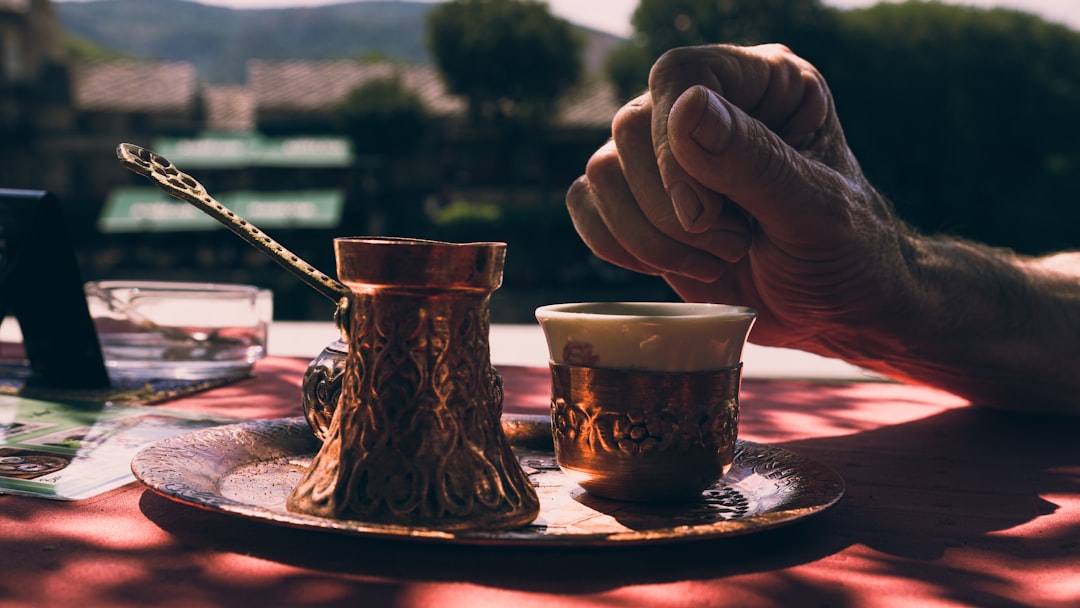
The air in Baščaršija doesn't just smell of roasted coffee; it tastes of it. It is a thick, sweet haze that hangs over the cobblestones like a physical weight, mixing with the scent of frying meat and old stone. I sat on a low wooden stool outside a café that looked like it had been carved from the hillside itself, my fingers wrapped around a glass so thin it felt like holding a breath. The barista, a man with a mustache that defied gravity and a cigarette that never seemed to burn down, poured the coffee from a height that defied physics. It landed in the glass without spilling a drop. This is not just breakfast here. This is religion. This is the heartbeat of Sarajevo, and if you are not drinking it slowly, you are missing the point entirely.
There is no rush in this part of the city. The clock on the clock tower ticks, but nobody checks their watch. The Ottoman influence is not a museum exhibit here; it is the rhythm of the day. The clinking of metal trays, the shouting of merchants, the sizzle of sausages on open grills—it is a sensory overload that demands you slow down. You are not a tourist rushing to the next photo op. You are a participant in a centuries-old ritual where the quality of your coffee determines the quality of your conversation. I watched a group of men debate politics for three hours, moving through four rounds of coffee, each one darker than the last. By the time I left, my mind was heavy, my stomach full, and my soul strangely at peace. This is the Balkans at its most authentic.
History & Identity
The story of Baščaršija is the story of Sarajevo itself: a collision of East and West that never quite stopped. Established in the 15th century after the Ottomans captured the region, this old town was designed as the commercial heart of the empire's European frontier. The name literally translates to "the main market," and for centuries, it served as the gateway for silk, spices, and ideas flowing from Constantinople into the Balkans. The architecture here is a testament to that era, with wooden houses featuring overhanging upper floors, intricate lattice windows, and courtyards that hide quiet gardens from the bustling streets.
But this place has seen more than just trade. It survived earthquakes, wars, and the brutal siege of the 1990s. The cobblestones underfoot are scarred, and some buildings bear the bullet holes that mark the city's recent trauma. Yet, the resilience of Baščaršija is visible in its refusal to let the past die. The Ottoman heritage was not erased; it was preserved through sheer will. Today, the area is a UNESCO-protected zone, but more importantly, it is a living community. The identity of Sarajevo is built on this duality: it is a city that looks to Europe but drinks coffee like Istanbul. It is a place where the minaret and the church spire stand side by side, not in conflict, but in a complex, sometimes uneasy, harmony.
The culinary traditions here are the strongest link to that Ottoman past. The recipes have not changed much in hundreds of years. The techniques are the same, the ingredients are largely the same, and the attitude toward food is the same. Eating here is not about fuel; it is about connection. Whether it is the delicate pastry work of baklava or the slow-cooked meats of a ćevapi grill, every dish tells a story of empire, migration, and survival. To eat in Baščaršija is to taste history, and it is a history that is still being written.
Where to Go
Sebilj Fountain — This octagonal stone fountain is the symbolic center of Baščaršija. Built in the 19th century, it provides free drinking water to locals and visitors alike. The legend says that if you drink from it and make a wish, you will return to Sarajevo. It is surrounded by pigeons that seem to own the square, and it serves as the perfect meeting point for those getting lost in the maze of streets. Entry is free, and it is best visited early in the morning before the crowds arrive.
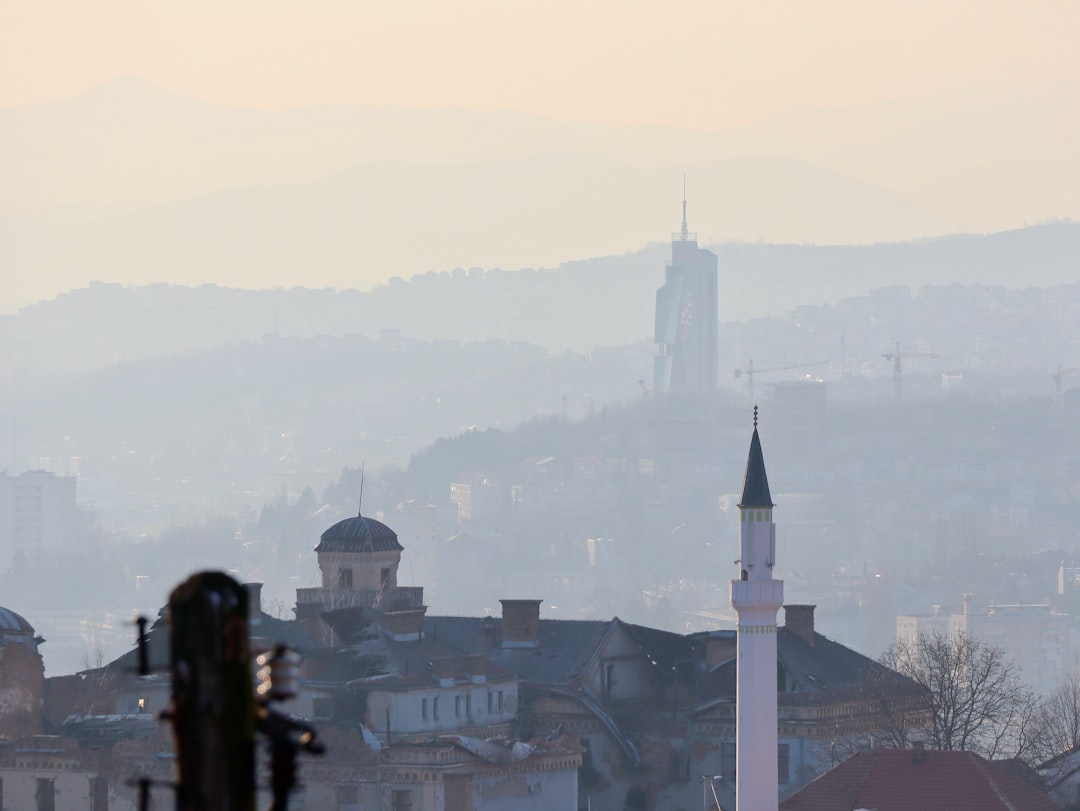
Latin Bridge — Located just at the edge of the old town, this bridge is where the 20th century began. It is the site where Archduke Franz Ferdinand was assassinated in 1914, sparking World War I. The bridge itself is a modest stone structure, but the weight of its history is immense. A small museum nearby displays the bullet holes in the bridge and the wall where the shot was fired. It is a somber place, but essential for understanding the geopolitical significance of Sarajevo. Entry to the museum is 5 EUR.
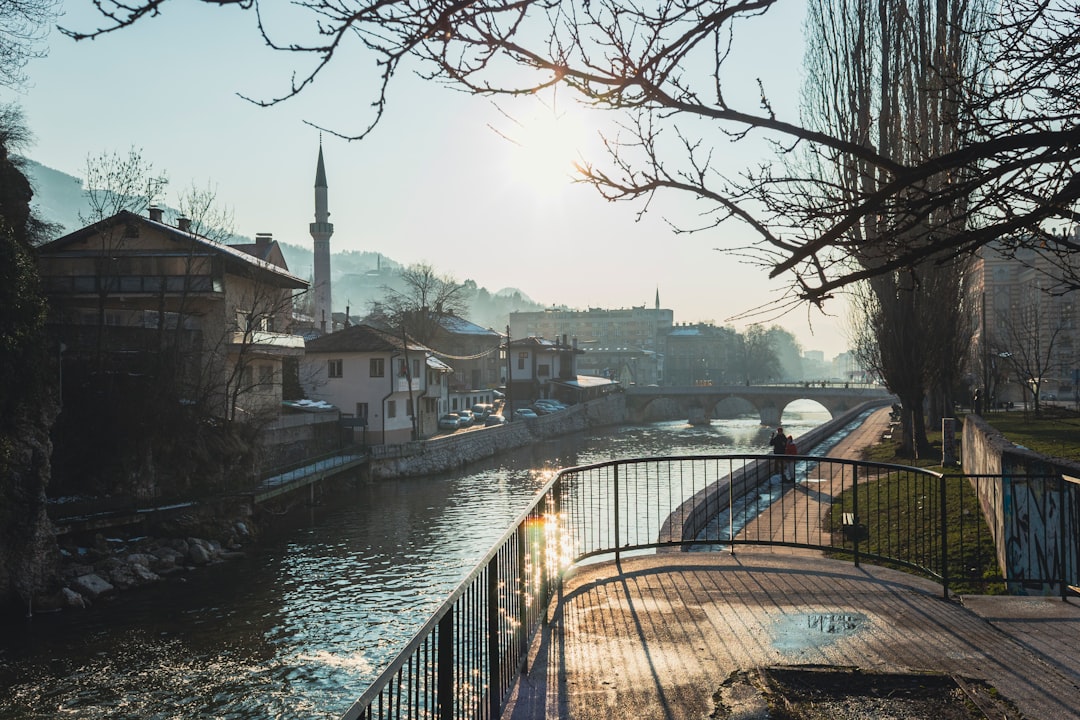
Sarajevo Clock Tower — Rising above the market streets, this clock tower is one of the oldest structures in the city, dating back to the 16th century. It was destroyed during the siege and later reconstructed. The clock chimes every hour, marking time in a place that seems to exist outside of it. You can climb to the top for a panoramic view of the old town's red roofs and the surrounding mountains. Entry is 3 EUR.
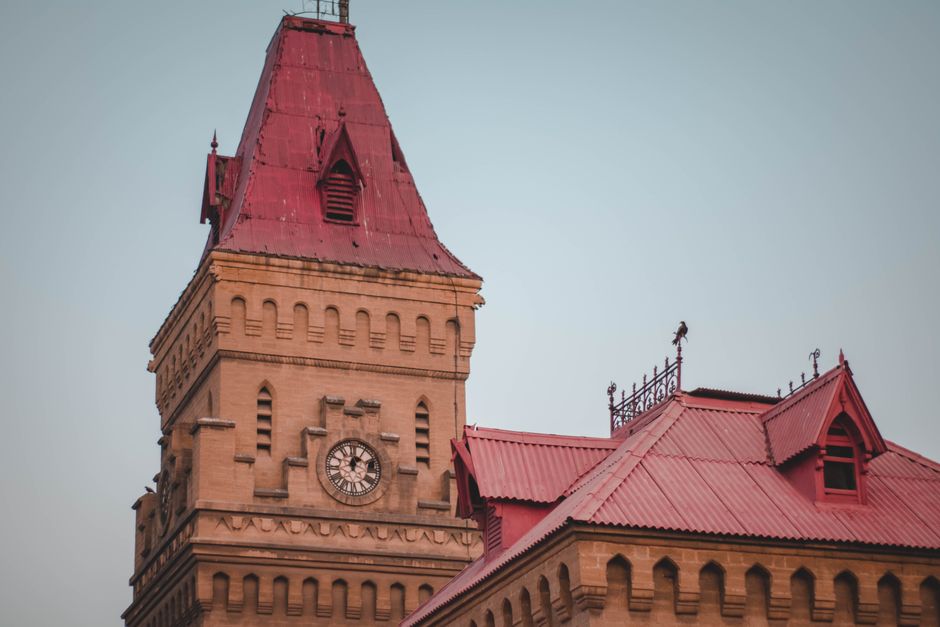
Gazi Husrev-beg Mosque — This is the largest and most important mosque in Sarajevo, built in the 16th century. The architecture is classic Ottoman, with a central dome and a slender minaret. Inside, the space is cool and quiet, a stark contrast to the noise outside. Visitors are welcome if they dress modestly, and the courtyard is a peaceful spot for reflection. Entry is free, but donations are appreciated.

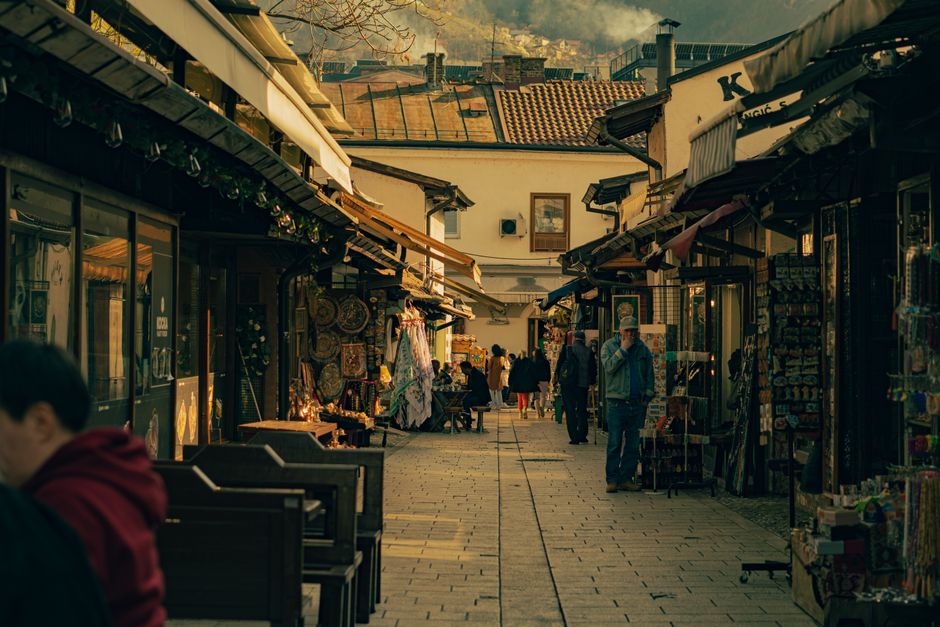
Kujundžiluk Street — This narrow street is lined with shops selling traditional copperware, leather goods, and silver jewelry. It is the heart of the artisan trade in Baščaršija. The sound of hammers on metal echoes from the workshops, and the smell of polished copper fills the air. It is a great place to buy souvenirs, but be prepared to haggle. Prices vary, but a small copper plate might cost 10-20 EUR.
What to Eat & Drink
The food in Baščaršija is a direct continuation of the Ottoman culinary tradition, adapted to local tastes and ingredients. The first thing you must try is bosanski lonac, a slow-cooked meat and vegetable stew served in a clay pot. It is rich, hearty, and perfect for the cold Balkan winters. A serving costs about 8-12 EUR. For something lighter, try šopska salata, a refreshing mix of diced tomatoes, cucumbers, onions, and peppers, topped with grated white cheese. It is a staple at every table and costs around 3-4 EUR.
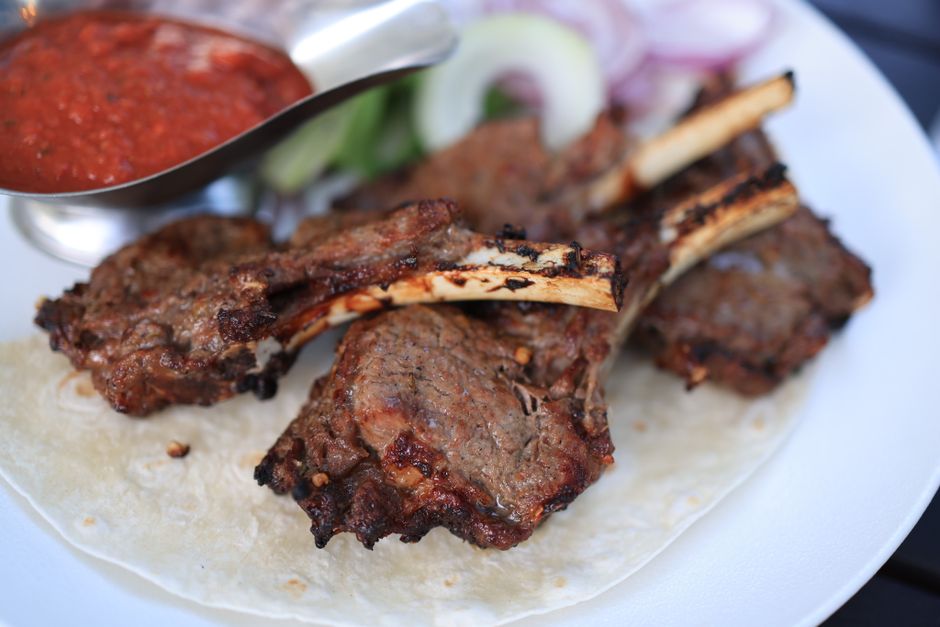
Then there is the king of Balkan street food: ćevapi. These are small, grilled meat sausages, usually made from a mix of beef and lamb, served with flatbread and raw onions. In Baščaršija, you can find them everywhere, but the best spots are the old-school grills where the smoke is thick and the meat is fresh. A plate of ten ćevapi costs 5-7 EUR. For dessert, you cannot leave without trying baklava or gibanica. Baklava is layers of phyllo dough, nuts, and syrup, while gibanica is a savory cheese pie. Both are best enjoyed with a strong coffee. A piece of baklava costs 2-3 EUR.
Budget travelers can eat well in Baščaršija if they know where to look. Street food and take-away options are plentiful, with meals costing under 5 EUR. For a sit-down meal at a local restaurant, expect to pay 10-15 EUR per person. Mid-range restaurants with better ambiance and service will cost 15-25 EUR. The best area for food is around Sebilj and Kujundžiluk, where the concentration of cafés and restaurants is highest. There are also several food courts in the nearby shopping centers if you want a break from the old town atmosphere.
Nightlife
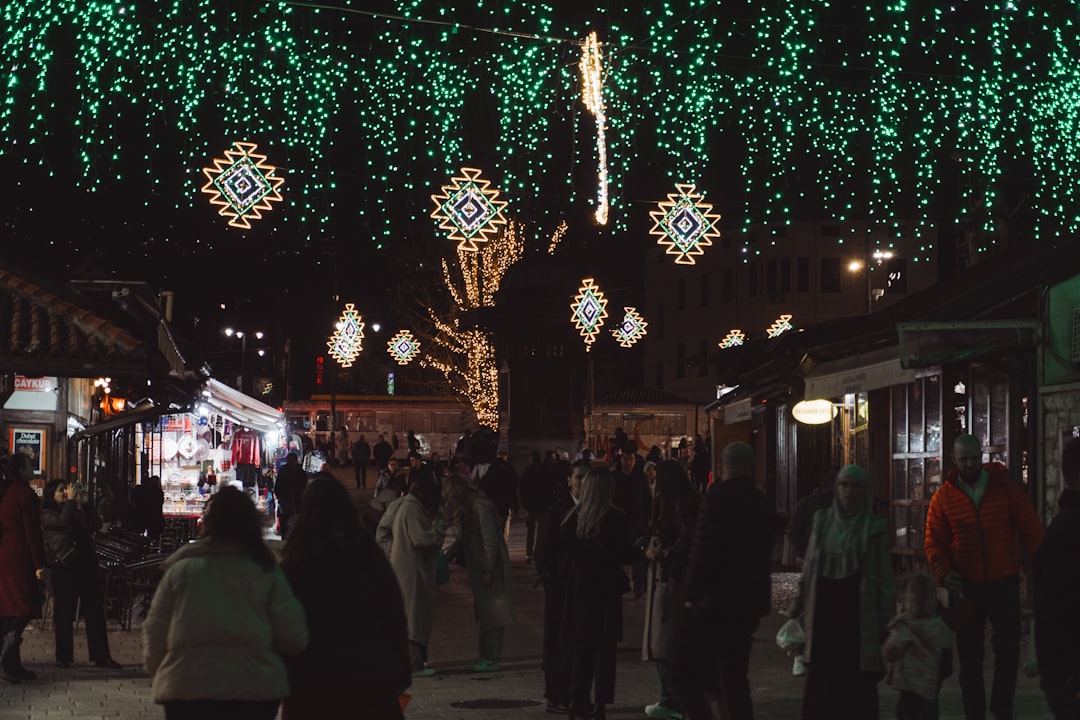
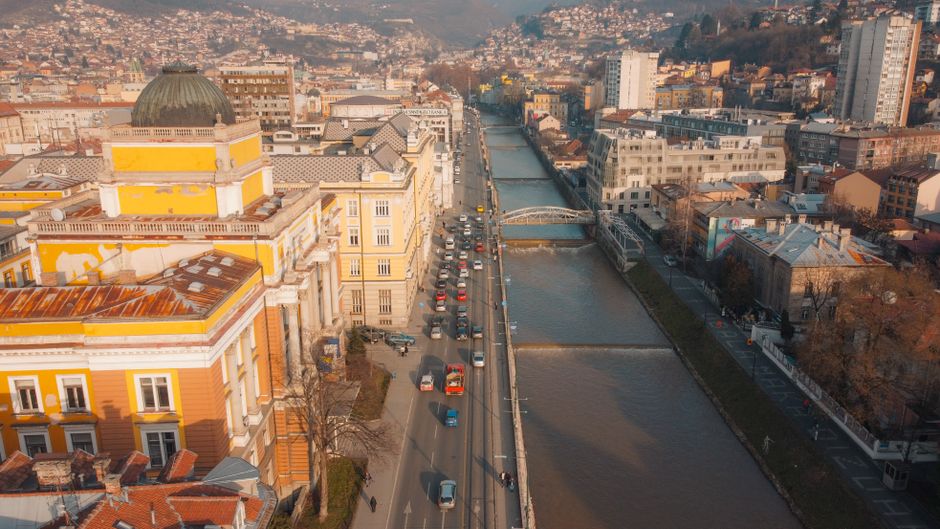
When the sun sets, Baščaršija transforms. The cafés that served coffee by day become bars, and the streets fill with young people looking for entertainment. The main nightlife district is not far from the old town, centered around Ali Paša Street and Obala Kulina bana along the Miljacka River. The atmosphere is lively, with music spilling out onto the streets and crowds gathering on the riverbanks.
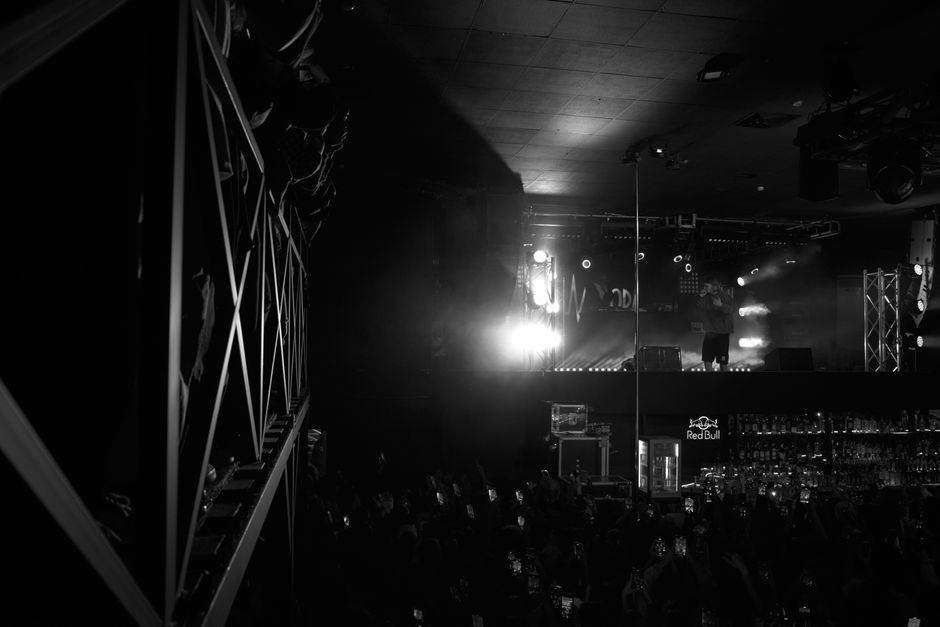
One of the most famous spots is Hard Rock Cafe Sarajevo, which offers a mix of international music and local crowds. It is a reliable option for tourists and locals alike, with a cover charge of 5-10 EUR. For a more authentic experience, try Bar Amadeo, a stylish bar with a great view of the city. The music is usually electronic or indie, and the drinks are reasonably priced at 4-6 EUR per cocktail. If you prefer live music, Dom Omladine is a cultural center that hosts concerts and club nights. It is a hub for alternative culture in Sarajevo, with cover charges ranging from 5-15 EUR depending on the event.
Getting There & What to Expect
Sarajevo International Airport is the main gateway to the city, located about 15 kilometers from the center. You can take a bus to Baščaršija for 2 EUR, which takes about 30 minutes. Taxis are also available and cost around 10-15 EUR. If you are coming from other Balkan hubs, there are regular bus and train connections from Belgrade, Zagreb, and Budapest. The bus from Budapest takes about 10 hours and costs 30-40 EUR.
Accommodation in Sarajevo is affordable compared to other European capitals. Budget hostels in the old town area cost 15-25 EUR per night. Mid-range hotels offer more comfort and amenities for 40-70 EUR per night. If you prefer to stay in Baščaršija itself, there are several guesthouses and boutique hotels, but prices are slightly higher, around 50-80 EUR per night. The best months to visit are from April to June and September to October, when the weather is mild and the crowds are smaller. Winter is beautiful but cold, with temperatures dropping below freezing.
Search accommodation in Sarajevo on Booking.com →
The Last Drop
As the night deepens, the coffee stains on the tables of Baščaršija seem to glow in the dim light. I walked back through the emptying streets, the sound of my footsteps echoing off the stone walls. The city was quiet now, but the energy remained, humming beneath the surface. I thought about the men I had watched earlier, debating politics over coffee, and realized that nothing had changed in centuries. The empires had risen and fallen, the wars had come and gone, but the ritual remained. The coffee was still poured from height, the sugar was still sweet, and the conversation was still endless. In Sarajevo, time is not measured in hours, but in cups. And as long as the coffee keeps flowing, the soul of this city will never die. I left Baščaršija with a full stomach, a heavy mind, and a promise to return. Because in a world that moves too fast, there is still a place where you can sit, drink, and just be.
Comments