


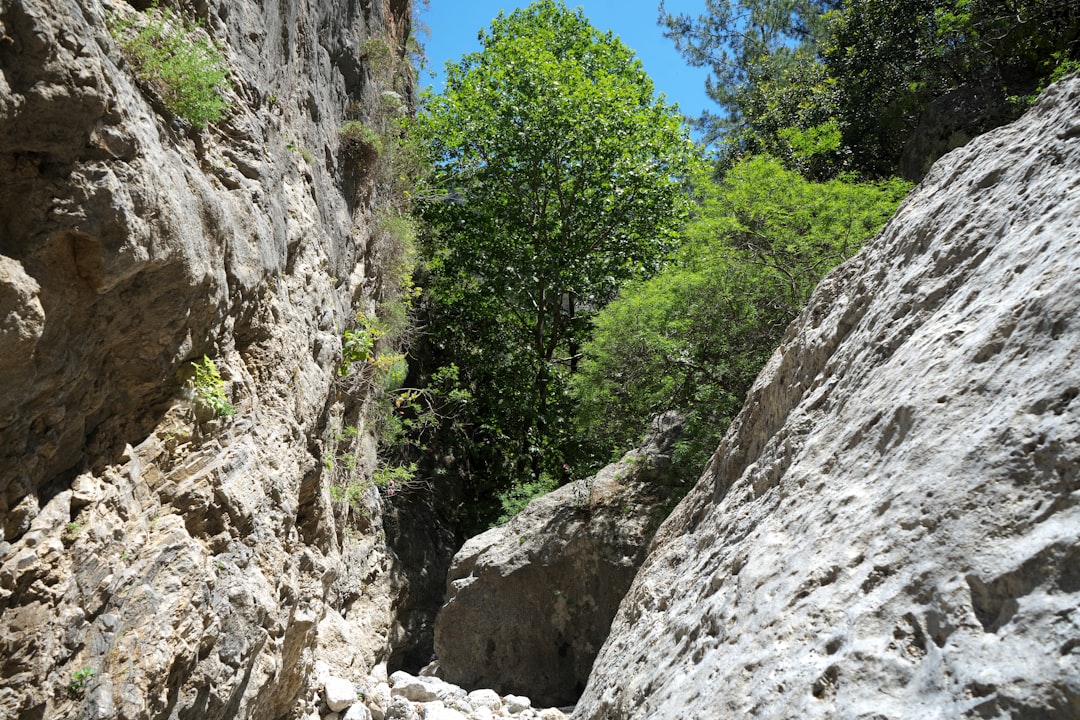
I didn't walk into Samaria Gorge to sightsee. I walked in because I had a beer in my hand, a half-eaten sandwich in my pocket, and the stubborn belief that nature would break me if I just kept moving. The air was already thick with the scent of pine resin and goat sweat. Around me, a river of backpackers — Germans in neon vests, Italians with selfie sticks, a lone Serbian trekker muttering about the heat — poured down the narrow stone path like a slow-moving flood. No one was smiling. We were all just trying not to die.
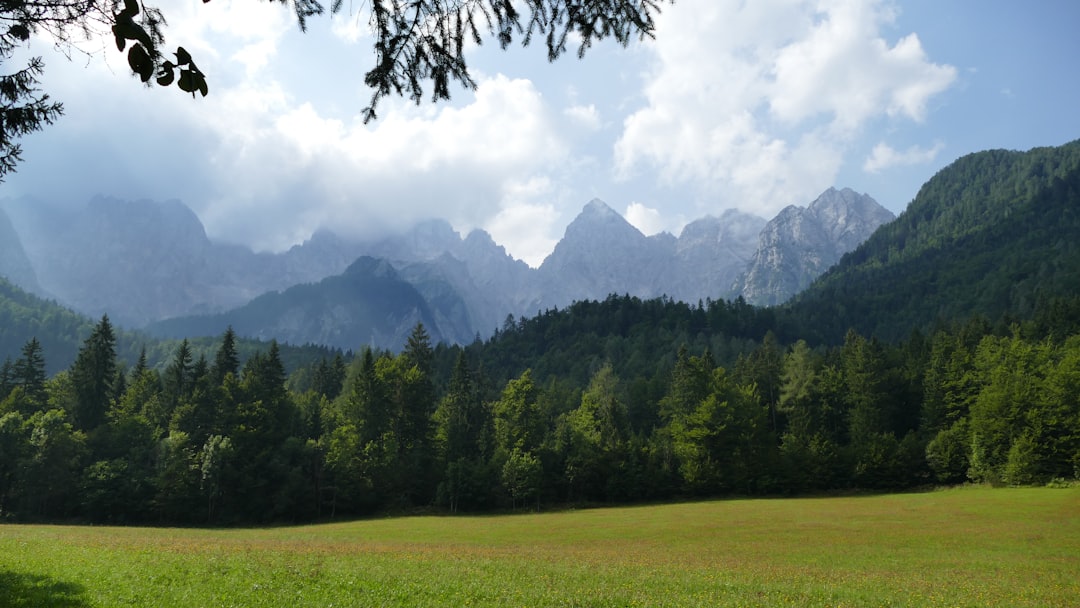
By noon, the gorge had closed in. White Mountains loomed on either side, sheer limestone walls dropping hundreds of meters into shadows so deep they felt ancient. The trail was barely wider than my shoulders in places. I passed a woman crying because her shoe strap had snapped. I passed a man praying to a statue of the Virgin Mary mounted into the rock face. I passed myself, three hours earlier, when I still thought this was a "nice hike."
History & Identity
Samaria Gorge isn't just a trail. It's a scar. Carved over millions of years by tectonic shifts and the relentless force of the White River, the gorge has been a refuge, a prison, and a battleground. During the Ottoman occupation, Cretan rebels used its narrow passages to ambush invaders. In World War II, it sheltered those fleeing the Axis advance. Today, it's a UNESCO Biosphere Reserve, home to the last wild population of the Cretan wild goat, known locally as kri-kri.
The gorge's identity is split between its natural majesty and its human history. At the top, you'll find the ruins of Samaria Monastery, a 16th-century Orthodox site that once served as a hideout for rebels. At the bottom, the Agia Roumeli village clings to the coast, a former fishing hamlet now overrun with souvenir shops and tavernas. The contrast is jarring — one moment you're surrounded by silence and stone, the next you're dodging tour groups and buying overpriced postcards.
What makes Samaria Gorge endure isn't just its length — 16 kilometers one-way, the longest in Europe — but its ability to strip you down. There are no shortcuts. No detours. Just the trail, the heat, and the people around you. It's a place where ego dissolves and survival becomes the only metric that matters.
Where to Go
Samaria Gorge Entrance — The hike begins at Omalos Plateau, a high-altitude meadow at 1,230 meters above sea level. The entrance gate opens at 8:00 AM and closes at 2:00 PM. You need a valid ID and a ticket. The trailhead is marked by a large stone archway and a series of information boards detailing the flora and fauna. Entry fee is 6-12 EUR depending on the season.
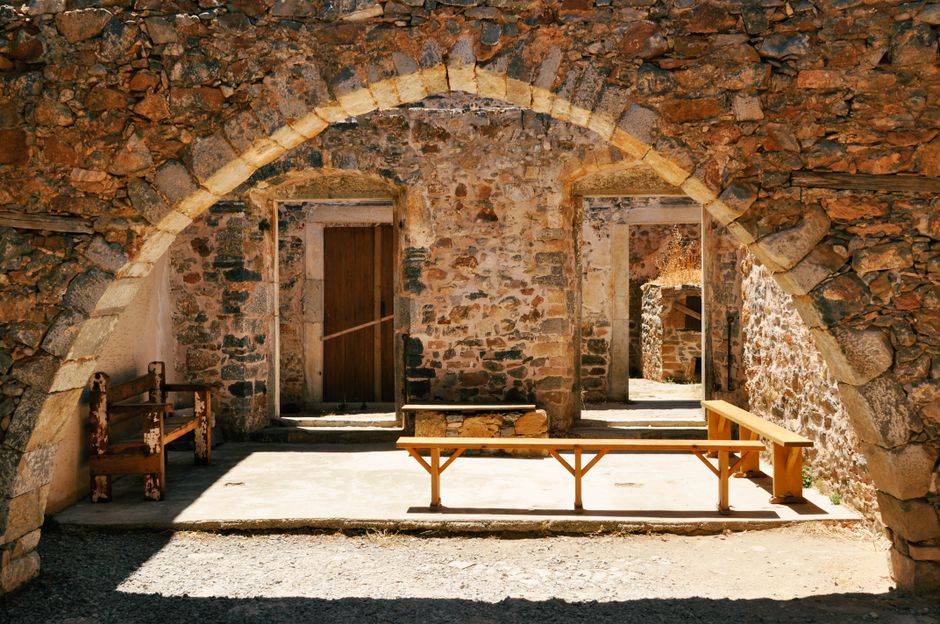
Narrow Gates (Vyzokomiata) — About 10 kilometers into the hike, the gorge squeezes to a width of just 3.5 meters. The walls rise to 300 meters on either side. Metal stairs bolted into the rock face help you descend this section. It's the most dramatic part of the hike, but also the most dangerous if you're not careful. The air is cooler here, but the crowds are thicker.
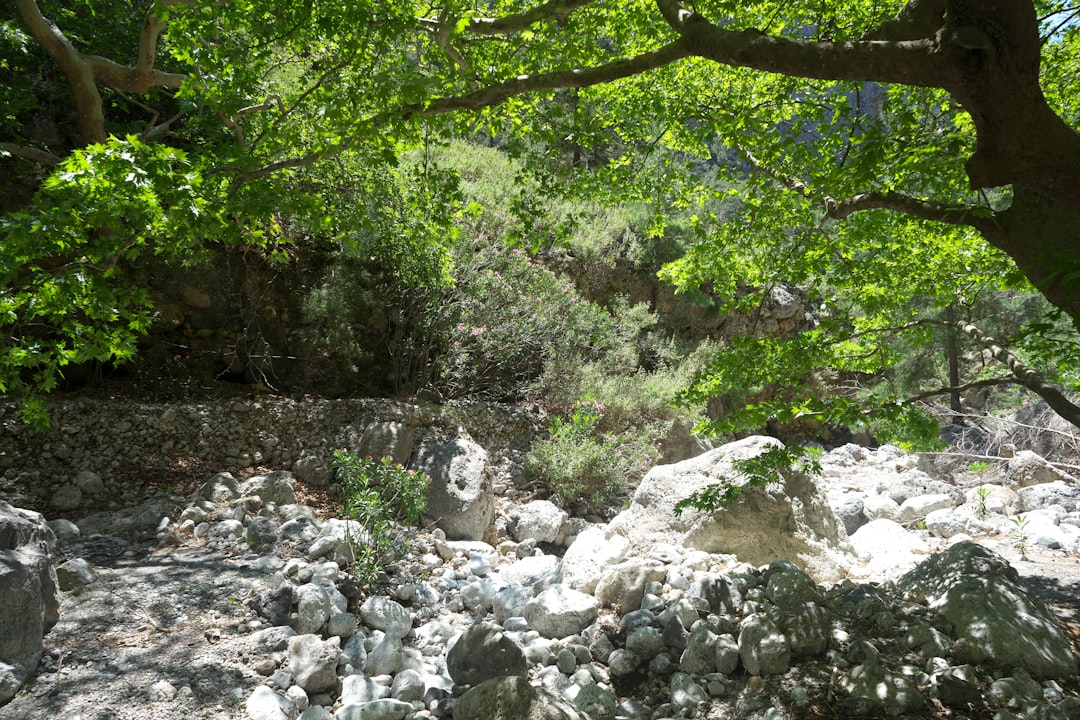
Agia Roumeli Village — The hike ends here, a tiny coastal village at the mouth of the gorge. It's a maze of narrow streets lined with tavernas, shops, and a small Orthodox church. The beach is pebbly but the water is clear. If you're lucky, you can catch a boat back to Chania or Sougia. If not, you're stuck waiting for the next one, which could be hours away.
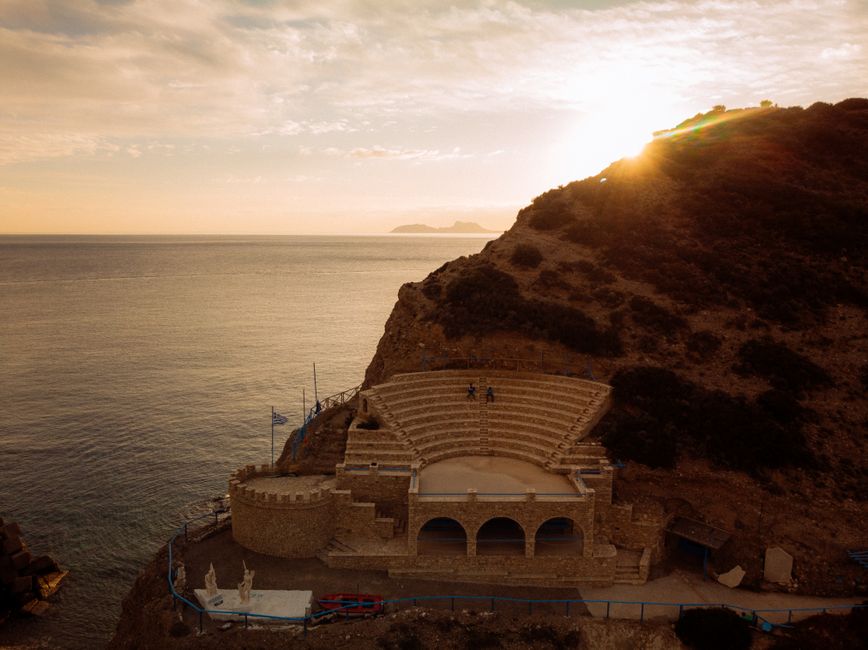
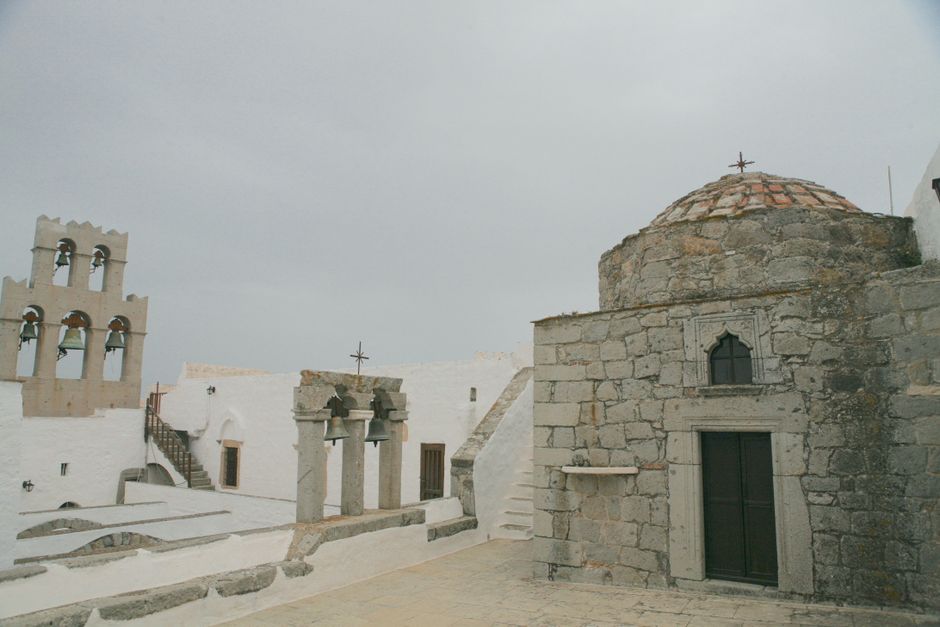
Samaria Monastery — Located near the entrance, this 16th-century monastery is a short detour from the main trail. It's a small, whitewashed building with a bell tower and a courtyard filled with wildflowers. The interior is simple, with frescoes depicting biblical scenes. It's a quiet place to pause before the hike begins.
What to Eat & Drink
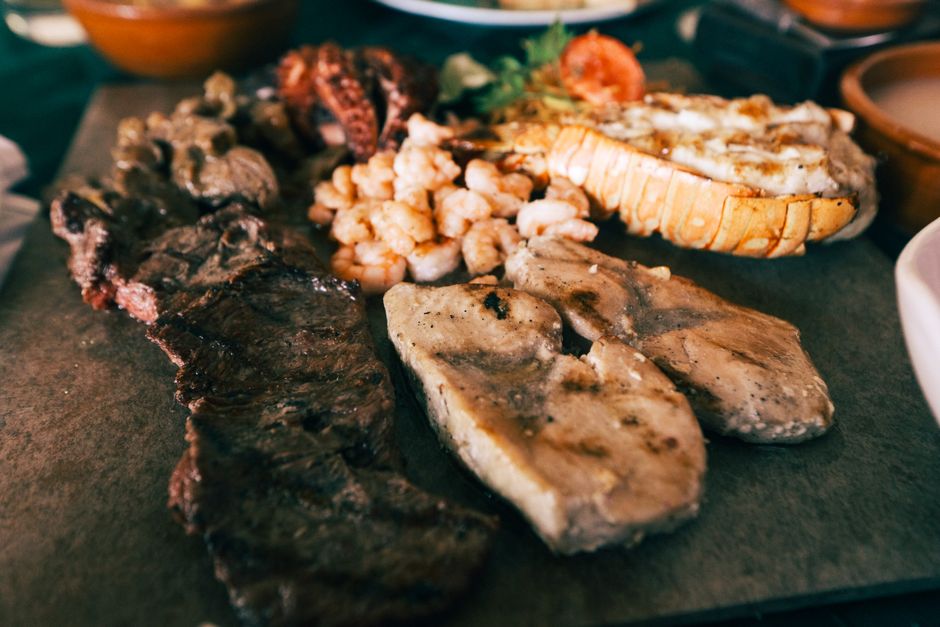
Food in Samaria Gorge is a study in contrasts. At the top, you'll find basic cafes serving Greek coffee and pancakes for 3-5 EUR. At the bottom, Agia Roumeli is packed with tavernas serving grilled fish, octopus, and lamb for 10-20 EUR per person. In between, there's nothing. You need to bring your own water and snacks. The gorge has no shops or restaurants along the trail.
Budget breakdown: Street food / take-away under 5 EUR per meal; sit-down local restaurant 8-15 EUR per person; mid-range 15-25 EUR. The best time to eat is at the top before you start, or at the bottom after you finish. Don't try to eat on the trail — it's too hot and the crowds are too thick.
For budget travelers, there are food courts and take-away options in Chania and Rethymno before you head to the gorge. You can also buy supplies in Omalos village, which is a short bus ride from the trailhead.
Nightlife
Nightlife in Samaria Gorge is non-existent. The trail closes at 2:00 PM, and the last boat from Agia Roumeli leaves around 6:00 PM. After that, you're stuck in the village or you're stuck on the beach. The tavernas close early, and the only sound is the waves crashing against the shore.
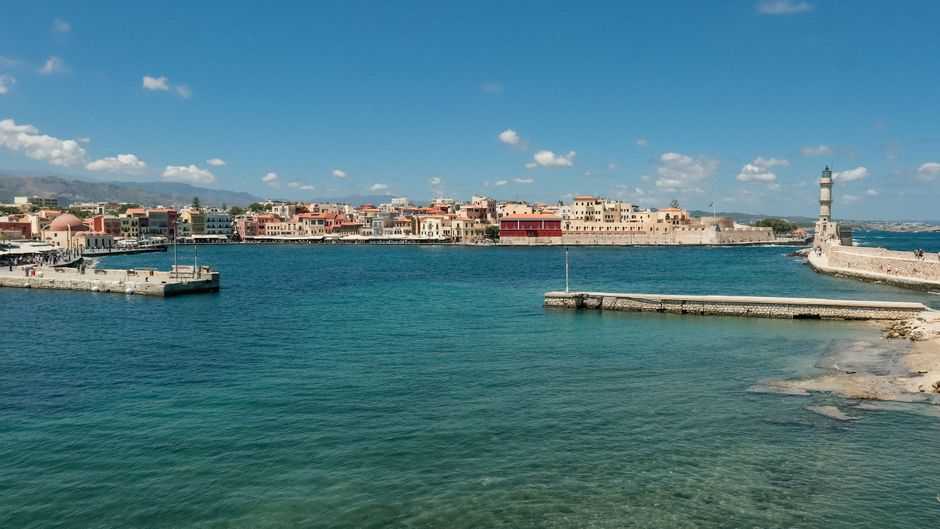
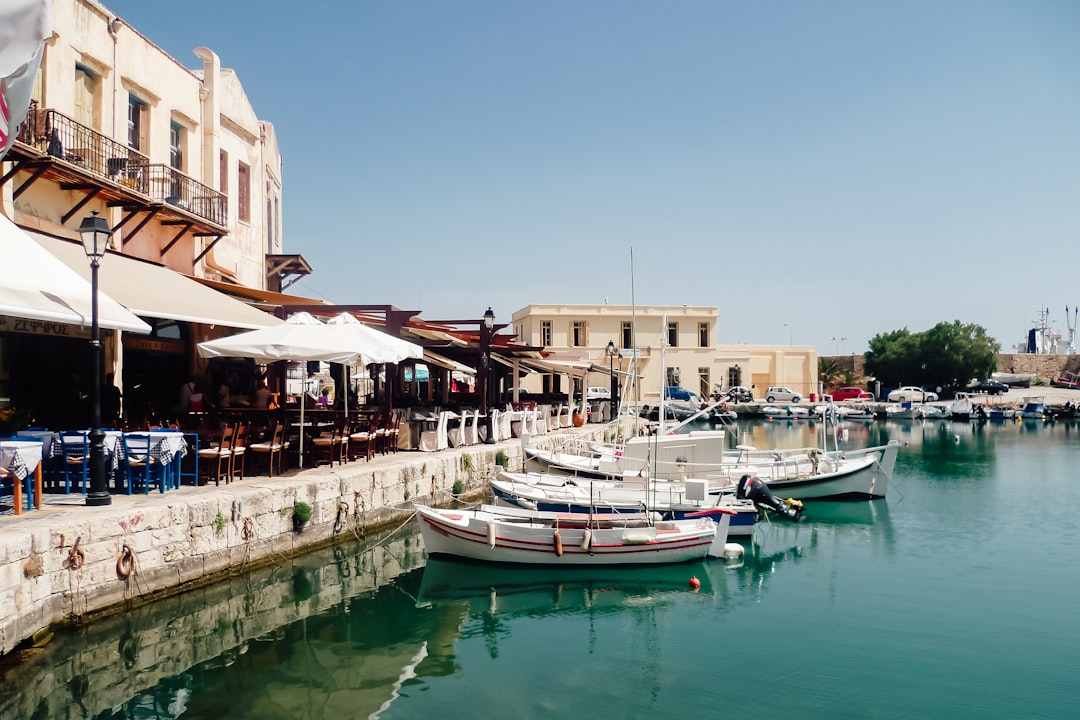
If you're looking for bars and clubs, head to Chania or Rethymno. Both cities have vibrant nightlife scenes with plenty of options for every taste. Chania is known for its Venetian harbor and Old Town, while Rethymno is famous for its Fortezza and arcades.
Getting There & What to Expect
Nearest airport: Chania International Airport (CHQ). From there, you can take a bus or taxi to Omalos Plateau. The bus ride takes about 2 hours and costs 10-15 EUR. A taxi will set you back 50-70 EUR.
Accommodation price range: Budget hostel 20-40 EUR/night; mid-range hotel 50-80 EUR/night. Best months to visit: April to June and September to October. The summer months are too hot and too crowded.
The trail is open daily from April 15 to October 15. Hours of operation are 8:00 AM to 2:00 PM at the entrance. The last entry is at 2:00 PM. You need to plan your day carefully to make sure you have enough time to complete the hike and catch a boat back to civilization.
Search accommodation in Chania on Booking.com →
Final Thoughts
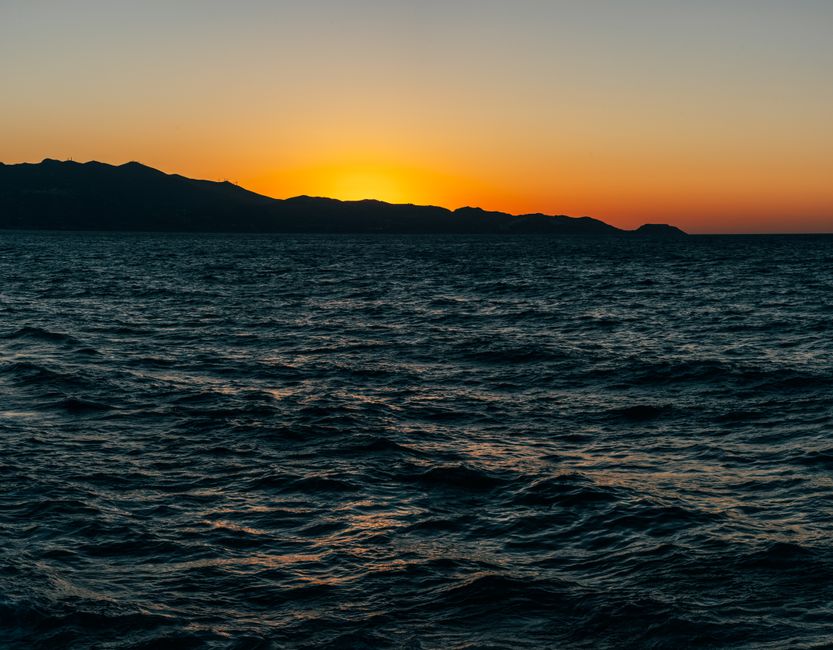
I walked out of Samaria Gorge with blisters on my feet, sand in my shoes, and a story I'll never forget. It wasn't a pleasant hike. It wasn't a relaxing vacation. It was a test of endurance, a lesson in humility, and a reminder that nature doesn't care about your comfort. But as I stood on the beach in Agia Roumeli, watching the sun set over the Libyan Sea, I knew I'd do it again. Not for the beauty, not for the history, but for the feeling of being alive in a way that only the wild can give you.
Comments