



June 13 marks a significant date in the religious and cultural calendar of the Balkans, particularly for Orthodox Christian communities in Greece, Serbia, North Macedonia, and Bulgaria. The day is dedicated to **Saint Basil the New**, a 10th-century monk from Constantinople, and is also observed as the feast day of several other saints across different Christian traditions. For millions in the region, this date blends religious observance with local customs, name days, and regional historical memory.
In Greece, June 13 is widely known as the feast of **Agios Vasilios**, though it is distinct from Saint Basil the Great, whose feast falls on January 1. This June observance honors Saint Basil the New, a revered figure in Orthodox hagiography. Name-day celebrations are deeply embedded in Balkan culture, and those named Vasilis or Vasiliki mark the occasion with family gatherings, church services, and traditional hospitality. The date also coincides with other saints' days, including Saint Anthony the Great in some Western traditions, highlighting the region's layered religious heritage.
Religious Significance and Orthodox Observance
The **Greek Orthodox Church** lists June 13 as the feast of Saint Basil the New, who was born in Constantinople in the 10th century and later became a monk on Mount Athos. His life is celebrated for its ascetic discipline and spiritual teachings. According to the Wikipedia entry on Saint Basil the New, he was canonized for his martyrdom and miracles, and his relics are venerated in several Orthodox churches. In Serbia, the date is also recognized, though local calendars may emphasize different saints depending on regional traditions.
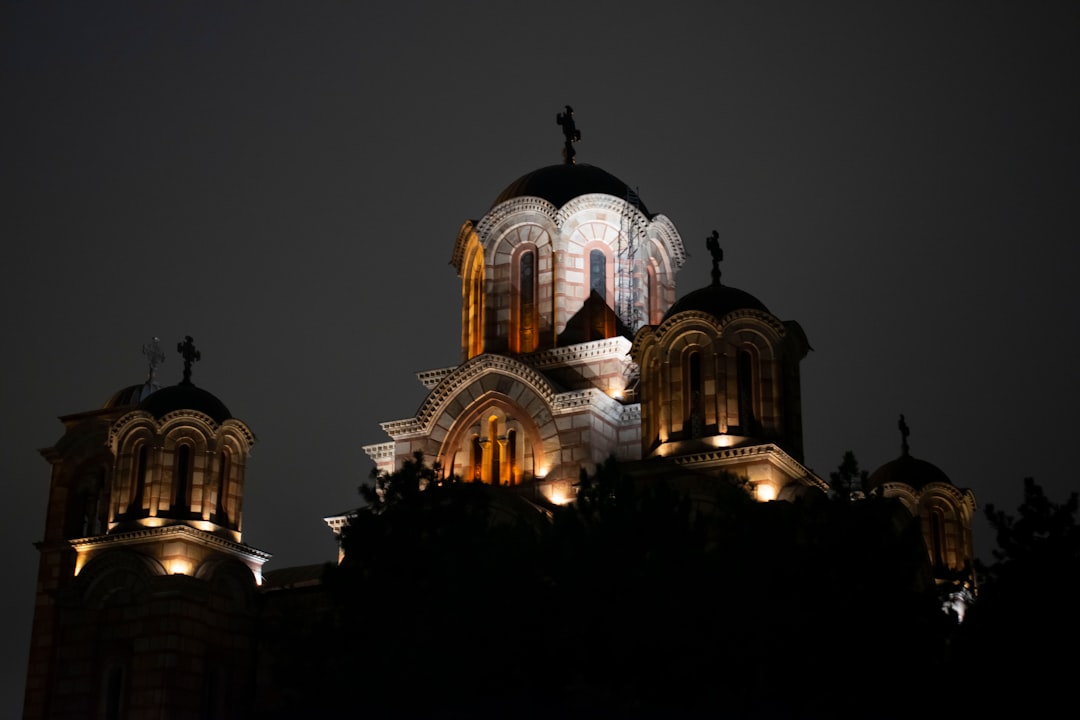
In **North Macedonia** and **Bulgaria**, the Orthodox liturgical calendar similarly includes June 13 as a day of remembrance for various saints. The Serbian Orthodox Church and the Macedonian Orthodox Church publish annual liturgical calendars that guide parish life. These dates are not merely religious markers but also shape social rhythms, influencing school holidays, public events, and even agricultural cycles in rural areas. The veneration of saints remains a cornerstone of identity in these nations, where church and community life are closely intertwined.
Historical and Cultural Context
Beyond religious observance, June 13 holds historical resonance in the Balkans. In **Greece**, the date falls during the summer festival season, when many villages host panigyria—local religious fairs combining worship with music, dance, and food. These events often draw tourists and diaspora communities, reinforcing cultural ties across borders. In **Serbia**, June is a month of national and religious significance, leading up to the Feast of Saint Vitus on June 28, which marks the anniversary of the Battle of Kosovo. While June 13 is not a major national holiday, it contributes to the broader tapestry of summer commemorations.
In **Montenegro** and **Bosnia**, where religious demographics are more mixed, June 13 may be observed differently depending on local majorities. In predominantly Catholic areas, the date might align with Western saints' days, while Orthodox communities follow the Eastern calendar. This duality reflects the Balkans' complex history of imperial rule, migration, and coexistence. The Wikipedia overview of religion in the Balkans notes that Orthodox Christianity, Catholicism, and Islam all play significant roles in shaping regional identity and daily life.
Why June 13 Matters Today
In an era of globalization, traditional date-based customs like June 13 serve as anchors of cultural continuity. For Balkan diaspora communities in Europe and North America, observing name days and saints' feasts helps preserve linguistic and religious heritage. Greek, Serbian, and Macedonian expatriates often organize church services and cultural events around these dates, creating transnational networks of identity. The Greek Reporter and Balkan Insight frequently cover such diaspora activities, highlighting their role in soft diplomacy and cultural exchange.
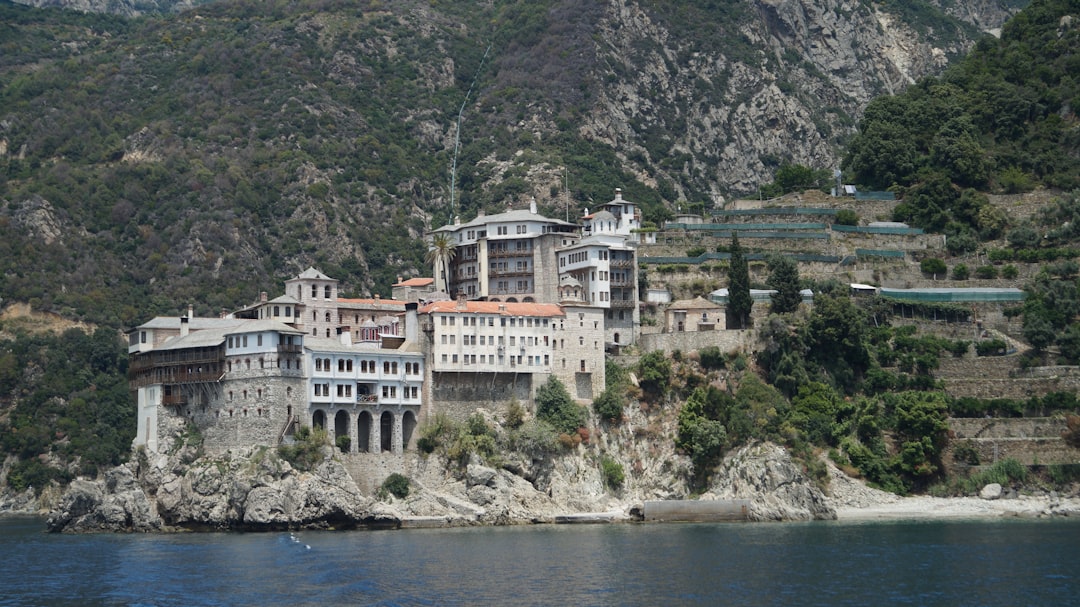
Moreover, the religious calendar influences tourism. Pilgrimages to monasteries and shrines dedicated to saints like Basil the New attract visitors throughout the summer. In Greece, sites such as the Mount Athos monastic community see increased activity during feast seasons. In Serbia, the Manasija Monastery and other medieval sites draw both worshippers and heritage tourists. These flows support local economies and promote cross-border cultural understanding.
Looking ahead, June 13 will continue to function as a quiet but meaningful marker in the Balkan calendar. While it may not dominate international headlines, its local significance underscores the enduring power of tradition in shaping regional identity. Readers interested in Balkan culture should watch for how digital platforms and diaspora networks are revitalizing interest in saints' days and name-day customs among younger generations. As urbanization and secularization reshape society, these annual observances remain vital threads in the cultural fabric of Greece, Serbia, and their neighbors.


Comments