


History & Identity
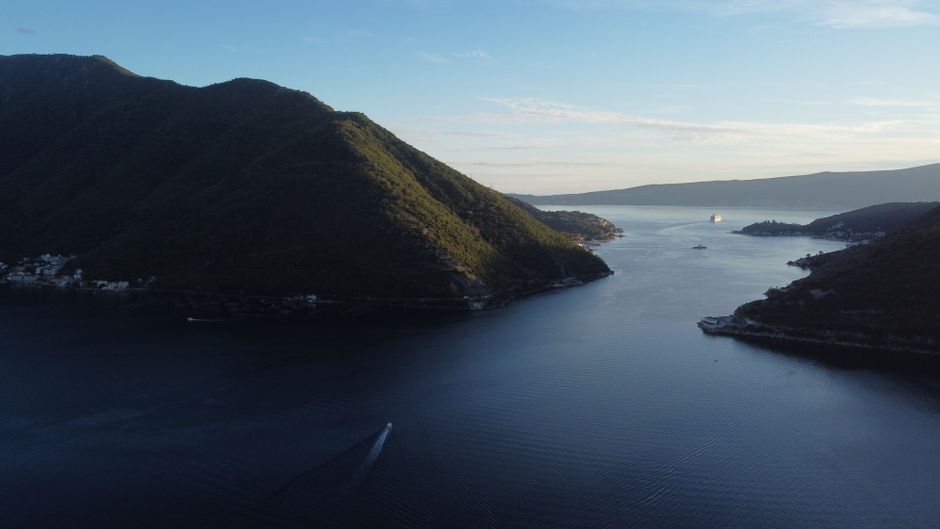
The salt spray hits my face with the force of a slap, mixing with the smell of diesel and old stone. I'm standing on the deck of a cramped charter boat, watching the limestone cliffs of Kotor Bay rise vertically out of the Adriatic. It doesn't feel like a vacation spot; it feels like a trap, a beautiful, geological cage designed to keep invaders out and secrets in. A local fisherman yells something in a dialect that sounds like grinding stones, pointing at the sky where thunderheads are gathering over the Lovćen National Park Lovćen National Park. He says the sea will turn black in ten minutes. I don't believe him until the water literally turns the color of ink.
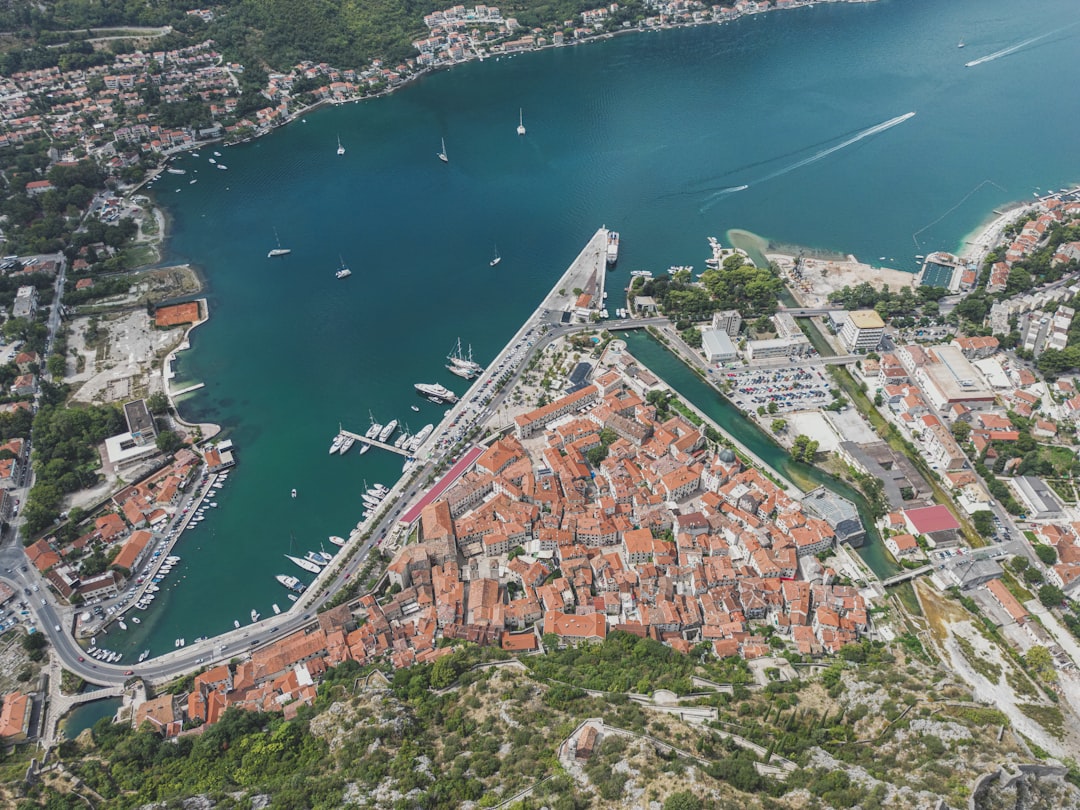
This isn't just a pretty bay. This is a military scar. For centuries, the Boka Kotorska Boka Kotorska was the most important naval base in the Balkans. The Venetians built it, the Ottomans tried to take it, the Austro-Hungarians fortified it, and the Italians bombed it. Every stone wall you see here was built to kill someone or keep someone out. The identity of this place is forged in salt, sweat, and gunpowder. You don't just sail here for the views; you sail here to understand why the Balkans are so hard to conquer. The mountains don't let you in, and the forts make sure you don't stay.
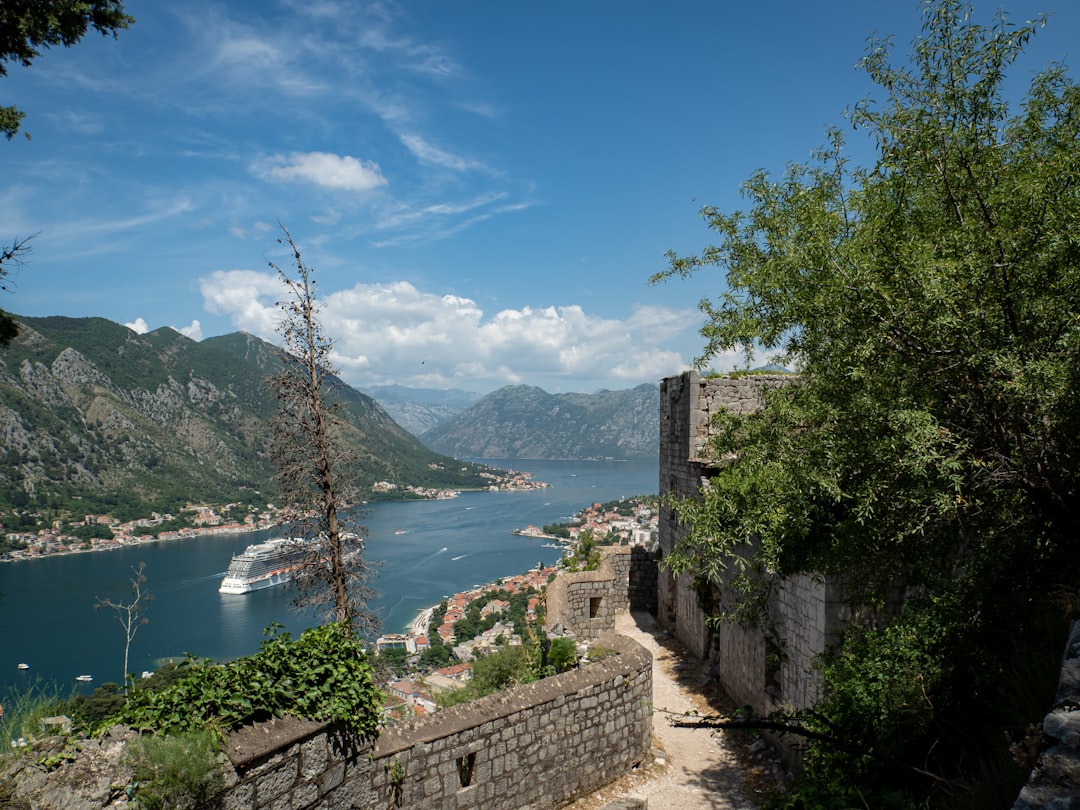
The fortifications aren't ruins in the romantic sense. They are brutal, functional machines of war. Kotor Fortifications Kotor Fortifications aren't just a single castle; they are a layered defense system that climbs the mountain like a stone vine. And at the top, overlooking the entire bay, sits the Castle of St. John Castle of St. John. It's not a fairy-tale tower. It's a grim, rectangular block of limestone that has watched empires rise and fall while the locals below continued to fish, drink, and argue. The history here is alive because the walls are still intact, still imposing, and still relevant to the town's layout and life.
Where to Go
Castle of St. John — This is the crown jewel of the defense system. Located on the highest point of the Old Town, it offers a 360-degree view of the bay, the mountains, and the Adriatic. The climb up is steep, with narrow alleys and stone steps that wear out your shoes. Inside, you'll find the remains of the original chapel, a museum of maritime history, and the iconic statue of St. John the Baptist. The best time to go is early morning or late evening to avoid the cruise ship crowds. Entry fee is 8-12 EUR.
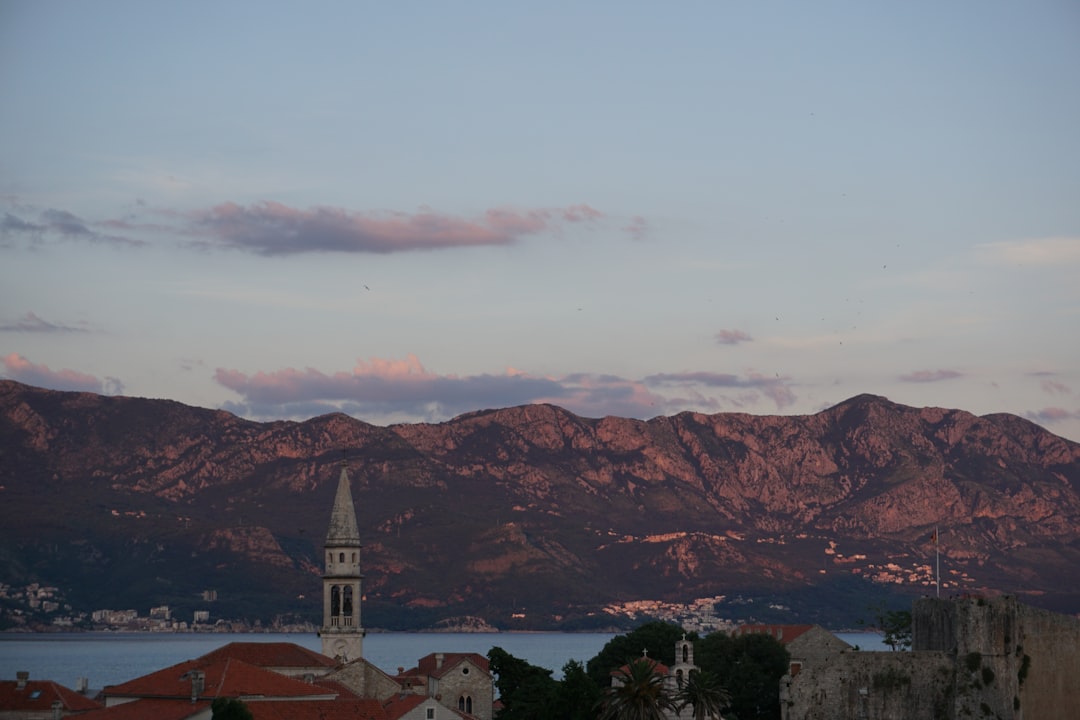
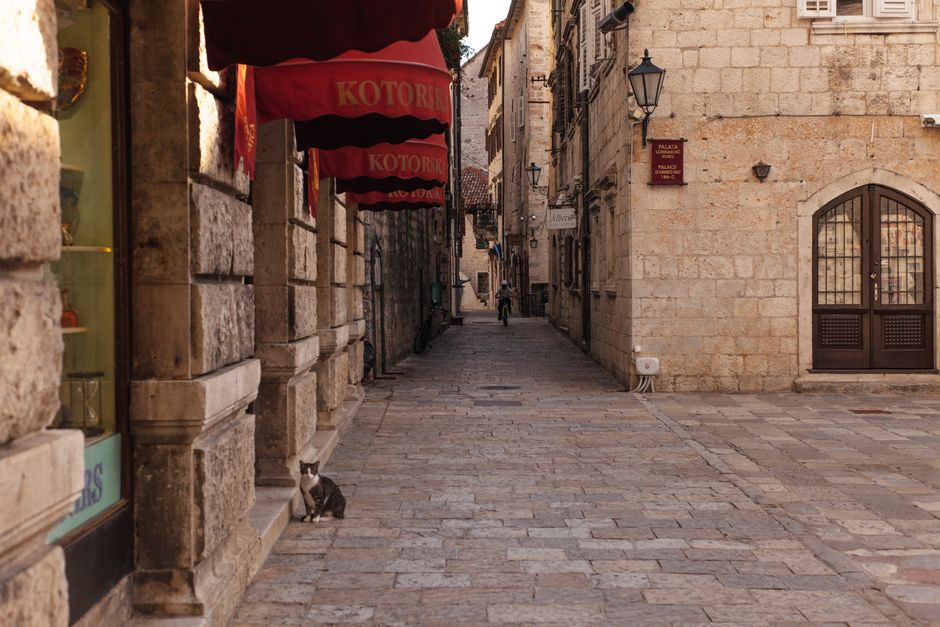
Kotor Old Town Walls — The walls surround the entire Old Town, stretching for over 4.5 kilometers and climbing 1,350 steps. It's not just a walk; it's a pilgrimage. You'll pass through several gates, including the Gate of St. Nicholas, and see cannons still pointing at the sea. The walls are a UNESCO World Heritage site and offer a physical connection to the town's defensive past. Bring water and good shoes. It's a workout, not a stroll.
Our Lady of the Rocks — A tiny island in the middle of the bay, built entirely by sailors throwing stones overboard for centuries. It houses a church and a museum of maritime artifacts. You can take a small boat from the harbor to visit. It's a surreal, man-made island that defies logic and stands as a testament to the piety and stubbornness of the seafaring people here. Entry to the museum is 5 EUR.
Maritime Museum Kotor — Located in the Old Town, this museum tells the story of the bay's naval history. You'll find ship models, maps, and artifacts from the Venetian, Austro-Hungarian, and Italian periods. It's a small museum, but it provides essential context for understanding why the fortifications exist. It's quiet, cool, and a perfect escape from the midday heat. Entry fee is 5 EUR.
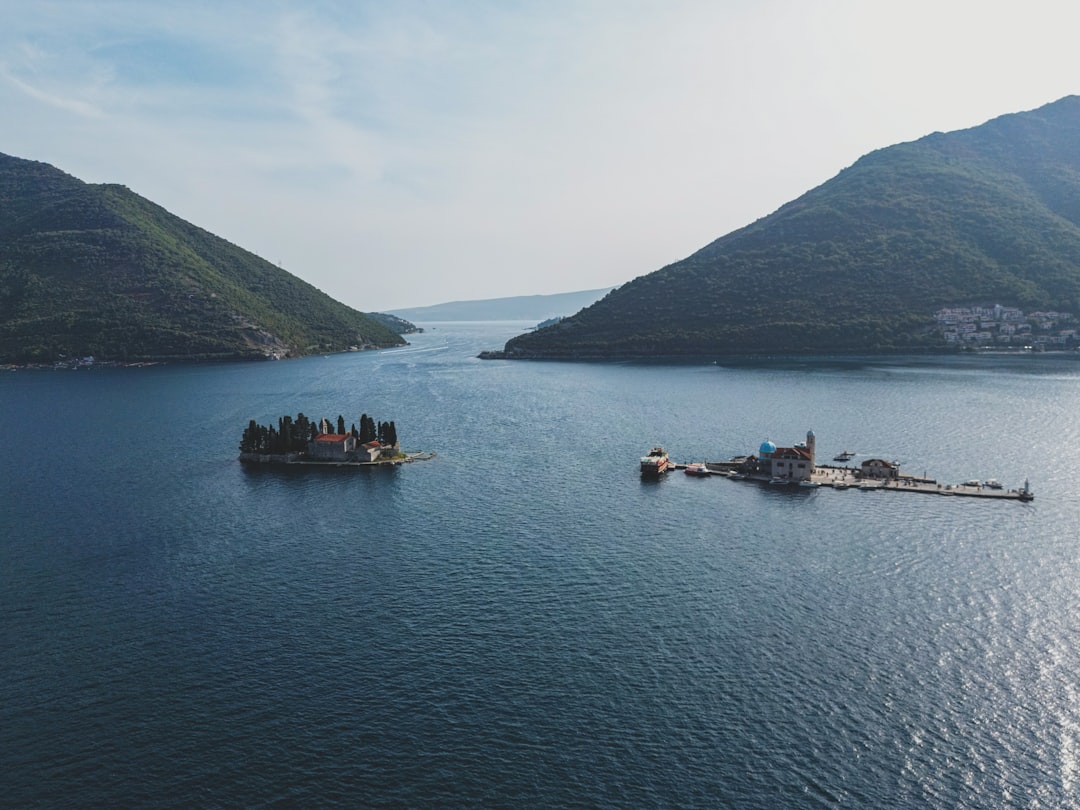
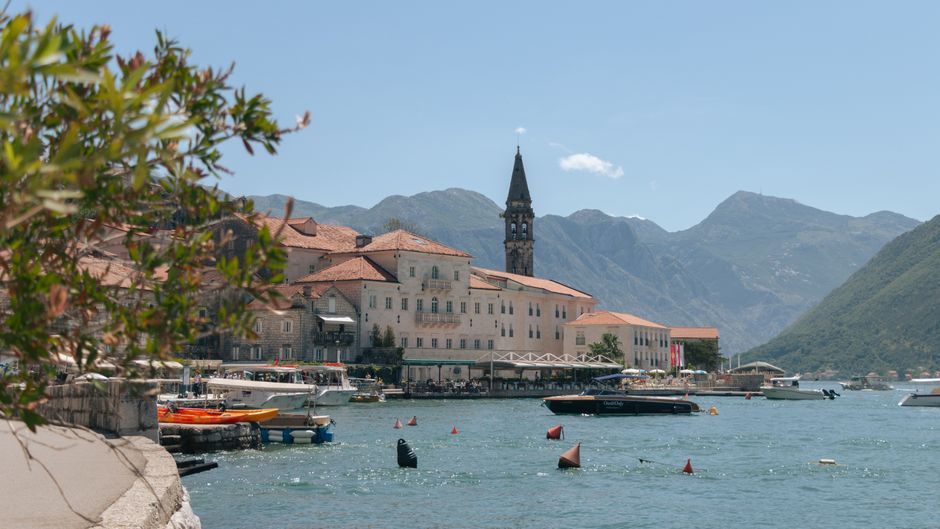
Perast Town — A short boat ride or drive from Kotor, Perast is a quieter, more elegant town on the northern shore of the bay. It's known for its baroque architecture, narrow streets, and the nearby Our Lady of the Rocks island. The town itself is a museum of 18th-century nobility, with palaces lining the waterfront. It's less crowded than Kotor and offers a more refined atmosphere. There's no entry fee to walk the streets, but boat tours to the island cost around 15-20 EUR.
What to Eat & Drink
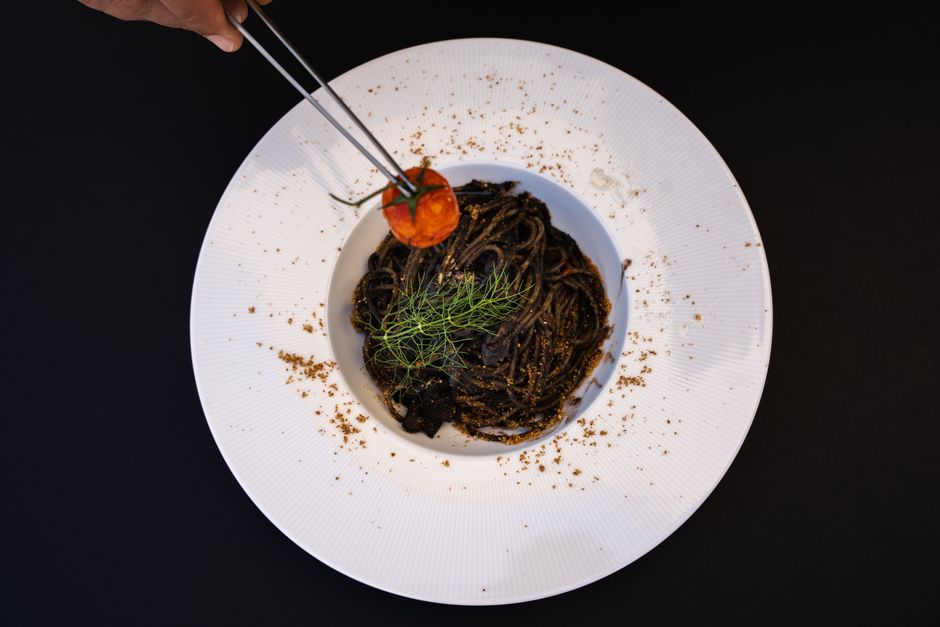
Crni Rižot (Black Risotto) — Made with squid ink, this dish is a local specialty. The rice is jet black, creamy, and packed with seafood flavor. It's a must-try when in Kotor. Price: 12-15 EUR.
Peka — Meat (usually lamb or goat) and vegetables cooked slowly under a metal bell covered in hot coals. It's tender, flavorful, and a true taste of Montenegrin tradition. Price: 15-18 EUR.
Pršut — Dried ham, similar to prosciutto. It's often served as an appetizer with cheese and bread. Price: 5-8 EUR.
Kajmak — A creamy, buttery dairy product, often served with bread or as a side dish. It's a staple in the region. Price: 2-3 EUR.
Montenegrin Wine — Try the local Vranac red or Žilavka white. They are robust and pair well with the heavy, flavorful food. A glass costs 3-5 EUR.
Budget breakdown: Street food or a simple meal at a local tavern (konoba) will cost you 8-12 EUR. A sit-down meal at a mid-range restaurant with a view of the bay will set you back 15-25 EUR. For the more adventurous, there are food courts and take-away options near the harbor, where you can grab a sandwich or a pastry for 3-5 EUR. The Stradun (main street) in Kotor is lined with cafes and restaurants, many of which offer outdoor seating with views of the bay. It's a great place to people-watch and enjoy a meal.
Nightlife
The nightlife in Kotor is concentrated in the Old Town, along the Stradun and the waterfront. It's not a party destination like Budva or Tivat, but it has a vibrant, social atmosphere. Bars and cafes stay open late, and the narrow streets fill with people enjoying drinks and conversation.
Bar Amfora — A popular bar with a rooftop terrace offering stunning views of the bay. It's a great place to start the evening with a cocktail and a sunset view. Cover charge: none, but drinks are pricey (5-8 EUR per cocktail).
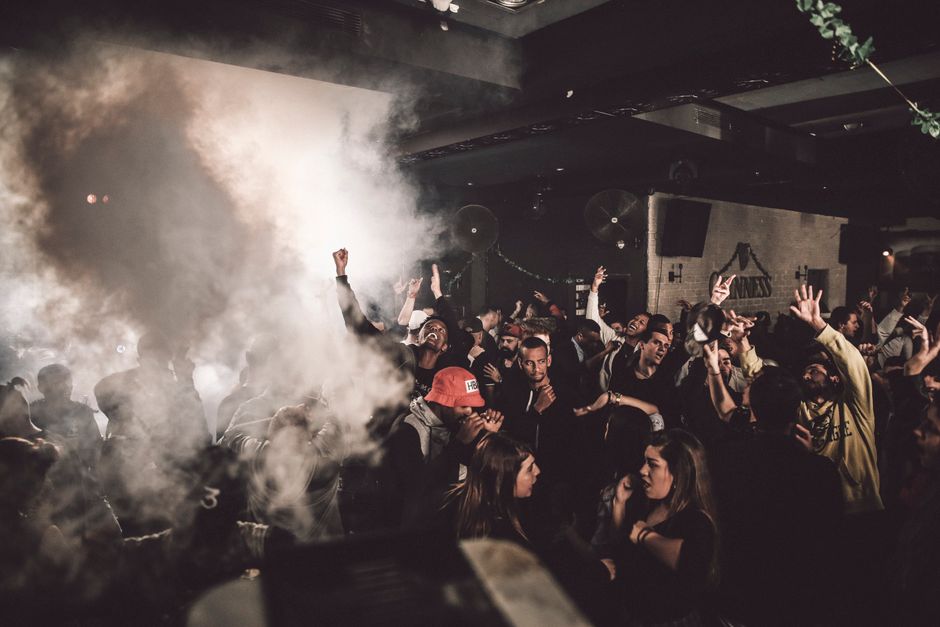
Club M — One of the few clubs in Kotor, located in the Old Town. It plays a mix of pop, dance, and local music. It's small and intimate, but it gets crowded on weekends. Cover charge: 5-10 EUR.
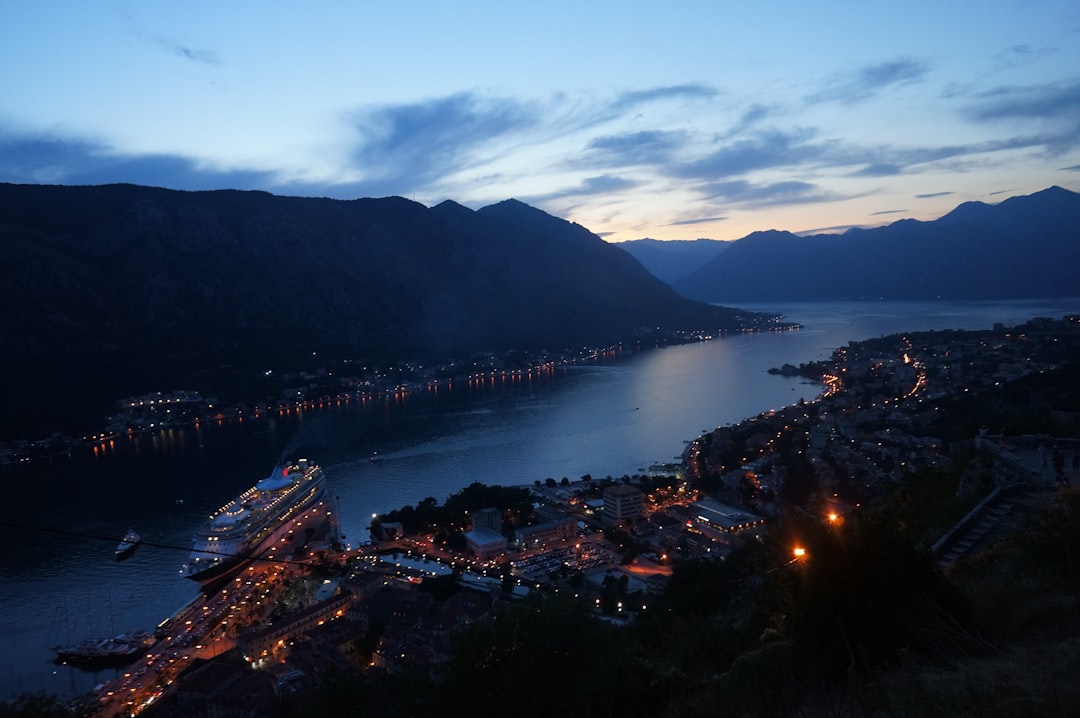
Café Bar Kotor — A laid-back spot near the harbor, perfect for a pre-dinner drink or a late-night chat. It has a relaxed vibe and a good selection of local wines. No cover charge.
Getting There & What to Expect
The nearest airport is Tivat Airport Tivat Airport, which is about 20 km from Kotor. You can take a taxi or a bus to the town. Taxis cost around 20-30 EUR, while buses are cheaper (3-5 EUR). There are also direct flights from many European cities to Tivat during the summer season.
From Podgorica Podgorica, the capital of Montenegro, you can take a bus or a car to Kotor. The drive takes about 1.5 to 2 hours, depending on traffic. Buses cost around 10-15 EUR and take about 2.5 hours.
Accommodation in Kotor ranges from budget hostels (20-40 EUR per night) to luxury hotels (100-300 EUR per night). Mid-range hotels and apartments cost around 50-80 EUR per night. It's best to book in advance, especially during the peak summer months (June to September).
The best time to visit Kotor is from April to June or September to October. The weather is mild, the crowds are smaller, and the prices are lower. July and August are hot and crowded, but the nightlife is at its peak.
Search accommodation in Kotor on Booking.com →
The Salt and the Stone
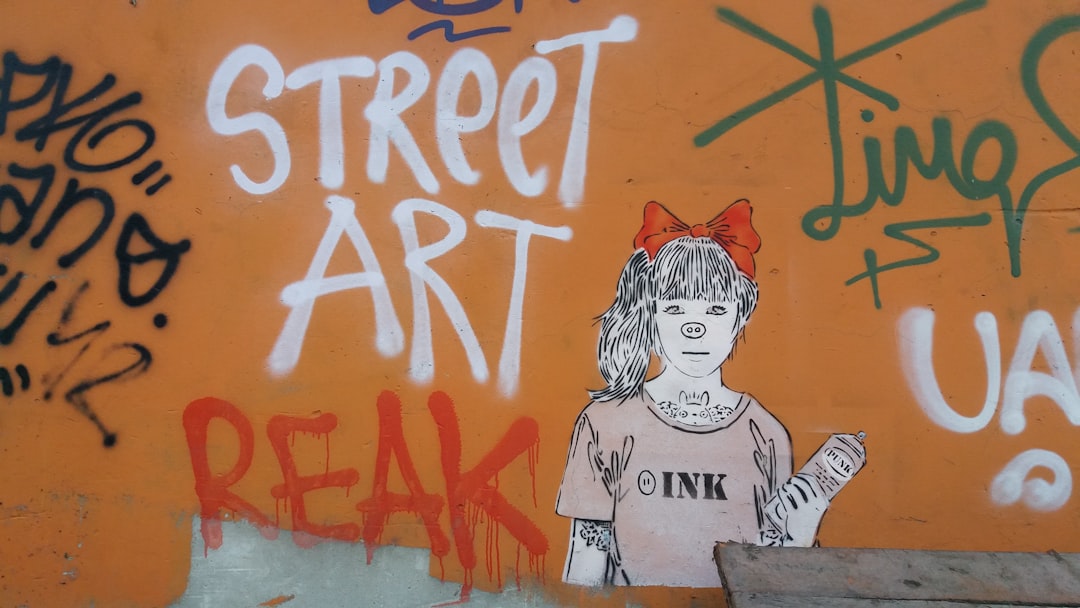
I'm back on the boat, the rain has stopped, and the stars are coming out over the black water. The engine hums, a low, steady vibration that feels like the heartbeat of the bay. We're heading back to the harbor, the cliffs looming above us like silent sentinels. I think about the centuries of war, the blood spilled on these stones, the lives lived in the shadow of the fortifications. It's heavy, but it's also beautiful. Kotor isn't just a place; it's a feeling. It's the taste of salt on your lips, the smell of old stone, and the knowledge that you're standing on ground that has seen it all. And somehow, that makes it more alive, not less. I'll be back. They all come back. The bay has a way of pulling you in, and once you're here, you never really leave.
Comments