


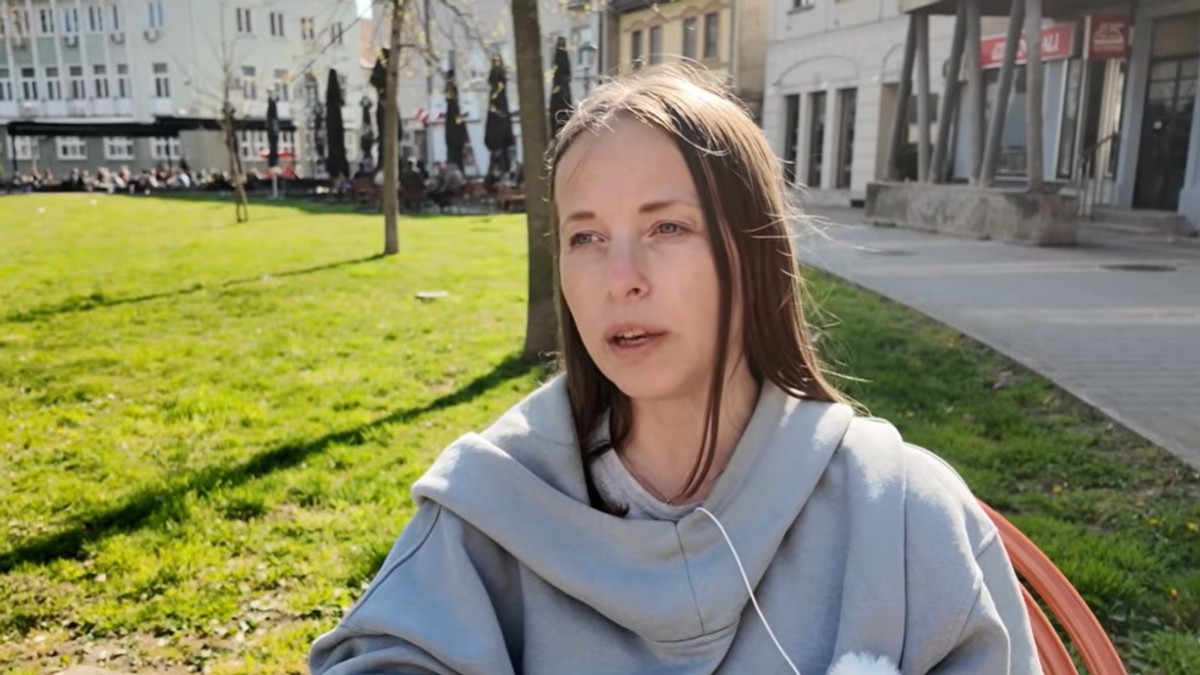
Moving to a new country always brings both challenges and opportunities, especially when the culture and way of life are vastly different from what one is used to. Ana, a Russian woman, has lived in Serbia for 17 years, sharing her unique experience.
From urban Belgrade to a small town, Ana's story reveals the true adaptation to a new environment, fitting into the local community, and living between two cultures. Ana told "Attic Life" that she felt at home quickly in Belgrade. The Serbian capital offers a sense of freedom, anonymity, and the ability to live as one wishes. However, when she moved to a smaller town, she realized how different life outside big cities can be.
In small Serbian towns, the community plays a crucial role. People rely on each other, family ties are strong, and social life is much more intensive compared to large cities. Ana explains that this has both good and bad sides.
Literature Helps Her Connect with Serbia
On one hand, the community's support is almost always there when needed. People know each other, follow each other's lives, and are ready to help. On the other hand, privacy is much less, and social expectations are higher. Traditional customs, family gatherings, and celebrations are not a matter of personal choice, but something that is assumed.
One of the most important things for fitting into a new environment, according to Ana, is the language. Speaking Serbian and trying to communicate with people in their language opens many doors.
Her knowledge of the language has deepened her connection with Serbia, as she works as a simultaneous translator and translates Serbian literature into Russian. Through literature, she has better understood the mindset, history, and emotions of the people among whom she lives.
However, the difference between living as a foreigner in Belgrade and in a small town is very significant. In big cities, people can easily blend into the crowd because the environment is more diverse and open. In smaller towns, every difference becomes noticeable, whether it's about pronunciation, physical appearance, or behavior. Ana believes it was a mistake to live in a big city, and smaller towns are much better for life.
Ana believes that Serbia is generally a pleasant country for foreigners, especially for those who respect local customs and want to integrate. However, she adds that people often have certain expectations of Russians, based on historical connections and stereotypes.
Russians are often expected to be close to the Orthodox Church, warm, open, and moral. Such expectations can be both pleasant and burdensome.
Relations Between Serbian and Russian Communities
Talking about the relations between Serbian and Russian communities, Ana observes that many newly arrived Russian immigrants sincerely try to...


Comments