


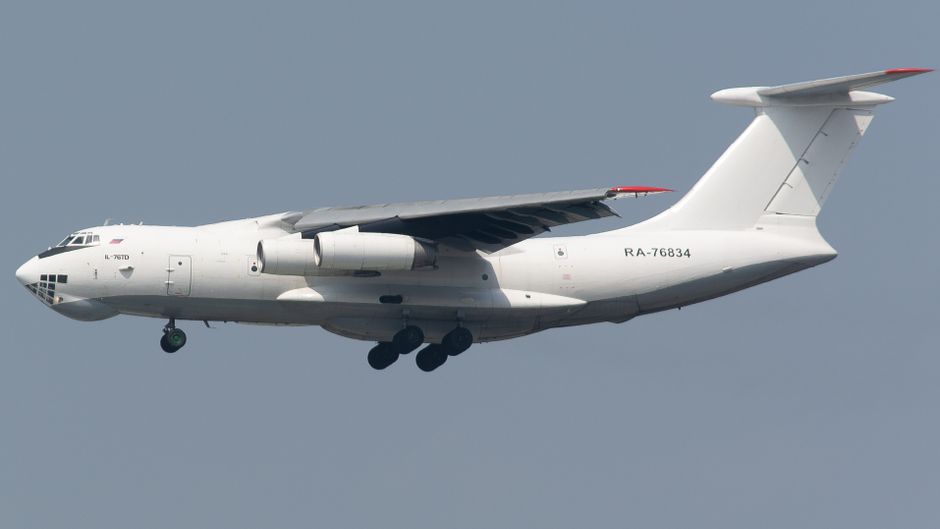
A Russian Il-18 maritime surveillance aircraft was detected violating Finnish airspace earlier this week, prompting immediate investigation by Helsinki authorities and raising fresh concerns about aerial intrusions in the Baltic region. The incident, confirmed by the Finnish Ministry of Defence, marks a significant escalation in cross-border military activity as tensions between NATO and Russia remain high. The aircraft, identified as a Tupolev Tu-141 or similar reconnaissance variant often misidentified in initial reports, flew near the Finnish border before being tracked entering sovereign airspace. This event has drawn attention not only in Finland but across the Balkans, where similar incidents have occurred near the Black Sea and Adriatic regions. For Balkan nations like Romania and Bulgaria, which host NATO infrastructure, such violations serve as a stark reminder of ongoing security challenges in Europe's eastern flank. The incident underscores the fragility of air defense protocols and the need for enhanced regional cooperation.
Aerial Intrusions and Regional Security Implications
The detection of the Russian Il-18 highlights the persistent pattern of aerial reconnaissance missions by Moscow near NATO borders. Finland, having joined NATO in 2023, now shares a 1,340-kilometer border with Russia, making it a focal point for such activities. According to Wikipedia, the Il-18 is a long-range turboprop aircraft often used for maritime patrol and electronic surveillance. Its presence over Finnish airspace suggests an intent to monitor NATO movements or test response capabilities. Similar incidents have been reported in the Balkans, particularly in Romanian and Bulgarian airspace, where Russian bombers have been tracked conducting flyovers. These activities are not merely symbolic; they represent a strategic effort to probe NATO's eastern defenses. The Balkan region, with its complex geopolitical landscape, remains vulnerable to such provocations, especially given the proximity to the Black Sea, a key area for Russian naval operations.
Expert analysis indicates that these intrusions are part of a broader strategy to normalize military presence near NATO borders. The Finnish government has initiated a formal investigation, emphasizing that such violations are unacceptable under international law. The incident has also sparked discussions within NATO about enhancing air policing missions in the region. For Balkan nations, the implications are clear: increased vigilance and coordinated defense mechanisms are essential. Countries like Romania and Bulgaria, which host U.S. and NATO assets, are likely to review their air defense protocols in light of this event. The Baltic Sea and the Black Sea are increasingly becoming arenas for aerial standoffs, with both NATO and Russian forces conducting frequent patrols. This trend underscores the need for a unified regional response to deter further violations.
Balkan Perspective: Lessons from the Eastern Flank
The detection of the Russian Il-18 over Finnish airspace resonates deeply in the Balkans, where similar incidents have tested national security frameworks. In recent years, Romanian and Bulgarian airspace have been breached by Russian military aircraft, including Tu-95 and Su-24 bombers. These events have prompted NATO to deploy additional air policing missions to the region, highlighting the interconnectedness of European security. The Balkans, with its history of geopolitical instability, remains a critical area for NATO's eastern flank defense. The incident in Finland serves as a cautionary tale for Balkan nations, emphasizing the importance of robust air defense systems and intelligence sharing. Countries like Croatia and Montenegro, which have recently joined NATO, are also likely to reassess their security strategies in light of these developments.
The Balkan region's strategic location makes it a key player in European security dynamics. The Black Sea, in particular, has become a hotspot for aerial and naval activity, with Russian forces frequently conducting exercises near NATO borders. The incident in Finland adds to this pattern, suggesting a coordinated effort to challenge NATO's presence in Europe. For Balkan audiences, the news is not just about a single aircraft violation; it is about the broader implications for regional stability. The ability to detect and respond to such intrusions is a testament to the effectiveness of NATO's collective defense mechanisms. However, it also highlights the ongoing need for investment in air defense technologies and training. The Balkan nations, with their diverse security challenges, must remain vigilant and cooperative to ensure the region's safety.
Looking Ahead: Strengthening Regional Defense
In the wake of the Finnish airspace violation, NATO is expected to enhance its air policing missions in the Baltic and Black Sea regions. This includes increased deployment of fighter jets and improved radar coverage to detect unauthorized flights. For Balkan nations, this means greater integration into NATO's defense architecture and more frequent joint exercises. The incident also underscores the importance of intelligence sharing among member states to anticipate and counter potential threats. As geopolitical tensions continue to evolve, the Balkans must remain a priority for NATO's eastern flank strategy. The detection of the Russian Il-18 is a reminder that security in Europe is interconnected, and threats in one region can have ripple effects across the continent. Balkan audiences should pay close attention to these developments, as they directly impact the region's stability and future security landscape.

The next few months will be critical in determining how NATO responds to these aerial intrusions. Enhanced surveillance, diplomatic pressure, and potential sanctions are all on the table. For Balkan nations, the focus will be on strengthening their own defense capabilities while maintaining close ties with NATO allies. The incident in Finland is not an isolated event but part of a broader pattern that requires a coordinated and proactive response. As the region navigates these challenges, the importance of unity and preparedness cannot be overstated. The Balkans, with its rich history and strategic significance, must remain at the forefront of Europe's security agenda. Readers are encouraged to stay informed about these developments, as they shape the future of European stability and Balkan security.



Comments