


A War of Words Before the Ball Was Served
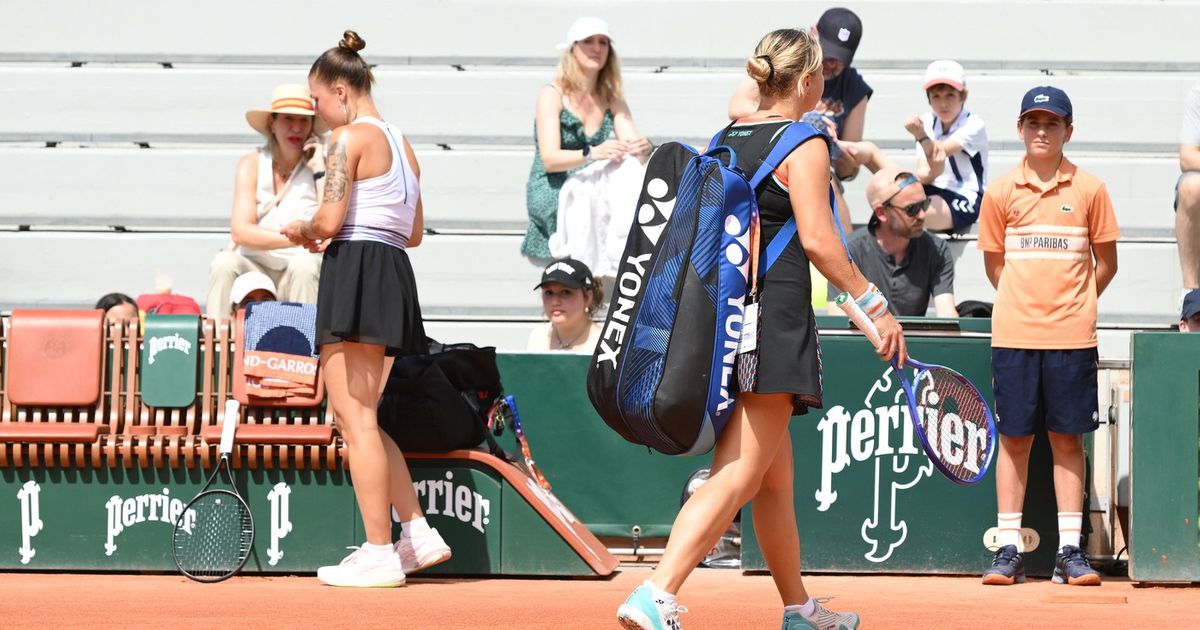
The atmosphere at Roland Garros was not just electric; it was toxic. Before a single serve was tossed, Oleksandra Oliynykova had already struck a blow, aiming not at the court but at the soul of her opponent. In a pre-match press conference, the Ukrainian star leveled brutal accusations against Russian Diana Shnaider, claiming her participation in a Russian tournament was akin to "playing for Nazis and Gestapo officers who built Auschwitz." Oliynykova even displayed her phone, showing photos and social media likes she deemed "Russian propaganda."
Shnaider, visibly hardened by the vitriol, channeled the anger into pure kinetic energy. She did not need words to answer; she answered with power. Every point, especially every break of serve, was punctuated by fierce roars that echoed across the clay. This was not just tennis; it was a statement.
The Serbian Mastermind and the Father’s Plea
While the political stakes were high, the tactical battle was won by a Serbian mind. Sasa Bajin, Shnaider’s coach, was a constant presence in the broadcast frame, feeding strategic advice that clearly took root. On the other side, Oliynykova’s father, a soldier currently serving in the war zone, had traveled to Paris to support his daughter. During the changeover, he sat courtside, delivering nearly five minutes of urgent counsel while Shnaider retreated to the locker room.
But the advice could not stop the tide. Shnaider dismantled the resistance in the second set, winning 6-1. The final score, 7-5, 6-1, was a mirror of the match’s emotional arc: a tight, tense struggle followed by a decisive, crushing dominance.
Victory Without a Handshake
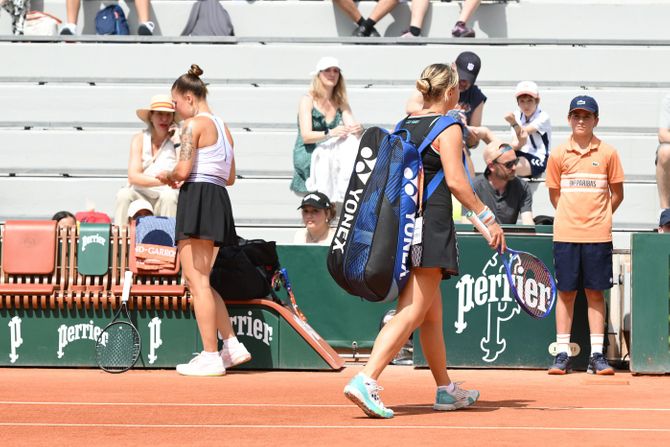
When the final point landed, there was no grace, only the cold reality of defeat. Oliynykova refused to approach the net for the customary handshake before the line judge’s error, and she offered no hand at the finish. Instead, she lingered on the court, posing for photos and signing autographs for fans, acting as if the victory were hers. Shnaider celebrated with the ferocity of a warrior who had survived the storm. In the end, the clay of Paris bore witness to a match where politics and sport collided, and one player emerged not just as a winner, but as a survivor.

fenerbahce were miles better this season tbh. honestly didn't see that coming lol. Shnaider just different class rn...