


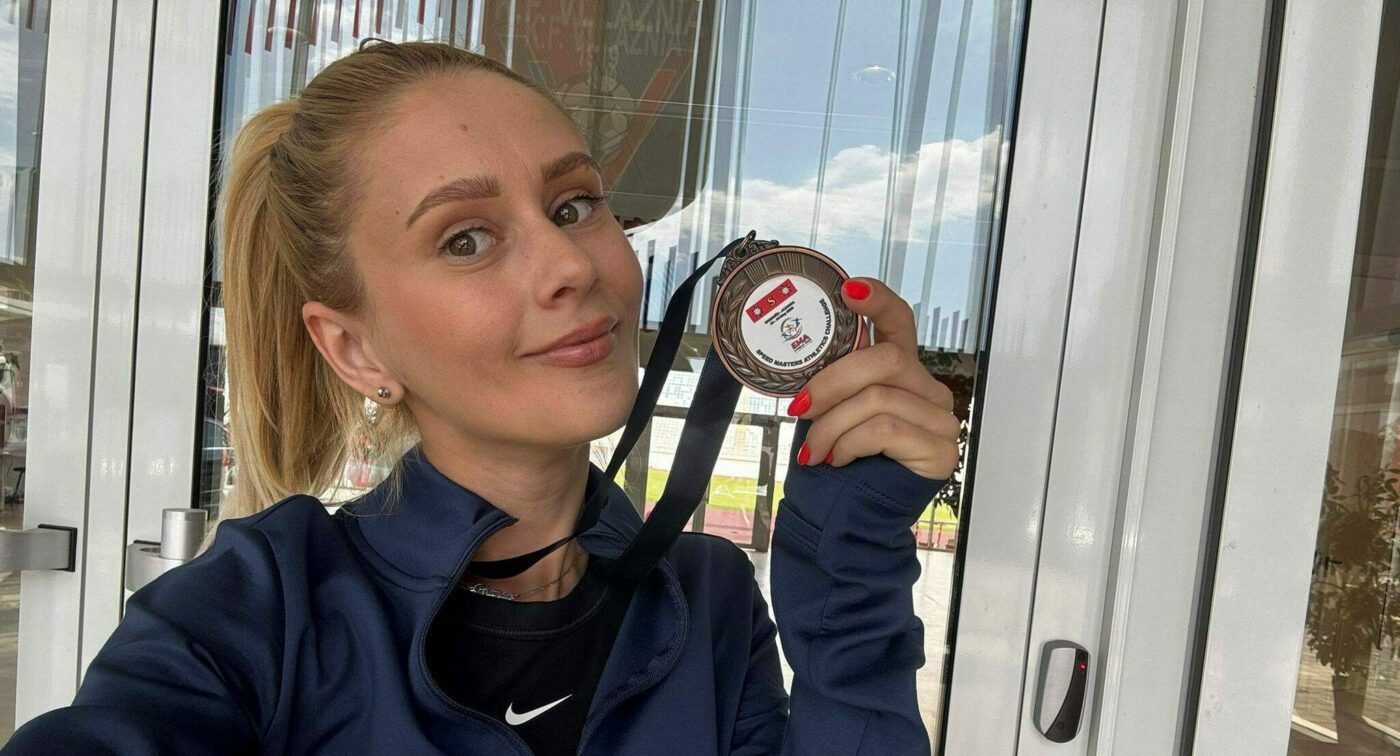
The Lone Wolf of Eșelnița
Can you conquer the track without a club, a coach, or a proper stadium? For most, the answer is a hard no. But for Bianca Trușcheci, a 31-year-old runner from the rugged hills of Mehedinți County, the rules don’t apply. In a Romanian athletics scene that has been crawling since the glory days of Gabriela Szabo, Trușcheci is a glitch in the matrix. No federation registration. No expensive training camps. Just raw grit, a supportive father, and the steep slopes of her hometown, Eșelnița.
While the national team hasn’t tasted Olympic gold since Constantina Diță won marathon glory in Beijing 2008, this local heroine just stormed the podium abroad. At the Speed Masters Athletics Challenge in Albania, she didn’t just show up—she dominated. Gold in the 400 meters. Bronze in the 100 meters. All while training on dirt paths and the communal track of her village, far from the polished ovals of Bucharest.
Father, Son, and the Track
Her secret weapon? Ilaru Trușcheci, her 61-year-old father. A former footballer turned amateur athlete, Ilaru isn’t just her mentor; he’s her training partner. Together, they run the hills along the Danube Gorge and the Cerna Valley. When they need flat ground, they head to Bucharest. Ilaru, still competitive, recently won a relay gold for Romania at the Balkaniad in Slovenia and took silver in long jump in Albania. He is the proof that age is just a number, and passion is the only currency that matters.
Trușcheci’s message is a slap in the face to the bureaucratic machine of modern sports. She argues that clubs often drain athletes’ wallets without delivering results unless you’re already a global star. “If you aren’t in the books for the Olympics or World Championships, the club won’t help you,” she says. For her, success isn’t about affiliation. It’s about showing up, day after day, when no one is watching. In a sport dying on its feet, she is breathing life into the very soul of athletics.

fenerbahce were miles better this season tbh. honestly didn't see that coming lol. not convinced they can keep this up but we'll see...