



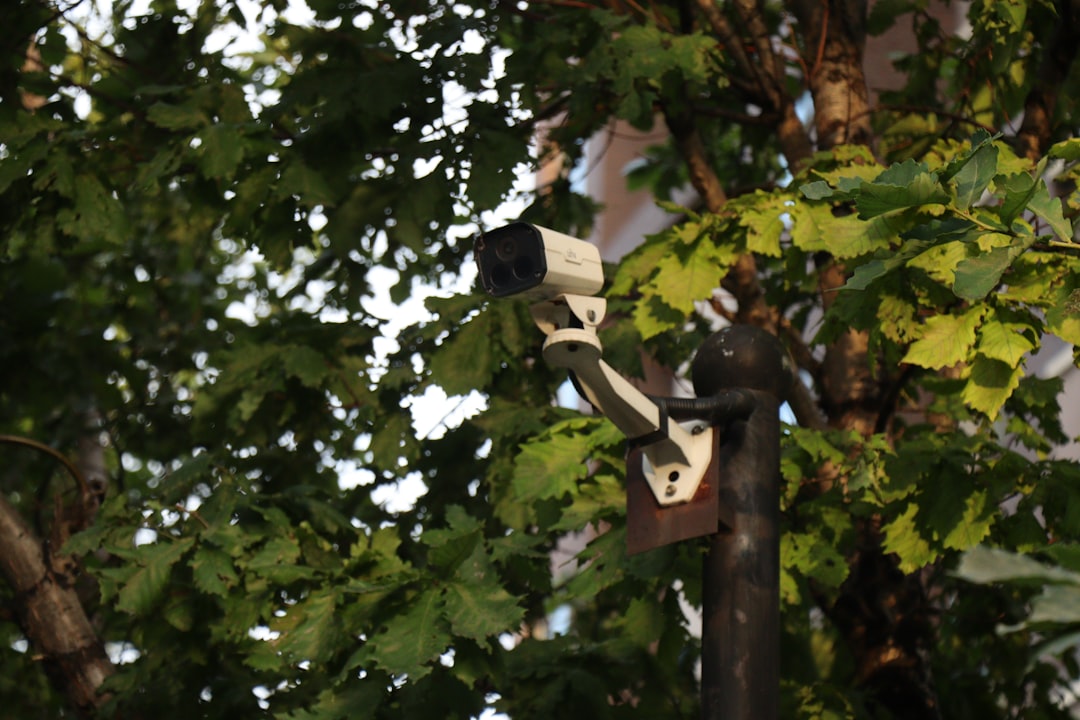
The Ministry of Environment, Waters and Forests in Romania has initiated criminal proceedings following the deliberate destruction of surveillance equipment installed to monitor protected natural areas. The government body filed a formal complaint with law enforcement authorities after vandals targeted cameras that are part of a critical monitoring system designed to prevent illegal logging, poaching, and other environmental crimes. This incident highlights the ongoing challenges faced by Balkan nations in enforcing environmental protection laws despite increasing technological investments. The ministry stated that the damaged devices were essential for real-time oversight of sensitive ecosystems, and their destruction severely hampers ongoing conservation efforts.
The vandalism occurred in a remote region where illegal activities have historically been difficult to track. Authorities are now investigating the incident as a serious offense against state property and environmental protection infrastructure. The move by the ministry signals a tougher stance on those who seek to undermine regulatory oversight. In the Balkans, where deforestation and wildlife trafficking remain persistent issues, such attacks on monitoring systems are not isolated events. They represent a direct challenge to the rule of law and the sustainability goals set by both national governments and the European Union.
Context of Environmental Monitoring in Romania
Romania has made significant strides in recent years to combat illegal deforestation, which has been a major concern in the Carpathian Mountains. The government has deployed thousands of cameras and sensors across protected areas to detect unauthorized logging operations. These systems allow rangers and police to respond quickly to violations, often preventing large-scale damage to forests that are vital for biodiversity and carbon sequestration. The deforestation crisis in Romania has drawn international attention, with environmental groups praising the new monitoring initiatives but warning that enforcement remains inconsistent.
The surveillance network is part of a broader strategy to align Romania’s environmental policies with EU standards. As a member of the European Union, Romania is required to protect its natural habitats under the Habitats Directive and other regulations. The destroyed cameras were not just security devices but legal tools that provide evidence for prosecutions. Without this digital oversight, illegal loggers and poachers can operate with greater impunity, knowing that the eyes watching over the forests are blind. The ministry’s decision to pursue criminal charges underscores the legal weight placed on these technological assets.
Significance of the Criminal Complaint
Filing a criminal complaint is a significant step that elevates the incident from a simple property damage case to a matter of national security and environmental integrity. The ministry is likely seeking to send a deterrent message to organized groups that may be behind the vandalism. By treating the destruction of monitoring equipment as a serious crime, authorities aim to discourage future attacks and protect the integrity of their data collection efforts. This approach mirrors similar measures taken in other Balkan countries, such as Bulgaria and Serbia, where environmental crimes are increasingly being prosecuted with greater severity.
The legal ramifications of the complaint could lead to stricter penalties for those convicted of damaging environmental infrastructure. In Romania, laws regarding environmental protection have been tightened in recent years, with heavier fines and prison sentences for repeat offenders. The ministry’s action also opens the door for potential civil lawsuits against entities that may benefit from the lack of oversight. This multi-faceted legal strategy reflects a growing recognition that environmental protection requires not just technology but robust legal frameworks to support it. The outcome of this case could set a precedent for how similar incidents are handled in the future.
Balkan Angle and Regional Impact
The incident in Romania resonates across the Balkans, where environmental protection is a shared challenge. Countries like Greece, Bulgaria, and Serbia face similar issues with illegal logging and wildlife trafficking, often driven by organized crime networks that exploit weak enforcement. The destruction of surveillance cameras in Romania serves as a cautionary tale for neighboring nations that are also investing in digital monitoring solutions. Regional cooperation is essential to combat these transnational crimes, as offenders often operate across borders to evade detection and prosecution.
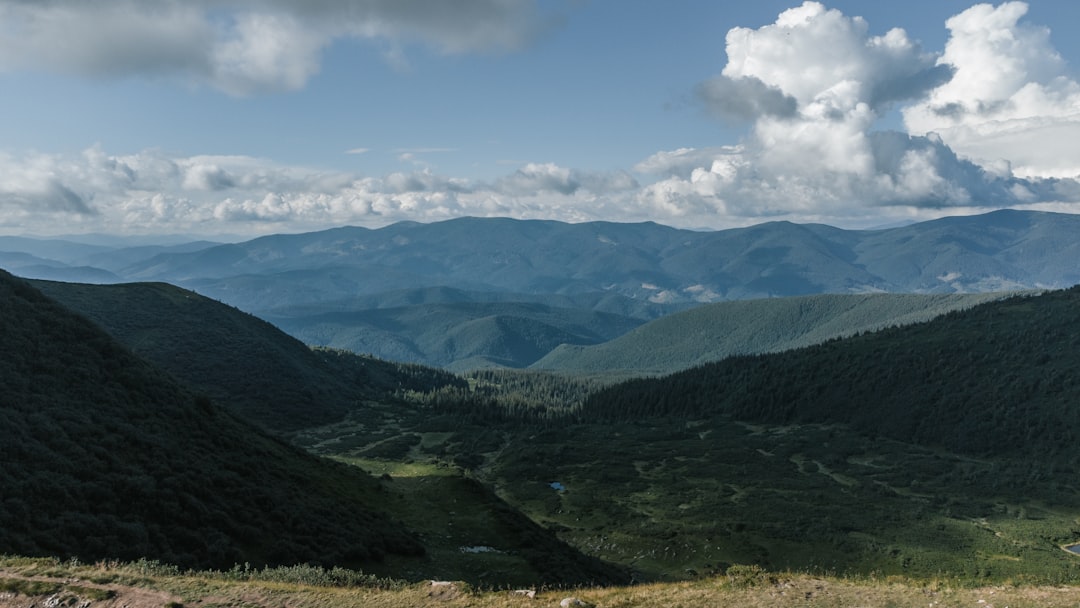
Environmental NGOs in the Balkans have welcomed the ministry’s decisive action, viewing it as a necessary step to protect the region’s natural heritage. However, they also emphasize that technology alone is not enough. Effective enforcement requires adequate staffing, training, and resources for rangers and police units. The Carpathian Mountains, which span Romania, Bulgaria, Serbia, and other Balkan states, are a biodiversity hotspot that needs coordinated protection. The vandalism incident highlights the need for stronger regional alliances and shared intelligence to safeguard these critical ecosystems. Balkan audiences care deeply about this issue because it affects not only the environment but also public health, tourism, and sustainable economic development.
What to Watch For Next
In the coming months, the focus will be on the progress of the criminal investigation and the eventual legal proceedings. Observers will be watching to see if the authorities can identify and prosecute those responsible for the vandalism. The outcome of this case will likely influence how other environmental incidents are handled in Romania and the wider Balkans. If the perpetrators are brought to justice, it could serve as a powerful deterrent against future attacks on environmental infrastructure.
Additionally, the ministry may announce upgrades to its surveillance systems to make them more resilient to vandalism. This could include more robust hardware, better concealment techniques, or advanced AI-driven analytics that can detect threats in real-time. The government may also increase funding for ranger units and environmental police to ensure that the technology is backed by sufficient human resources. For readers, this story is a reminder of the ongoing struggle to protect natural resources in the face of illegal exploitation. It underscores the importance of vigilance, legal accountability, and regional cooperation in safeguarding the Balkans’ environmental future.



Comments