



The first official extreme heat wave of the season has struck Romania, marking a significant and potentially dangerous shift in the country's early summer weather patterns. The National Meteorological Administration (ANM) has issued yellow and orange warnings for multiple counties, signaling that temperatures are expected to climb well above seasonal averages. This early onset of intense heat is not merely a seasonal curiosity; it raises serious concerns regarding public health, energy infrastructure stability, and agricultural resilience across the Balkans. For a region already grappling with the long-term effects of climate change, this early warning serves as a stark reminder of the increasing volatility of European weather systems.
Record-Breaking Temperatures and Official Warnings
The National Meteorological Administration has confirmed that the first episode of extreme heat will affect a large portion of the country, with the most severe conditions expected along the Black Sea coast and in the southern plains. Meteorologists predict maximum temperatures could reach 35 to 37 degrees Celsius in many areas, with localized peaks potentially exceeding 38 degrees Celsius. These figures are significantly higher than the historical averages for this time of year, which typically hover around 25 to 28 degrees Celsius. The warnings are in place to alert authorities and citizens to the heightened risk of heat stress, dehydration, and exacerbation of cardiovascular and respiratory conditions.
The heat wave is being driven by a high-pressure system that has settled over Southeastern Europe, trapping warm air masses and preventing cooler fronts from moving in. This meteorological pattern is increasingly common in recent years, leading to longer and more intense periods of summer-like weather. The Black Sea coast, a major tourist destination for Romanians and international visitors alike, is expected to see the most dramatic temperature spikes. Coastal cities such as Constanta, Mangalia, and Eforie Nord will likely experience humid, oppressive conditions that amplify the perceived heat, making outdoor activities increasingly uncomfortable and potentially hazardous during peak afternoon hours.

Impact on Public Health and Energy Infrastructure
The immediate impact of this extreme heat wave is felt most acutely in public health and energy consumption. Hospitals across the affected regions are preparing for a potential surge in heat-related illnesses, particularly among vulnerable populations such as the elderly, young children, and individuals with pre-existing health conditions. Health authorities are urging citizens to stay hydrated, avoid direct sun exposure during the hottest parts of the day, and check on neighbors who may be at risk. The combination of high temperatures and humidity can lead to a rapid increase in the "feels like" temperature, placing additional strain on the human body's cooling mechanisms.
Simultaneously, the surge in temperatures is driving a sharp increase in electricity demand as households and businesses turn to air conditioning and cooling systems. This spike in consumption puts significant pressure on the national grid, raising the possibility of localized power outages or voltage fluctuations. Energy providers are closely monitoring load levels and may implement emergency protocols to ensure grid stability. For many Romanians, the cost of cooling their homes during this unexpected heat wave adds to the financial burden already felt from rising energy prices. The interplay between extreme weather and energy security is a critical issue that underscores the need for more resilient infrastructure and efficient energy management strategies.

A Broader Balkan Context and Climate Concerns
While Romania is in the spotlight for its first extreme heat wave, this phenomenon is part of a broader regional trend affecting the entire Balkan Peninsula. Countries such as Bulgaria, Serbia, Greece, and North Macedonia are also experiencing above-average temperatures and are likely to face similar heat warnings in the coming weeks. The Balkans have become a focal point for climate change impacts in Europe, with summers growing longer, hotter, and drier. This regional synchronization of extreme weather events highlights the shared challenges faced by Balkan nations in adapting to a changing climate.
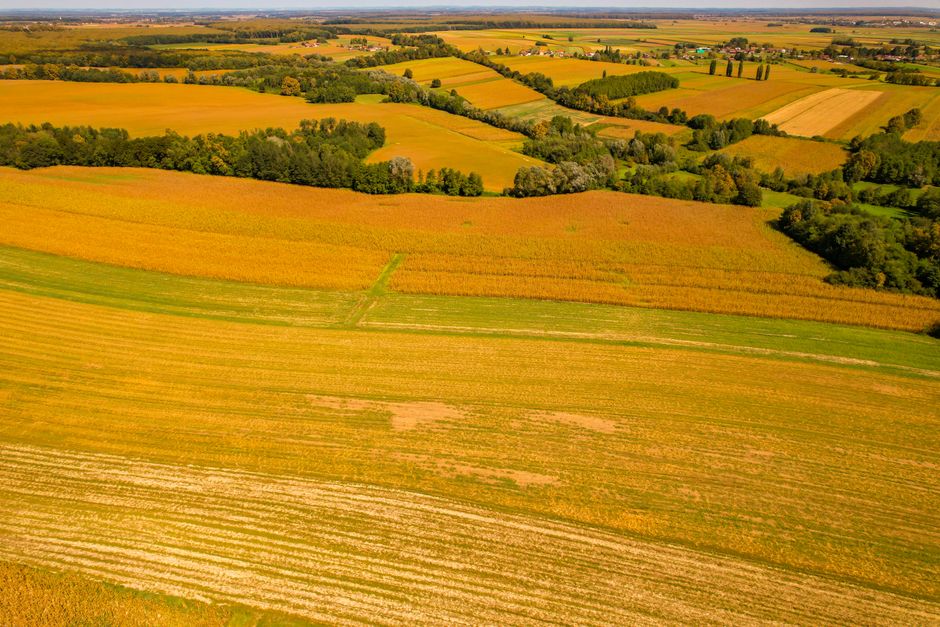
The agricultural sector is particularly vulnerable to these early heat waves. Crops that require specific temperature ranges during their growth phases may suffer from heat stress, leading to reduced yields and lower quality produce. Farmers in the fertile plains of Romania and Bulgaria are closely monitoring soil moisture levels and may need to adjust irrigation practices to mitigate the effects of the heat. The long-term implications for food security and agricultural livelihoods are significant, prompting calls for greater investment in climate-resilient farming techniques and water management infrastructure. As the region grapples with the realities of a warming planet, the first extreme heat wave of the season serves as a critical indicator of the challenges ahead.
As the heat wave unfolds, residents across Romania and the wider Balkans are advised to stay informed through official meteorological updates and adhere to safety guidelines issued by health and emergency services. The coming days will be critical in determining the full impact of this extreme weather event on public health, energy systems, and agricultural output. This early onset of intense heat underscores the urgent need for continued monitoring, adaptive planning, and regional cooperation to address the growing threat of extreme weather in Southeastern Europe. Citizens should remain vigilant, prepare for potential disruptions, and support community efforts to ensure the safety and well-being of all during this challenging period.



Comments