


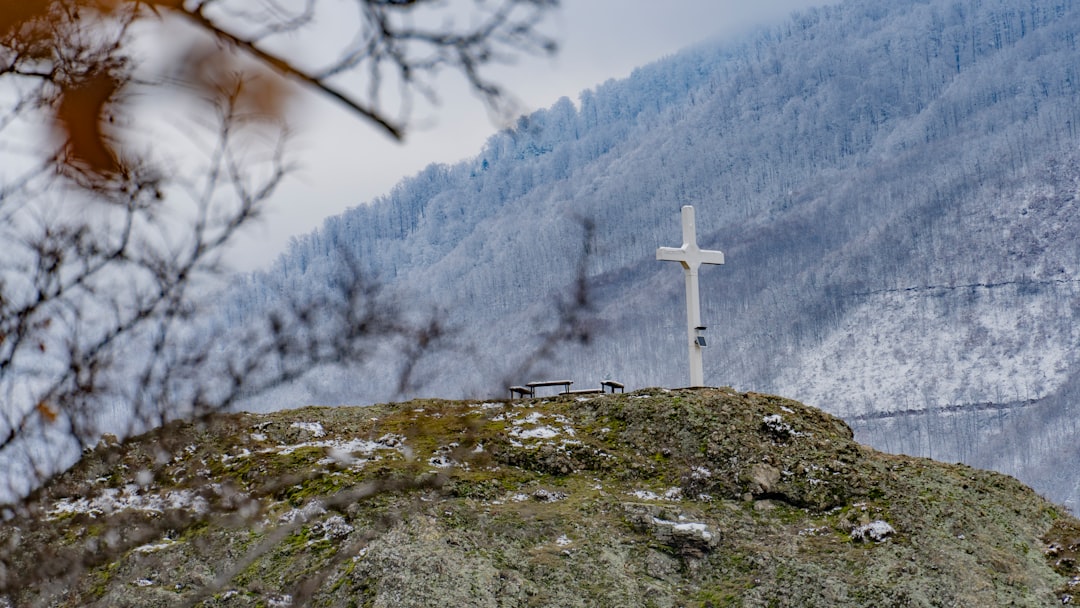
The wind in the Rila Mountains doesn't just blow; it hunts. I was standing near the edge of the Seven Rila Lakes, my fingers numb inside gloves that suddenly felt like paper, watching a tourist in a bright pink down jacket try to photograph a frozen waterfall. She slipped, slid three meters on the black ice, and laughed it off like it was a theme park ride. I wasn't laughing. The temperature was sitting at minus twelve Celsius, and the sun was a pale, mocking coin behind a bank of gray cloud. This isn't a postcard. This is a high-altitude survival course disguised as a national park, and if you come here in January without the right gear and the right head, the mountains will eat you alive. I've walked these trails in July when the air smelled of pine resin and wild thyme, but winter turns Rila National Park into a different beast entirely — brutal, silent, and fiercely beautiful.
Most people think of Bulgaria as a summer destination, all sun-baked beaches and cheap beer. They forget that just a couple of hours from Sofia, you have some of the most dramatic alpine terrain in the Balkans. Winter here is short, sharp, and unforgiving. The roads close. The shelters empty out. The silence becomes absolute. But for those willing to brave the cold, the reward is a landscape stripped bare, where every rock, every frozen lake, and every snow-laden pine stands out in high contrast against the white. This is the real deal. No crowds. No noise. Just you, the cold, and the ancient spine of the Balkans.
The Frozen Crown of Bulgaria
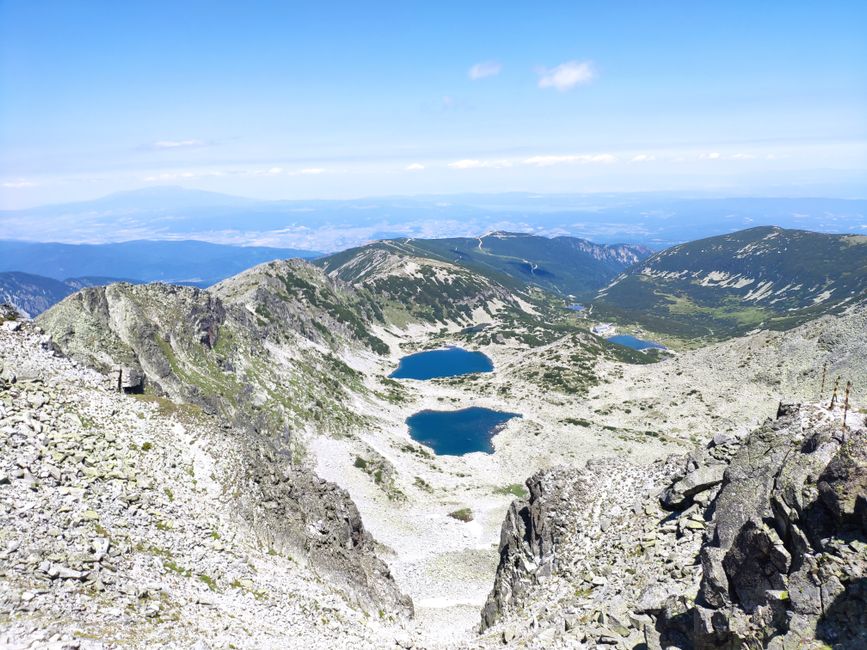
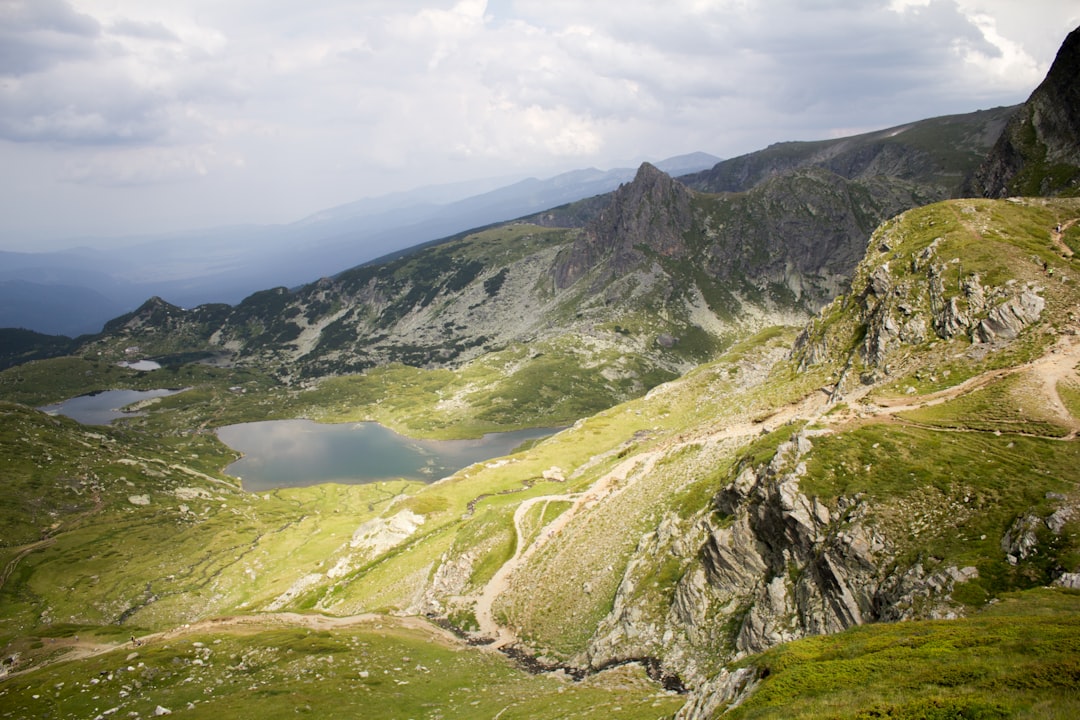
The Seven Rila Lakes are the crown jewel of the park, and in winter, they transform from emerald mirrors into a surreal landscape of ice and stone. The upper lakes freeze solid, often with dramatic ice formations that look like sculptures carved by giants. The lower lakes might still have open water, but the edges are thick with ice. Walking between them in winter is a serious undertaking. The trails are often covered in snow, and the paths can be obscured entirely. You need microspikes, not just good boots. I watched a group of hikers from Sofia struggle up the path to the second lake, their breath pluming in the air, each step a negotiation with the slope. But when you reach the shore of the Lower Lake and see the ice reflecting the jagged peaks of the Musala, it's worth every frozen toe. The silence is profound. There are no birds. No wind in the trees. Just the creak of ice and the crunch of snow underfoot.
But the lakes are just one part of the story. The park is vast, covering over 800 square kilometers of mountain terrain. In winter, the accessible areas shrink dramatically. The roads to the higher villages close, and the only way in is by foot or snowshoe. The Banya River valley, which is lush and green in summer, becomes a frozen corridor, with ice forming on the rocks and the water running slow and dark. The Ibar Peak, one of the highest points in the park, is a technical climb in winter, requiring crampons and ice axes. It's not for the faint of heart. But for those who make it to the top, the view is unparalleled. You can see all the way to the Pirin Mountains on a clear day, and the entire Sofia basin stretches out below you like a map.
The history of the park is tied to its harshness. For centuries, the Rila Mountains were a refuge for hermits and monks, who built monasteries in the remote valleys. The Rila Monastery, though technically outside the park boundaries, is the spiritual heart of the region. It's a UNESCO World Heritage site, and in winter, it's a stark contrast to the wildness of the mountains. The monastery is warm, with hot tea and local bread, and the monks are welcoming. But it's a reminder of the human presence in this wild place, and the long history of people trying to survive and find meaning in the cold.
Gear Up or Freeze Out
Let's be clear: you cannot walk the Rila National Park in winter with a weekend bag and a sense of adventure. You need proper gear. The cold is not just a discomfort; it's a hazard. Hypothermia and frostbite are real risks, and they can set in quickly if you're not prepared. Here's what you need:
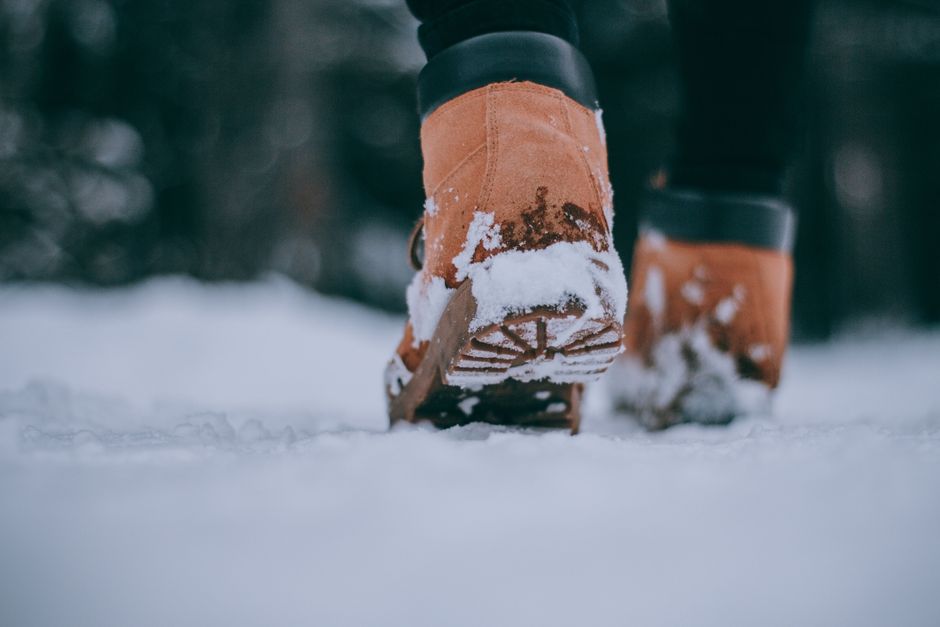
Footwear: Waterproof, insulated hiking boots with a stiff sole. Microspikes are essential for any trail with ice or snow. Crampons are needed for steep, icy sections, especially near the lakes and peaks. Clothing: Layering is key. A moisture-wicking base layer, an insulating mid-layer (fleece or down), and a waterproof, windproof outer shell. Thermal underwear is mandatory. Gloves, a hat, and a neck gaiter are non-negotiable. Other Gear: Trekking poles with snow baskets, a headlamp (days are short), a first-aid kit, and plenty of food and water. Water freezes, so use insulated bottles or keep water close to your body. A map and compass are essential, as GPS can fail in extreme cold.
I've seen people try to hike in sneakers and sweatpants. They don't last an hour. The snow gets into their shoes, their feet get wet, and within minutes, they're cold, miserable, and in danger. Don't be that person. Rent gear if you have to. There are shops in Samokov and Rila that sell and rent winter hiking equipment. It's cheaper than an emergency rescue, and it's a lot more comfortable. The cost of a good pair of insulated boots is 100-150 EUR, but they'll last you for years. Microspikes are around 30-50 EUR. It's an investment in your safety and enjoyment.
Routes & Trail Info
Winter hiking in Rila National Park is limited to a few specific routes. Most trails are closed or unsafe. Here are the main options:
Seven Rila Lakes Loop: This is the most popular route, but in winter, it's a serious trek. The trail starts at the Seven Rila Lakes parking area, which is accessible by car until late autumn, but in winter, you may need to start from a lower point and hike up. The loop is about 12 kilometers round-trip, with an elevation gain of 600 meters. It takes 6-8 hours in winter, depending on conditions. Difficulty: Experienced. You need good fitness, proper gear, and experience with snow and ice. The trail is not marked well in winter, so a map and compass are essential.
Banya River Valley Walk: This is a shorter, easier route, suitable for beginners with proper gear. The trail follows the Banya River from the village of Banya to the Rila Monastery. It's about 10 kilometers round-trip, with minimal elevation gain. It takes 3-4 hours. The trail is well-marked and easy to follow, even in snow. Difficulty: Beginner/Intermediate. This is a good option for families with older children, or for those who want to experience the winter landscape without a serious trek.
Ibar Peak Ascent: This is a technical climb, suitable only for experienced mountaineers with winter climbing skills. The route starts at the Ibar Peak trailhead, which is accessible by car until late autumn. The ascent is about 5 kilometers one-way, with an elevation gain of 800 meters. It takes 4-6 hours one-way. Difficulty: Experienced. You need crampons, an ice axe, and knowledge of self-arrest. This is not a hike; it's a climb. Do not attempt it unless you are qualified.
Getting There & What to Expect
The nearest town with road access to the park is Samokov, a mountain town about 80 kilometers from Sofia. It takes about 1.5 hours by car. Buses run regularly from Sofia to Samokov, costing about 3-5 EUR and taking 1.5-2 hours. From Samokov, you can take a local bus or taxi to the trailheads. Taxis are expensive, around 20-30 EUR one-way, so carpooling is recommended. If you're driving, make sure your car has winter tires and chains. The roads can be icy and slippery, and accidents are common.
Accommodation in the park is limited in winter. The mountain refuges are closed, so you need to stay in Samokov, Rila, or Banya. Budget hostels in Samokov cost around 15-25 EUR per night, while mid-range hotels are 40-60 EUR per night. Meals are basic but hearty. A typical meal in a local restaurant is 8-12 EUR, and you can find cheaper options like bread and cheese for 2-4 EUR. Take-away options are limited, so plan your meals carefully. Children can do the easier trails, like the Banya River Valley Walk, from age 10 or so, but they need proper gear and supervision. The cold is no joke for kids.
Search accommodation in Samokov on Booking.com →
The Last Word: Respect the Mountain
I stood on the shore of the Upper Lake as the sun began to set, casting long shadows across the ice. The cold was biting, but the beauty was undeniable. It was a stark, raw beauty, unlike anything I'd seen in the summer. The mountains don't care about you. They don't care if you're cold, or tired, or afraid. They just are. And that's what makes them so compelling. Winter in Rila National Park is not for everyone. It's hard, it's dangerous, and it's unforgiving. But for those who are prepared, who respect the mountain and the cold, it's an experience that will stay with you forever. Just don't come unprepared. The mountains will remind you, quickly and painfully, who is in charge.
Comments