


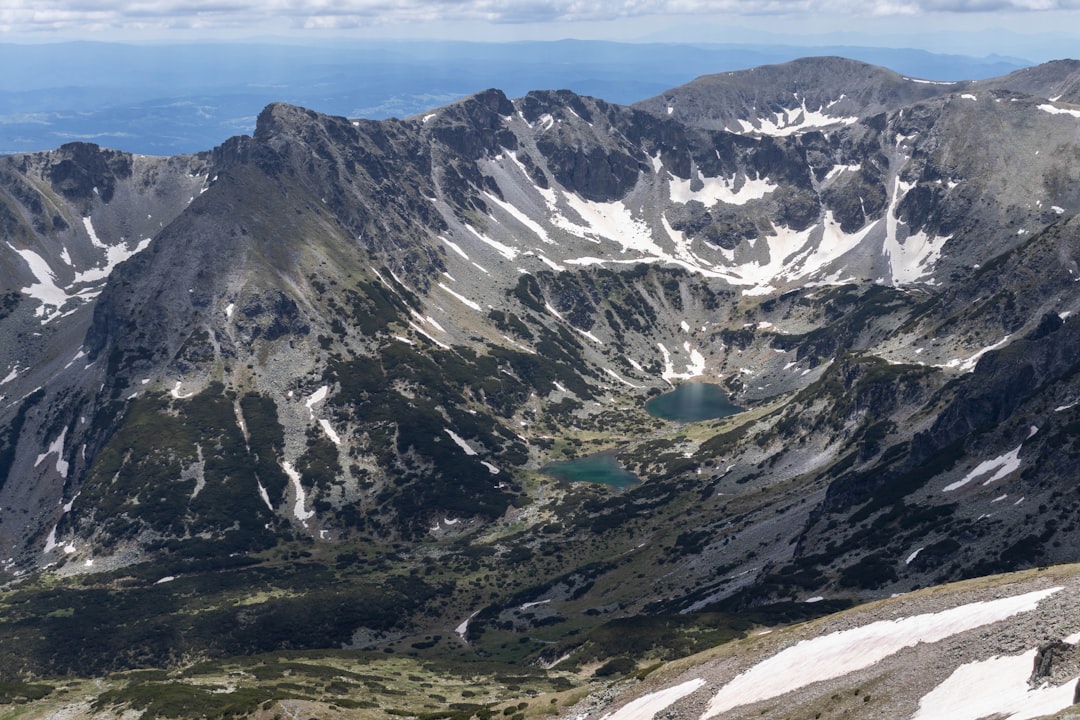
The air at 2,925 meters doesn't just feel thin; it feels stolen. I was standing on the summit of Musala Peak, the highest point in the entire Balkan Peninsula, watching a cloud bank roll over the jagged spine of the Rila Mountains. My lungs were burning, my legs were trembling with a specific, lactic-acid fire, and I was trying not to look at the steep drop-off to the left. A few hours earlier, I had been sitting in a stone courtyard, drinking strong coffee and listening to monks chant, surrounded by centuries of Byzantine frescoes. The contrast was violent. One moment, you are wrapped in the heavy, incense-thick history of Rila Monastery; the next, you are exposed to the raw, indifferent geology of the highest peak in Southeast Europe. This isn't a leisurely stroll. It's a pilgrimage of the lungs, a grueling ascent that demands respect, sweat, and a serious pair of boots.
Most travelers treat the Rila Mountains as a single destination, but it is two worlds stitched together by a mountain road. The monastery is a place of stillness, color, and faith. Musala is a place of wind, rock, and altitude. Connecting them in a single day is a challenge that separates the casual tourists from the serious hikers. It requires an early start, a healthy dose of stubbornness, and an acceptance that you will be exhausted. But the reward is a perspective that few get: standing above the tree line, looking down at the patchwork of forests and valleys that define Bulgaria's interior.
The Ascent from the Valley
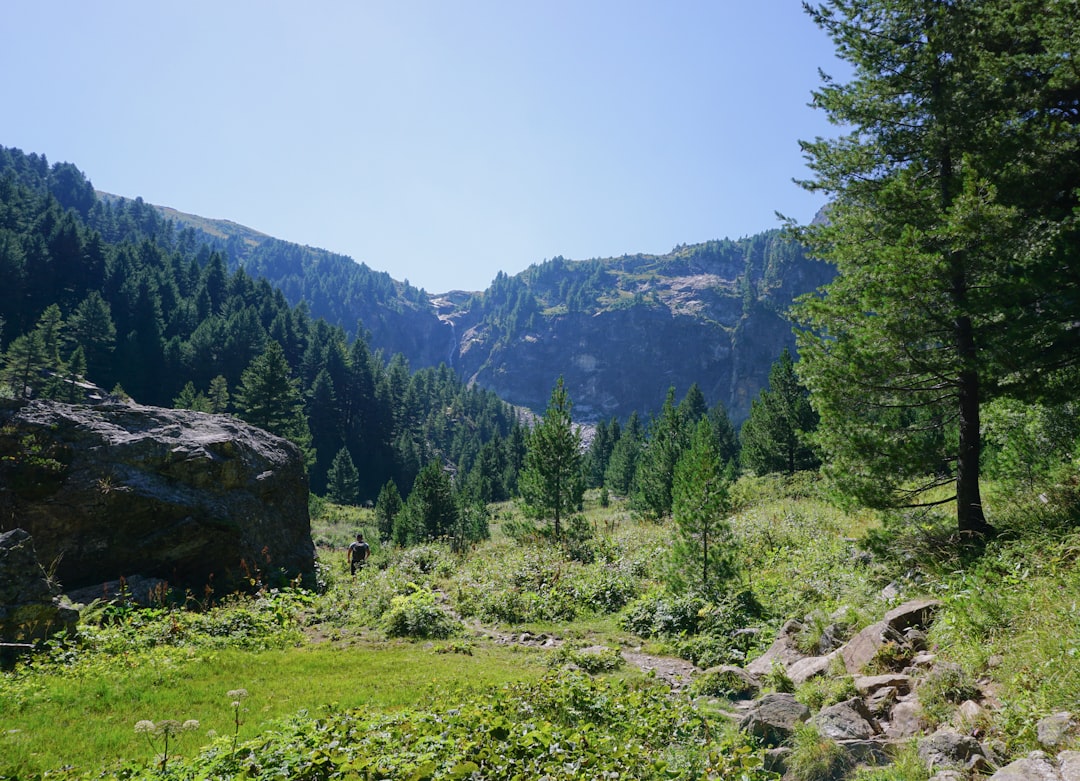
The journey begins at the valley floor, but you don't start at the monastery itself for the hike. You need to move up the mountain. The standard route starts from the Banya ski resort area, specifically the parking lot near the chairlift station. This is your logistical base. From here, the trail is well-marked with the traditional red-white-red paint marks on trees and rocks. The initial climb is deceptive. It feels manageable, a steady grade through pine forests that smell of resin and damp earth. You pass small wooden huts and grazing cattle, the sounds of the valley fading as you climb higher.
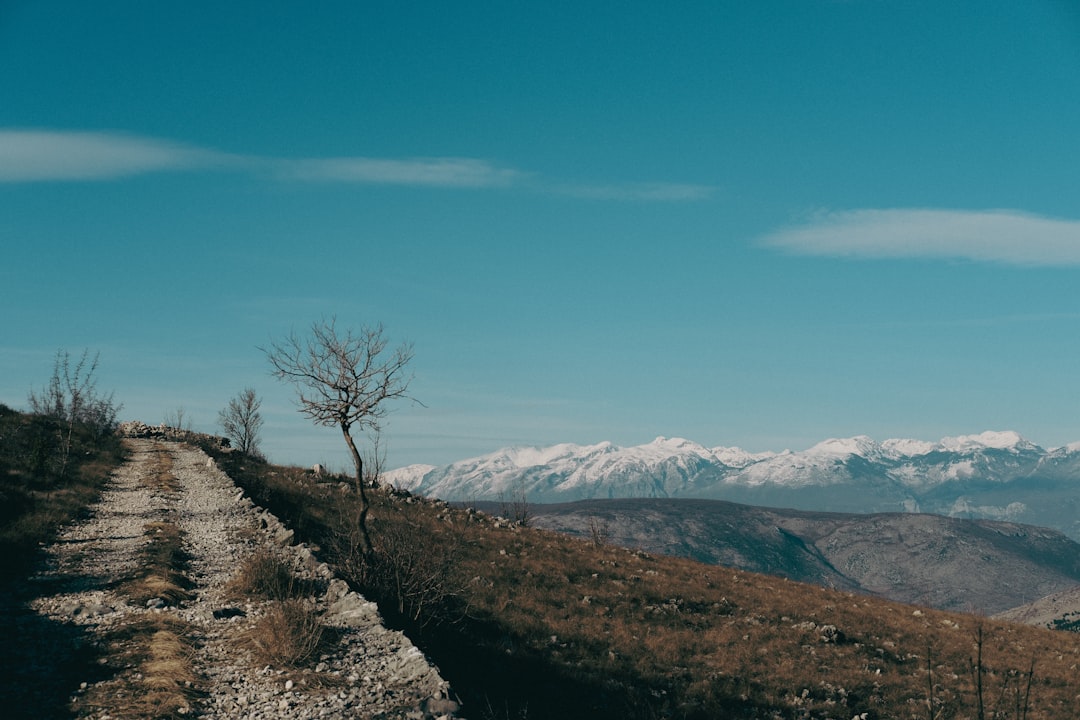
As you gain elevation, the terrain changes. The dense forest gives way to alpine meadows, dotted with wildflowers if you're there in summer, or stark, rocky slopes in autumn. The air gets cooler, crisp. You'll see other hikers, a mix of locals in technical gear and international backpackers. The pace is set by the mountain, not by you. There are no shortcuts here. Every step is a negotiation with gravity. The path winds around the slopes, offering occasional glimpses of the surrounding peaks, but the real goal remains hidden above the ridge. You keep your eyes on the trail, your breathing rhythmic, your water bottle within reach.
The section from the chairlift station to the Musala Peak summit is roughly 10 kilometers one-way, with an elevation gain of over 1,000 meters. It's a serious undertaking. The trail is exposed in places, with steep scree slopes that require careful footing. Gloves can help when you need to pull yourself up over larger rocks. The sun is intense at this altitude, so protection is non-negotiable. You'll pass other hikers coming down, their faces flushed, some triumphant, some relieved to be descending. Their expressions are a silent commentary on the difficulty of the climb.
The Summit and the Descent
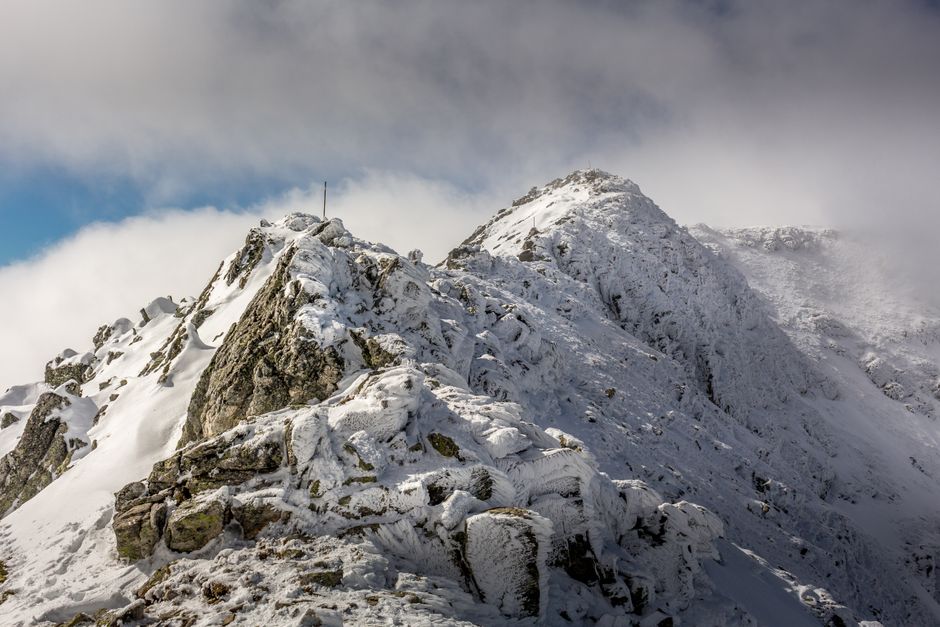
Reaching the summit of Musala is a moment of pure, unadulterated adrenaline. The path levels out, and suddenly, the world opens up. You're standing on the highest point in the Balkans, the wind whipping around you, the sky a deep, intense blue. The view is panoramic, stretching across the Rila Mountains, with glimpses of the distant Rhodope range to the south. It's a place of stark beauty, devoid of vegetation, just rock and ice and sky. You feel small, insignificant, and yet connected to something vast and ancient.
But the summit is only half the journey. The descent is where the real work begins. Your knees will thank you later, but for now, they're screaming. The trail down is steep, rocky, and unforgiving. You have to control your descent, using your legs as brakes, careful not to slip on loose stones. The path winds back down through the alpine meadows, the forest returning as you lose altitude. The light changes, the shadows lengthen, and the temperature drops. It's a different kind of fatigue, a deep, bone-weary tiredness that comes from hours of continuous effort.
As you approach the valley, the sounds of the world return. You hear the distant rumble of the chairlift, the chatter of skiers and hikers, the smell of pine and woodsmoke. You've completed the loop, but you're not done. The monastery awaits, a final destination that offers a stark contrast to the ruggedness of the peak. It's a place of rest, reflection, and reward.
Routes & Trail Info
The primary route from Banya to Musala Peak is a well-established trail, but it's not for the faint-hearted. Here are the key details:
Route: Banya Chairlift Station to Musala Peak Summit.
Distance: Approximately 10 km one-way, 20 km round-trip.
Elevation Gain: ~1,100 meters.
Estimated Duration: 6-8 hours round-trip, depending on fitness and weather.
Difficulty: Experienced. This is a strenuous hike with significant elevation gain and exposed sections. Proper footwear, hydration, and navigation skills are essential.
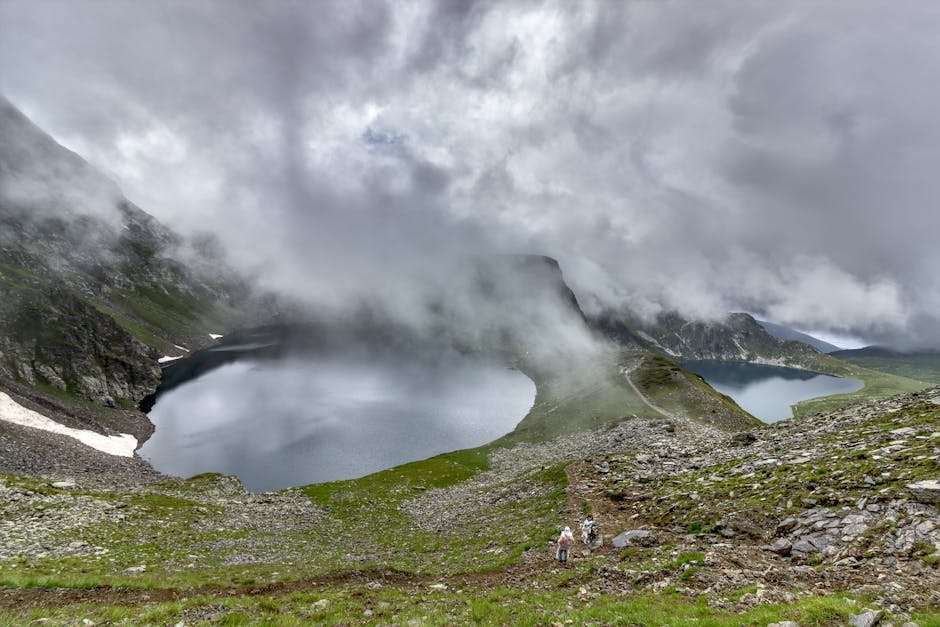
Alternative routes exist, including approaches from the Rila Monastery side, but these are generally longer and more technical. The Banya route is the most direct and popular option for day hikers. Always check weather conditions before starting, as alpine weather can change rapidly. Carry a map, a compass, and a fully charged phone.
Getting There & What to Expect
The nearest major town is Rila, but you need to drive up to the Banya ski resort area for the trailhead. From Sofia, it's about a 2.5-hour drive, roughly 120 km. The road is well-maintained, winding through the mountains with scenic views. Buses run from Sofia to Rila, but you'll need to arrange transport to Banya from there, which can be tricky. A car is highly recommended for flexibility.
At the trailhead, there's a parking lot and some basic facilities. The chairlift operates in winter for skiing, but in summer, it's a hiker's gateway. There are no restaurants or shops at the trailhead, so bring all your food and water. There's a mountain hut partway up, but it's basic and may not have space or supplies. Self-sufficiency is key.
Accommodation in the area ranges from budget hostels in Rila town 20-40 EUR per night to mid-range hotels in Banya 60-100 EUR per night. If you want to be closer to the trailhead, there are guesthouses in Banya, but book in advance during peak season. Meals in Rila or Banya are affordable, with a typical meal costing 8-15 EUR. Street food is limited, so pack snacks.
The best months to hike are June through September, when the weather is stable and the trails are clear. July and August can be crowded, so start early to avoid the midday heat and other hikers. October and November are risky due to potential snow and ice. Always check trail conditions and weather forecasts before heading out.
Search accommodation in Rila on Booking.com →
The Monastery's Shadow
After the hike, the descent into the valley feels like coming back to earth. Literally. The Rila Monastery, perched on its hillside, is a masterpiece of Bulgarian architecture and spirituality. It's a UNESCO World Heritage site, a complex of buildings, churches, and frescoes that have survived centuries of war, occupation, and neglect. The contrast between the rugged, wild summit and this place of ordered beauty is striking.
Walking through the courtyard, you feel the weight of history. The frescoes are vibrant, the icons solemn, the atmosphere reverent. Monks move quietly, their robes a splash of color against the stone. It's a place of peace, a stark contrast to the exertion of the hike. You can sit in the café, drink strong coffee, and reflect on the day. The monastery is open to visitors, with an entry fee of 8 EUR for adults. It's a fitting end to a day of physical challenge, a reminder of the cultural and spiritual depth of this region.
The Rila Mountains offer more than just a hike to the highest peak. They offer a journey through landscape, history, and spirit. From the thin air of Musala to the incense-filled halls of the monastery, it's a day that stays with you. It's not just about conquering a peak; it's about understanding the land, its people, and the enduring power of place. If you're willing to put in the work, the Rila Mountains will reward you with more than just a view. They'll give you a story.
Comments