


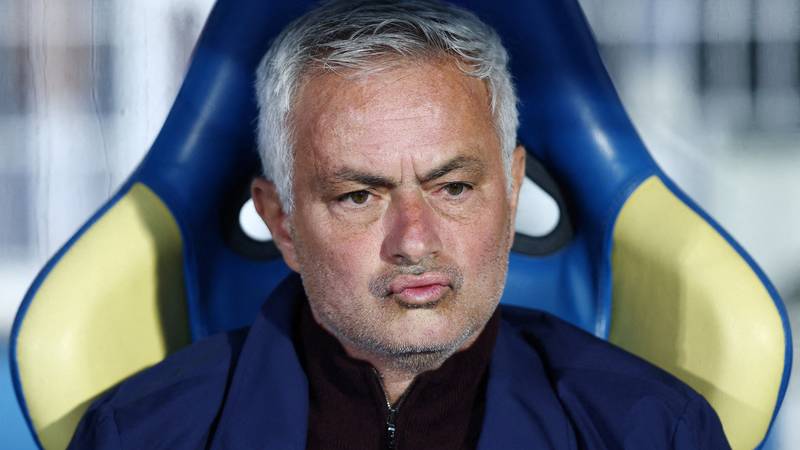
Real Madrid’s presidential election has temporarily halted ongoing discussions with Jose Mourinho regarding a potential managerial appointment. The administrative pause benefits Benfica, which has swiftly moved to increase the buyout fee attached to the Portuguese coach’s contract. What began as a straightforward negotiation has evolved into a complex standoff, influenced by club politics and historical friction between the two European giants.
Contract Details and Rising Tensions
Mourinho’s original release clause was set at seven million euros, but that provision expired on 26 May. With the automatic trigger gone, the Madrid side must now negotiate directly with the Lisbon institution. The path forward is rarely smooth. Relations between the two clubs have been strained for years, marked by past transfer disputes and competing ambitions in European competition. Despite having twelve months remaining on his current deal, the manager’s departure appears all but certain. The situation grew more complicated after he made public comments suggesting he might stay, a stance that unsettled the Portuguese board. He maintains that the club delayed offering a contract extension until interest from Spain became public. The financial and sporting gap between the institutions means any agreement will require careful structuring, especially given the ongoing administrative transition.
Mourinho’s Madrid Blueprint
While waiting for the presidential vote to conclude, the seasoned tactician has already begun mapping out his potential tenure. He is confident that Florentino Pérez will retain control of the institution, a factor that shapes his


Comments