



Politehnica University of Timișoara has officially inaugurated its new Faculty of Robotics and Artificial Intelligence, marking a significant shift in Romania's higher education landscape. This development positions the institution as a regional leader in STEM innovation, directly responding to the growing demand for specialized engineers in the Balkans and beyond. The university's leadership has explicitly cited top-tier global institutions like MIT and Harvard as benchmarks for academic excellence, signaling an ambition to elevate local research standards to international levels. For the Balkan region, which is increasingly becoming a hub for IT outsourcing and engineering talent, this move underscores a strategic pivot toward high-value knowledge production rather than mere service provision.
The establishment of this faculty is not merely an academic expansion but a deliberate economic strategy. As Europe faces a widening skills gap in automation and machine learning, Politehnica Timișoara aims to produce graduates who are immediately employable in high-tech sectors. The initiative reflects a broader trend across the Balkans, where technical universities are modernizing their curricula to compete with Western European counterparts. By integrating robotics and AI into its core structure, the university seeks to foster interdisciplinary collaboration, bridging the gap between theoretical computer science and practical industrial application.

Global Benchmarks and Academic Ambitions
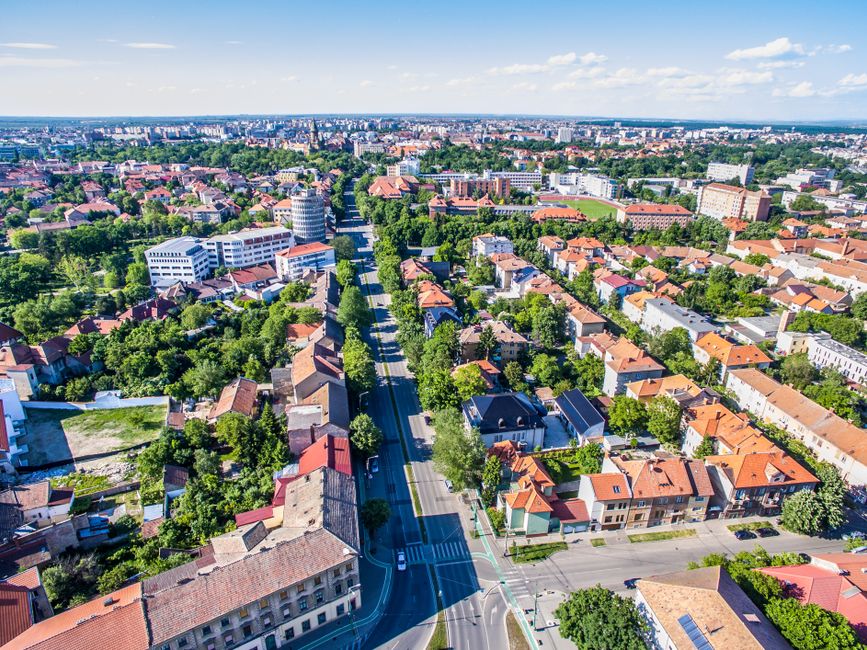
The rector of Politehnica Timișoara has been vocal about the university's long-term vision, drawing direct parallels to the operational models of MIT and Harvard University. This comparison highlights a desire to replicate the close ties between academia and industry that define these American giants. In the Balkan context, such a model is relatively novel, as many technical institutions have historically operated with limited industrial engagement. The new faculty is designed to encourage joint research projects with multinational corporations, potentially attracting foreign direct investment into the Timișoara region, which is already known as the "Little Vienna" for its cultural and industrial heritage.
By aiming for these prestigious benchmarks, the university is also challenging the traditional perceptions of Balkan higher education. Historically, students from the region often sought opportunities in Germany, France, or the UK for specialized tech degrees. This new initiative aims to retain top local talent by providing world-class resources and curriculum at home. The faculty will likely focus on cutting-edge topics such as autonomous systems, neural networks, and industrial automation, areas where global demand is skyrocketing. This alignment with global trends ensures that graduates are not just locally competent but globally competitive.
Impact on the Balkan Tech Ecosystem
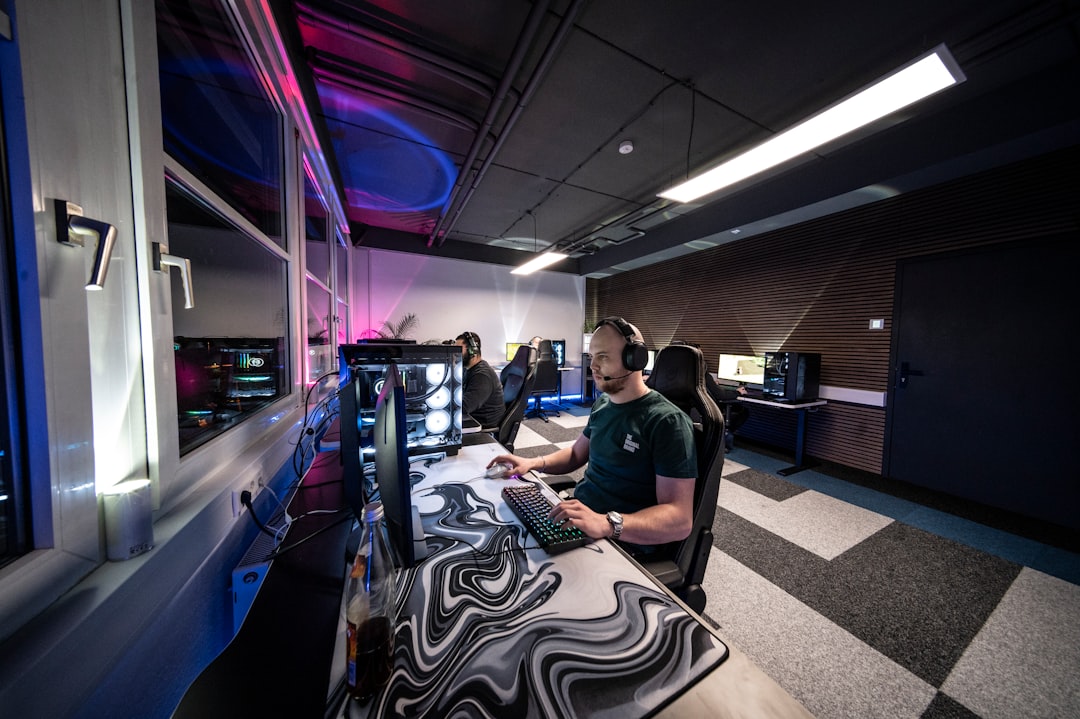
The launch of the Faculty of Robotics and AI has immediate implications for the broader Balkan tech ecosystem. Romania, along with Serbia and Bulgaria, has emerged as a key player in Europe's IT sector. However, the region often struggles with the "brain drain" phenomenon, where skilled engineers leave for better opportunities in Western Europe. By offering advanced, specialized programs in high-growth fields, Politehnica Timișoara hopes to create a sticky environment for talent. The new faculty will likely collaborate with local tech hubs and startups in Timișoara, fostering an innovation cluster that can rival those in Bucharest or Cluj-Napoca.
This development also serves as a catalyst for other universities in the Balkans to accelerate their digital transformation. Competing institutions in Sofia, Belgrade, and Zagreb may feel pressured to enhance their own STEM offerings to remain relevant. The ripple effect could lead to increased regional cooperation in research and development, potentially forming a Balkan tech corridor that attracts international partnerships. For multinational companies looking to establish R&D centers in Southeast Europe, this signals a mature and ready workforce, reducing the need for extensive on-the-job training.
Future Outlook and Regional Significance
Looking ahead, the success of this new faculty will depend on its ability to secure sustained funding and forge meaningful industry partnerships. While the announcement is promising, the true test will be in the quality of research output and graduate employability over the next five to ten years. The university must navigate the challenges of hiring world-class faculty and acquiring state-of-the-art laboratory equipment, which often requires significant investment. If successful, Politehnica Timișoara could become a model for technical education reform across the Balkans, demonstrating how regional institutions can compete on the global stage.
For readers and stakeholders in the Balkans, this development is a clear indicator of the region's growing confidence in its technological capabilities. It moves beyond the narrative of the Balkans as a low-cost labor market and positions it as a center of innovation and intellectual capital. As the global economy becomes increasingly driven by AI and automation, the ability to produce skilled engineers in this region will be a critical asset. The launch of this faculty is not just a local news item but a strategic milestone for the entire Southeast European tech sector, signaling a new era of academic and industrial ambition.


Comments