


The Laptop in the Locker Room? Not Quite.
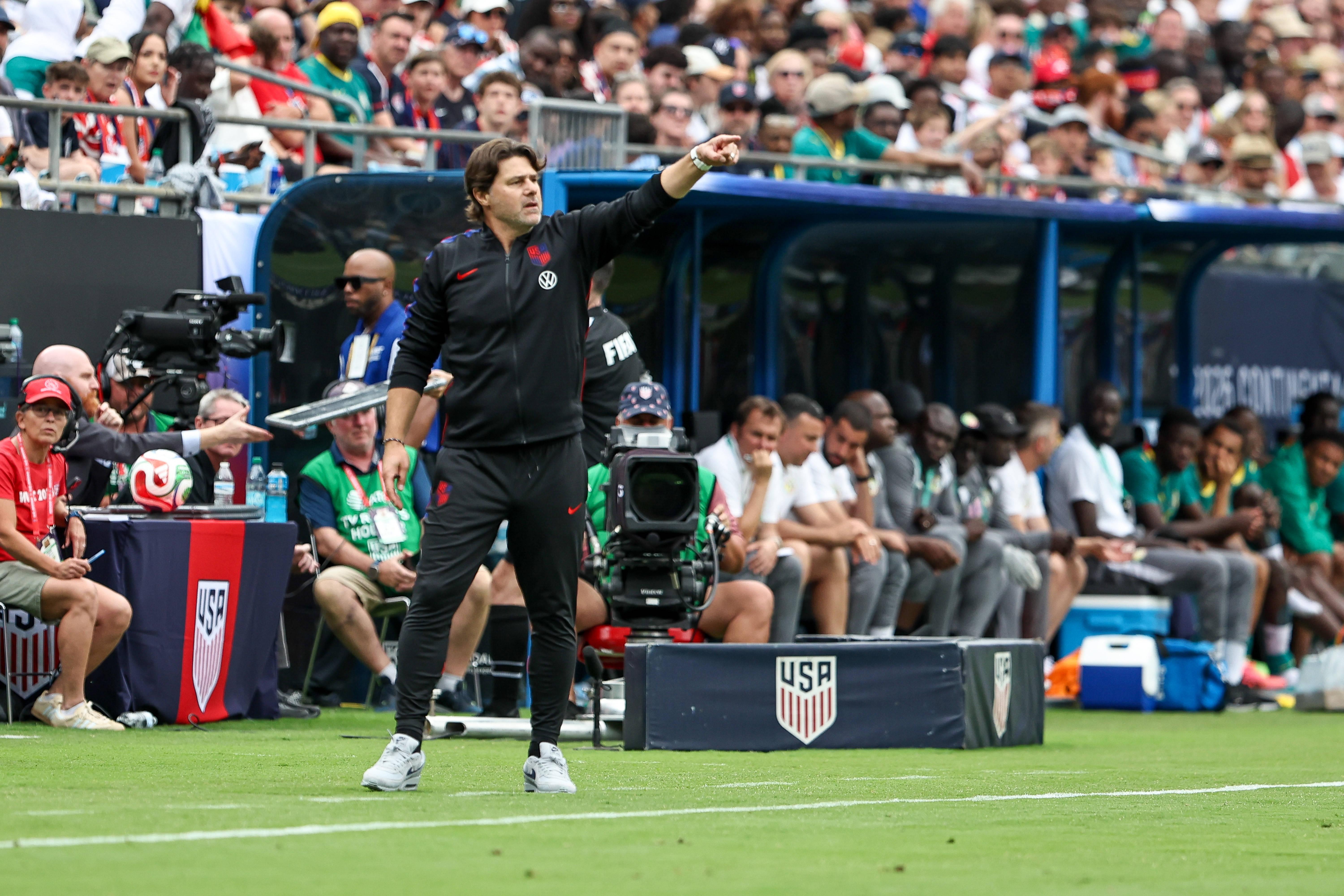
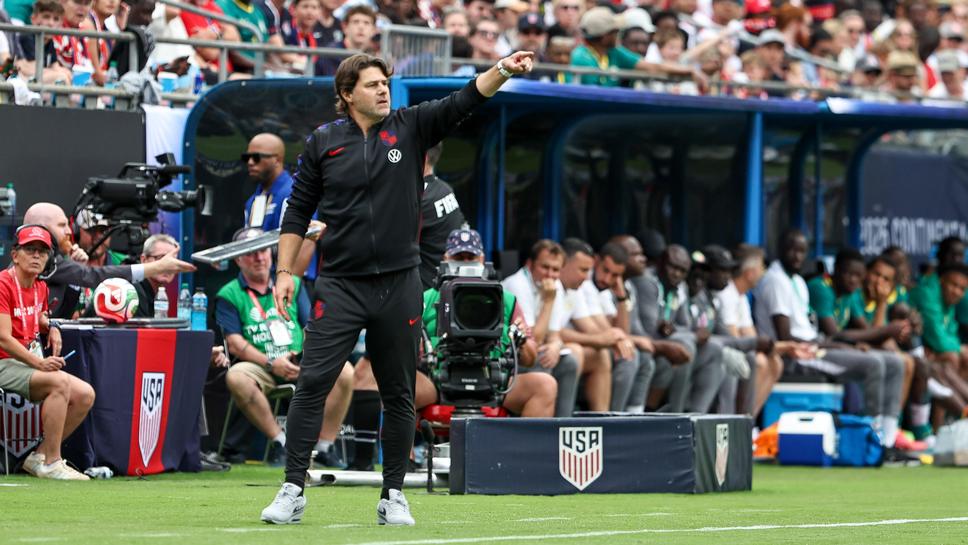
The whistle blew for a hydration break, but Mauricio Pochettino wasn’t just handing out water bottles. The United States men's national soccer team head coach pulled out a laptop mid-game against Senegal, flashing tactical clips to his players on the touchline. It was a bold, modern move during a 3:2 friendly victory, but it might be a risky play heading into the 2026 FIFA World Cup.
This wasn’t a casual scroll through social media. Pochettino used the pause to deliver precise, visual instructions. After the match, the Argentine tactician defended the strategy with absolute clarity. "I think it was very useful for the players to see specific situations," he explained. "It’s not enough to just tell them what we expect or what they need to improve. The fact that they see it on video is very important."
FIFA’s Rulebook Silence
The controversy isn’t about the tactic’s effectiveness—it’s about legality. FIFA has introduced new regulations for the upcoming World Cup to manage match flow and player welfare, but the fine print regarding technical instructions during hydration breaks remains murky. Do players have the right to leave the pitch entirely? Can coaches deploy electronic devices for real-time analysis during these mandated pauses?
Currently, the rules don’t explicitly forbid or permit such sessions. This ambiguity leaves Pochettino’s laptop experiment in a gray area. If the USMNT tries this at the World Cup, they might find themselves facing a caution from the fourth official rather than just tactical praise. The lines between innovation and infraction have never been thinner. As the tournament approaches, coaches worldwide are watching closely: is the laptop a legitimate tool or a technical foul waiting to happen?

почетино наистина креативен с този лаптоп tbh. не знам дали ФИФА ще го пуснат на СП обаче. малко съм скептичен...