


The Diocese of Paphos in Cyprus has officially restored internal unity following a prolonged period of ecclesiastical division that disrupted religious services and administrative functions across the region. The Holy Synod of the Church of Cyprus has confirmed that all parishes under the jurisdiction of the Metropolitan of Paphos are now operating under a single, unified leadership structure. This resolution marks the end of a contentious chapter that saw parallel administrations and competing claims to authority within the diocese, causing confusion among the faithful and drawing attention from the broader Orthodox community.
The restoration of order is significant not only for the local community in Paphos but also for the wider Orthodox world, as the Church of Cyprus holds one of the oldest autocephalous status in Christianity. The resolution came after extensive dialogue between the Holy Synod and the involved parties, emphasizing the importance of canonical procedure and ecclesiastical harmony. For Balkan audiences, who maintain strong religious and cultural ties with Cyprus through shared Orthodox traditions, the stabilization of the Paphos Diocese reinforces the interconnectedness of Orthodox churches in the Eastern Mediterranean and Southeastern Europe.
Background of the Ecclesiastical Dispute
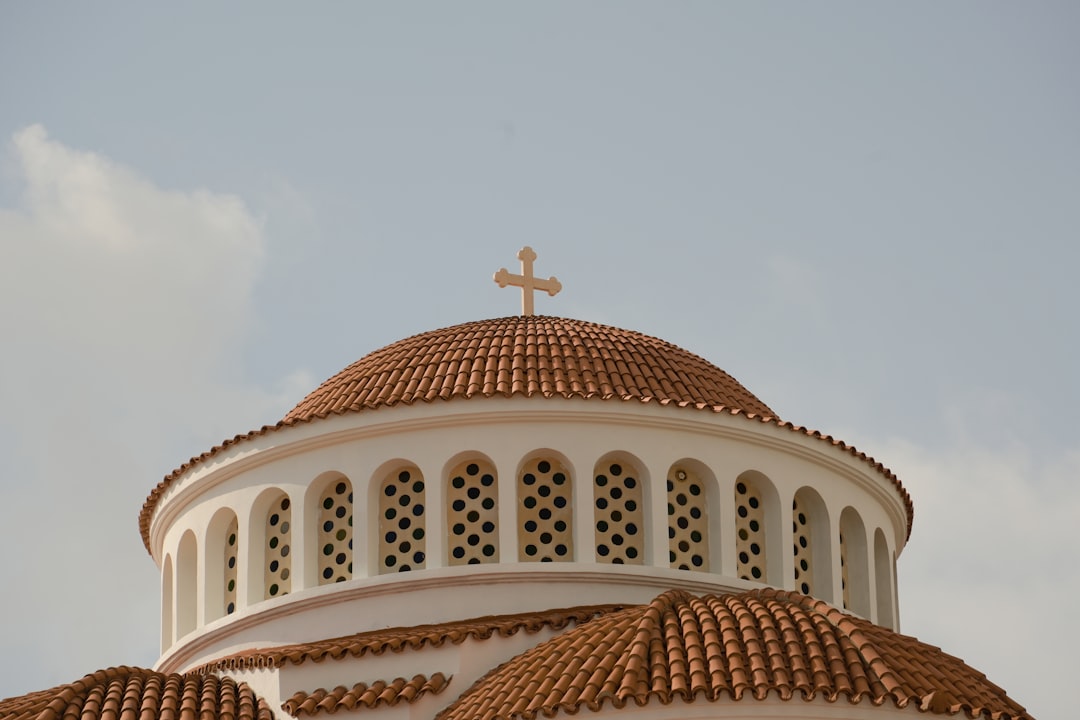
The division within the Paphos Diocese originated from internal disagreements regarding administrative authority and the implementation of canonical decisions. For several months, two groups operated within the diocese, each claiming legitimacy and conducting separate religious activities. This situation led to overlapping services, divided parishioners, and uncertainty over which leadership held canonical recognition. The Holy Synod of the Church of Cyprus, based in Nicosia, intervened to address the schism, calling for adherence to established church laws and the restoration of a single metropolitan authority.
The Church of Cyprus, recognized as one of the earliest autocephalous Orthodox churches, maintains a strict hierarchical structure where each diocese is led by a Metropolitan elected according to canonical guidelines. The dispute in Paphos challenged this structure, creating a precedent that other dioceses feared could undermine ecclesiastical stability. The Holy Synod’s intervention highlighted the importance of maintaining unity within the Orthodox communion, particularly in regions where religious identity plays a central role in social and cultural life. The resolution involved clarifying the canonical status of the Metropolitan and ensuring that all parish priests and lay leaders recognized the legitimate authority.
This case reflects broader challenges faced by Orthodox churches in maintaining internal cohesion amid modern societal changes and administrative complexities. The Paphos situation was not isolated; similar disputes have occurred in other Orthodox jurisdictions, underscoring the need for clear canonical frameworks and effective conflict resolution mechanisms. The successful restoration of unity in Paphos serves as a model for other dioceses facing internal divisions, demonstrating that dialogue and adherence to tradition can resolve even deeply entrenched conflicts.
Significance for the Orthodox World and Balkan Connections
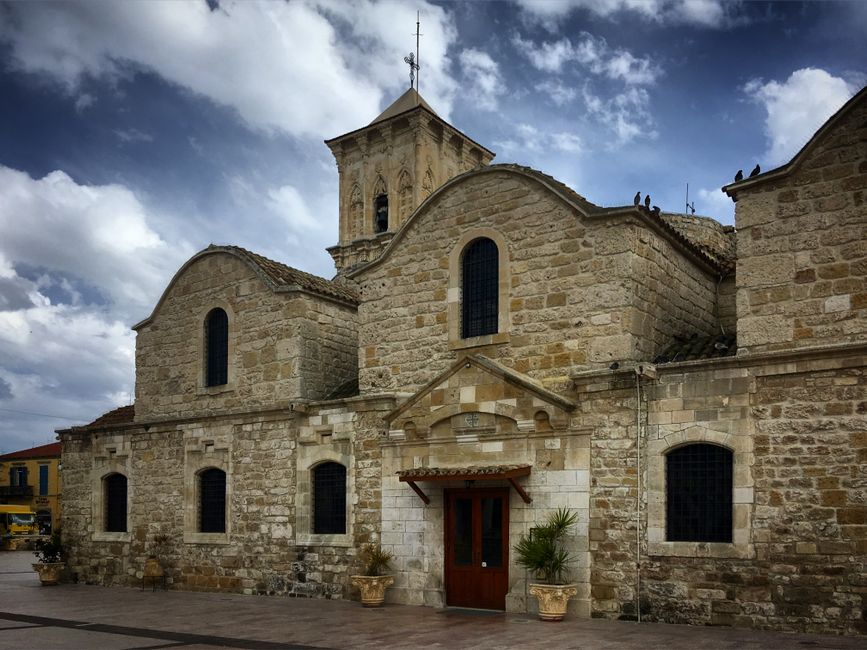
The restoration of unity in the Paphos Diocese has reverberated throughout the Orthodox world, particularly among churches in the Balkans and Southeastern Europe. The Church of Cyprus shares historical, liturgical, and theological ties with the Orthodox churches of Greece, Bulgaria, Romania, Serbia, and other Balkan nations. Many of these churches view the stability of their sister churches as a matter of spiritual and communal interest. The resolution in Paphos is seen as a positive step toward maintaining the integrity of the Orthodox communion, which has faced various challenges in recent years, including jurisdictional disputes and external pressures.
Balkan Orthodox communities have long looked to Cyprus as a spiritual and cultural bridge between Europe and the Middle East. The stability of the Paphos Diocese reinforces this role, ensuring that religious pilgrimages, cultural exchanges, and ecclesiastical collaborations can proceed without disruption. For instance, many Greek Orthodox faithful from Greece and other Balkan countries visit Cyprus for religious tourism and spiritual retreats. The unity restored in Paphos ensures that these activities can continue under a single, recognized administration, enhancing the experience for visitors and strengthening ties between the communities.
The decision also underscores the importance of canonical unity in the Orthodox tradition. The Church of Cyprus, along with other autocephalous churches in the Balkans, emphasizes the importance of maintaining doctrinal and administrative consistency. The resolution in Paphos demonstrates that even in times of internal conflict, the principles of canonical law and ecclesiastical unity can prevail. This has implications for other Orthodox churches in the region, which may face similar challenges in the future. The successful resolution in Paphos provides a precedent for handling internal disputes in a manner that respects tradition and promotes harmony.
What to Watch For Next
As the Paphos Diocese moves forward in a unified state, observers will watch for the implementation of reforms aimed at preventing future divisions. The Holy Synod is expected to issue guidelines to strengthen administrative procedures and enhance communication within the diocese. These measures may include regular synodal meetings, clearer lines of authority, and mechanisms for addressing grievances before they escalate into larger conflicts. The success of these reforms will be closely monitored by other Orthodox churches, particularly those in the Balkans, which may adopt similar practices to maintain internal stability.
The restoration of unity also opens the door for renewed cultural and religious initiatives in Paphos. The diocese may organize events to celebrate the resolution and strengthen community bonds, including joint services, festivals, and educational programs. These initiatives will likely attract participation from Orthodox communities across the Balkans and beyond, reinforcing the shared heritage and spiritual connections that bind these regions together. For readers interested in Orthodox affairs, the developments in Paphos offer a compelling case study in ecclesiastical governance and conflict resolution.
In the broader context, the stability of the Paphos Diocese contributes to the overall health of the Orthodox communion in the Eastern Mediterranean. As religious and cultural ties between Cyprus and the Balkans continue to strengthen, the unity of the Paphos Diocese will play a key role in fostering mutual understanding and cooperation. For those following Orthodox news, the resolution in Paphos is a reminder of the enduring importance of unity, tradition, and canonical integrity in the face of internal challenges.

Comments