


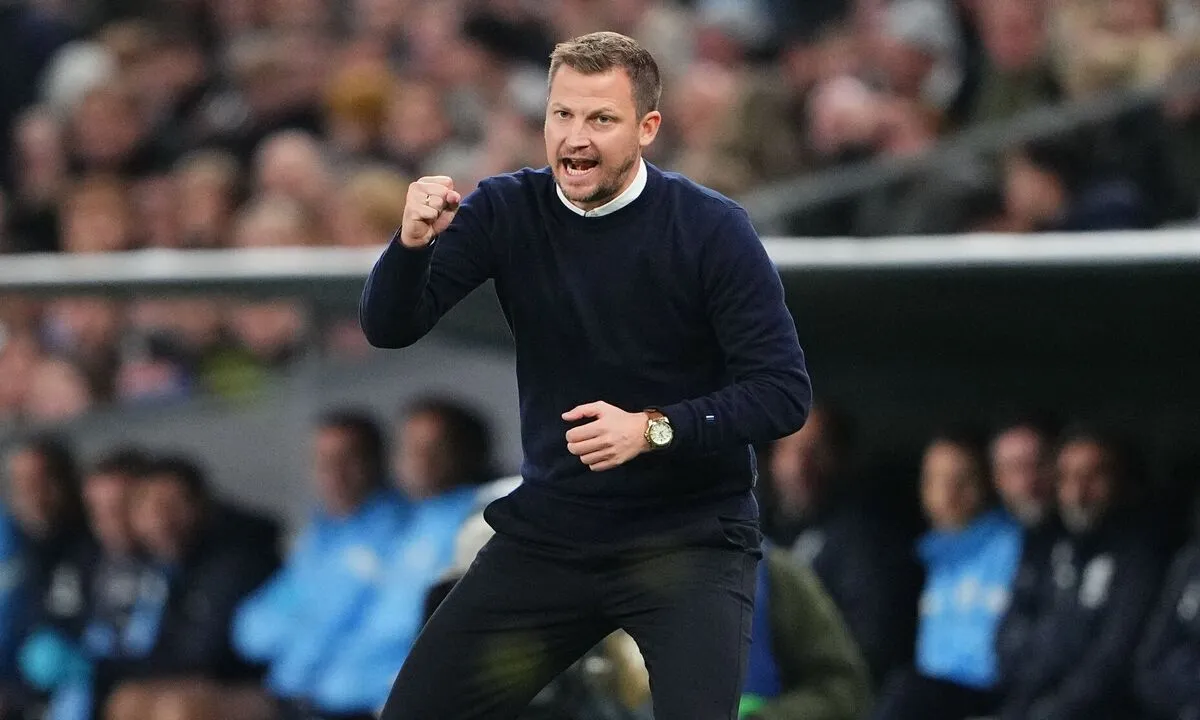
Danish coach Jakob Neustrup has quietly arrived in Athens to take over as the new head coach of Panathinaikos. The club has deliberately kept his presence under wraps, preferring to finalize internal paperwork before making a public statement. Sources confirm Neustrup landed in Greece on Thursday, marking the first step in a two-year agreement that includes a substantial performance bonus tied to domestic success.
Navigating the Negotiation Phase
The transfer process unfolded with careful discretion. Club executives initially allowed rumors to circulate, suggesting Neustrup remained a top target among several competing offers. This strategy created a controlled environment, preventing premature speculation while legal teams drafted the final contract. Reports indicate the Danish specialist will earn one million euros annually, with an additional half-million euro payout if the squad secures the Super League Greece title. The financial structure reflects a clear mandate: stabilize the dressing room and deliver immediate results.
Neustrup’s arrival coincides with the conclusion of Rafa Benitez’s tenure. The Spanish manager’s departure was inevitable given the club’s shifting sporting direction. By bringing in a coach with a reputation for tactical discipline and youth development, the board aims to recalibrate the team’s approach. Neustrup has already met with sporting directors and technical staff, reviewing squad assessments and summer transfer targets. The groundwork is now complete, and an official presentation is expected within days.
Setting the Course for Next Season
The coaching change carries weight across the domestic landscape. Panathinaikos has historically operated as a benchmark for Greek football, and any leadership transition draws intense scrutiny from supporters and rival clubs alike. Neustrup’s profile aligns with a broader regional trend of hiring Scandinavian coaches known for structured pressing and analytical scouting. His previous campaigns demonstrated a willingness to adapt to local league demands while maintaining high-intensity frameworks.
Summer preparations will test the new regime immediately. The squad requires reinforcement in defensive midfield and wide attacking positions, areas where Neustrup has previously prioritized targeted recruitment. Training camps are already being scheduled across northern Europe, with preseason fixtures designed to evaluate squad depth and implement tactical adjustments. Supporters remain cautiously optimistic, aware that the upcoming campaign will define whether this appointment marks a sustainable rebuild or a short-term fix. The Greek market has seen a steady influx of tactical innovators from northern Europe, and Neustrup’s methodology fits naturally into this evolution. Local clubs are increasingly prioritizing data-driven recruitment and cohesive defensive structures over individual star power. This shift places additional pressure on the new manager to balance immediate competitive demands with long-term project building. The ball now rests with the coaching staff to translate ambition into measurable progress on the pitch.


Comments