


The Golden Dress That Divided the Court
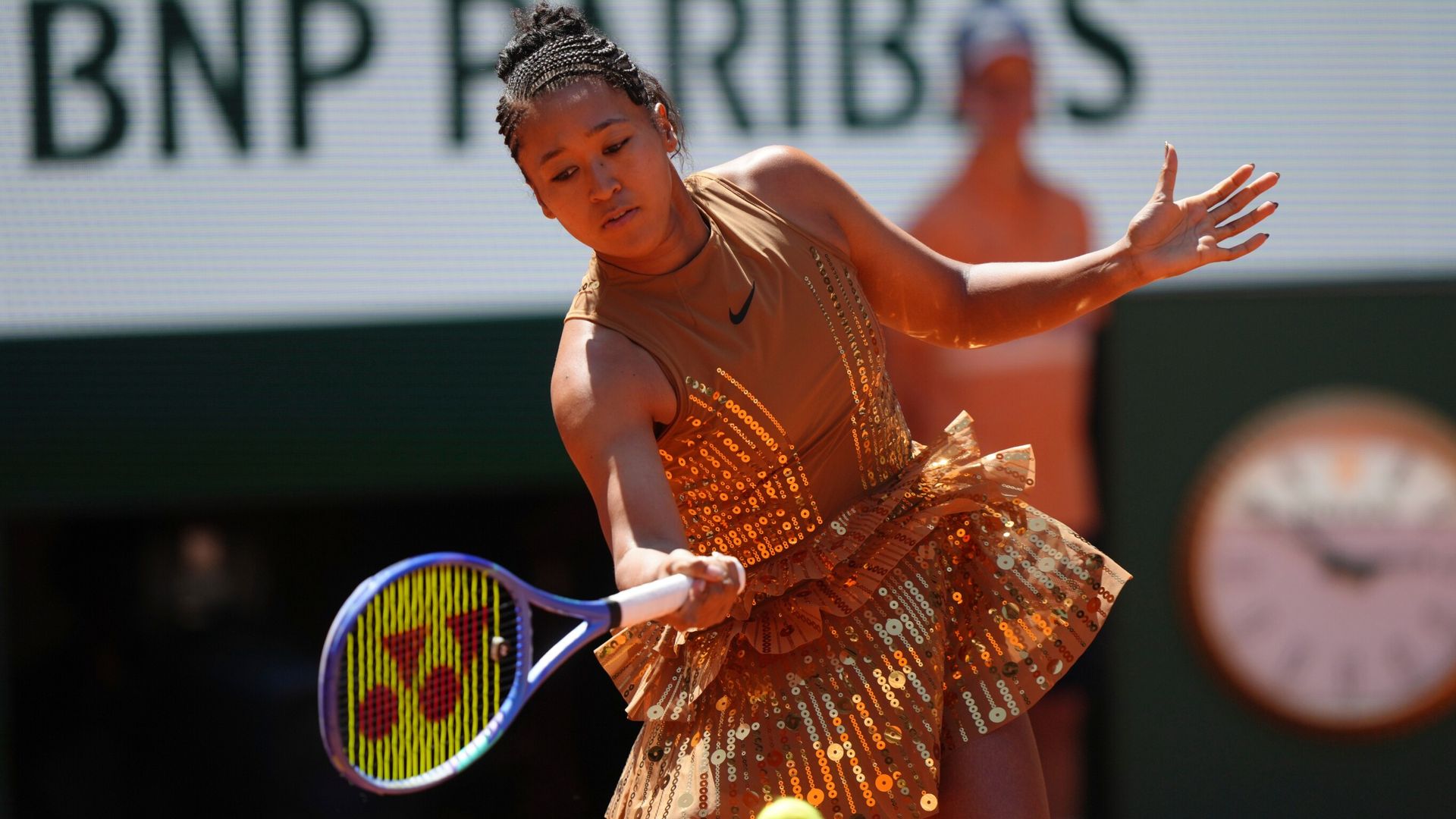
The clay of Roland Garros didn't just witness a first-round victory on Wednesday, 27 May 2026; it witnessed a cultural collision. Naomi Osaka stepped onto Court Suzanne-Lenglen not merely as a player, but as a spectacle. Clad initially in a ceremonial black skirt and beaded bodice, the four-time Grand Slam champion shed the outer layer to reveal a dazzling, sequined gold playing dress. The crowd gasped. The cameras flashed. But for her opponent, Germany's Laura Siegemund, the moment was less about admiration and more about irritation.
Siegemund, ranked World No 47, fell in straight sets. Yet her post-match comments carried more weight than the scoreboard. "I couldn't care less," she stated flatly. "I come here to play tennis, not to put on a fashion show." Her frustration wasn't just aesthetic; it was structural. Siegemund took aim at the extra minute and a half Osaka was permitted to change her outfit before the first serve. In a sport where every second is scrutinized—down to the unpacking of a water bottle—this exception felt like a glaring double standard to the German.
Entertainer or Athlete? Osaka's Defense
Osaka, however, sees the court as a stage. "Athletes are in show business," she explained, dismissing the criticism with practiced ease. For her, the grand entrances—from the white parasol at the Australian Open to the sparkly red roses at last year's US Open—are the only moments she embraces the role of an entertainer. She admitted to a practical fear: the sun reflecting off the sequins could have blinded the umpire, potentially getting her kicked off the court. She even carried two backup Nike dresses just in case.
The debate rages on. Is tennis becoming too theatrical, or is it evolving to meet the demands of the modern audience? Siegemund sees a breach of fairness; Osaka sees a chance to shine. As the tournament progresses, one thing is certain: the conversation will be as loud as the applause.

fenerbahce were miles better this season tbh. honestly didn't see that coming lol. Siegemund sounds like she needs a chill pill rn...