


Early Christian Martyrs Honored
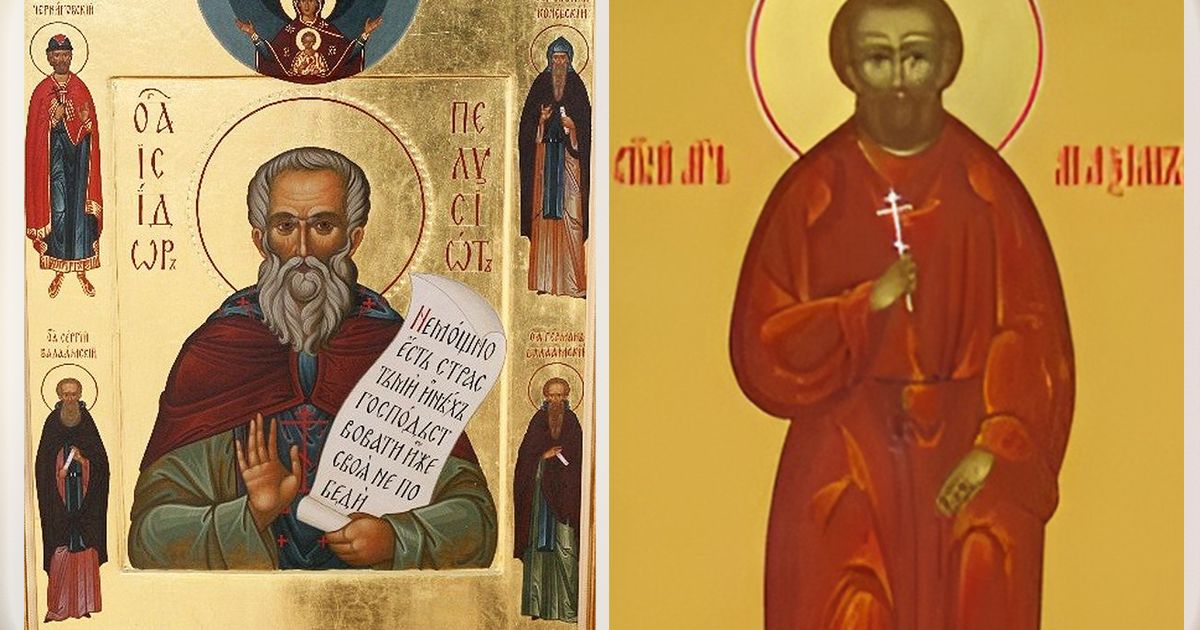
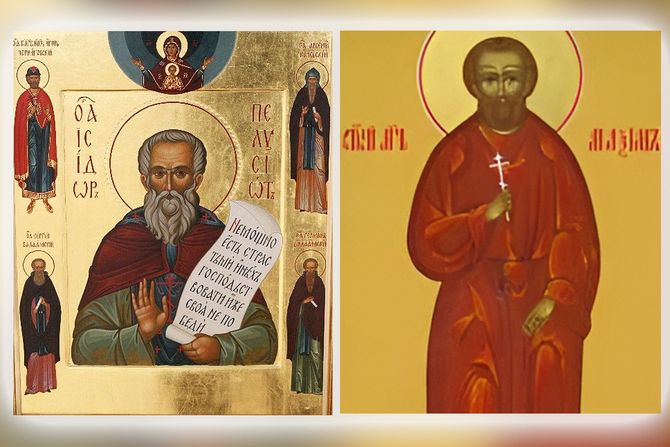
The Serbian Orthodox Church and its faithful commemorate the early Christian martyrs Saint Isidor of Chios and Saint Maximus on May 27. These saints gave their lives for their faith during the brutal persecutions of the third century. Their stories of unwavering courage and sacrifice remain central to Orthodox spiritual tradition.
Saint Isidor lived in the third century and hailed from Alexandria. During the reign of Emperor Decius, he was forcibly conscripted into the Roman army and sent to the island of Chios. When Governor Numerius discovered Isidor’s Christian faith, he ordered him to renounce his beliefs and sacrifice to Roman idols. Isidor firmly refused, declaring that while his body could be killed, his soul remained beyond earthly control.
For this defiance, Isidor endured horrific torture. According to hagiographic accounts, his executioners cut out his tongue to silence his praises to God. Miraculously, Isidor continued to clearly profess his faith in Christ even without a tongue. Enraged, the governor ordered his beheading in 251 AD. His body was secretly buried, and his relics are still venerated today.
Traditions and Taboos for the Day
Saint Maximus suffered during the same period of intense persecution. A common citizen with extraordinary faith, he was brought before a judge and forced to choose between sacrificing to pagan gods or facing death. Maximus proudly stated he only bowed to the living God. He was brutally beaten and stoned to death, joining Isidor in the heavenly kingdom as a witness of unshakeable faith.
Today, believers pray to Saint Isidor for strength during life’s trials and injustices. He is considered the patron of those who suffer for their truth. Following Isidor’s example of forgiving his tormentors, it is believed that this is an appropriate day to settle old scores, forgive those who have offended you, and cleanse the heart of bitterness.
Since today is Wednesday, the Orthodox Typicon mandates a fast on water. The faithful should abstain from meat, dairy, and oil. Folk tradition holds that lying, slandering, or speaking ill of others is a grave sin on this day. It is believed that every harsh word spoken today returns double to the speaker. Although it is not a major feast day, it is advisable to avoid heavy fieldwork or household chores out of respect for the martyrs’ blood, dedicating the day to spiritual peace instead.



sveca isidora danas znači da ne smemo ništa da lažemo niti da pričamo loše o drugima što je teško kad se vidim šta se sve dešava na terenu lol. ne znam kako neki ljudi mogu da se drže ovoga ali poštujem tradiciju.