



Serbian professional tennis player Olga Danilović has become a trending topic across the Balkans following recent reports and social media buzz surrounding her relationship with Jan Obak. The 27-year-old right-hander, known for her powerful baseline game and resilience on the WTA tour, has seen a surge in public interest as details about her personal life emerge alongside her professional endeavors. For fans in Serbia and the wider region, Danilović remains a significant figure in the resurgence of Serbian tennis, a country that has produced legends like Novak Djokovic, Ana Ivanovic, and Jelena Jankovic. The recent attention highlights the growing intersection of athletic performance and personal branding in modern sports, where athletes' off-court lives often generate as much engagement as their match results.
A Rising Star in Serbian Tennis
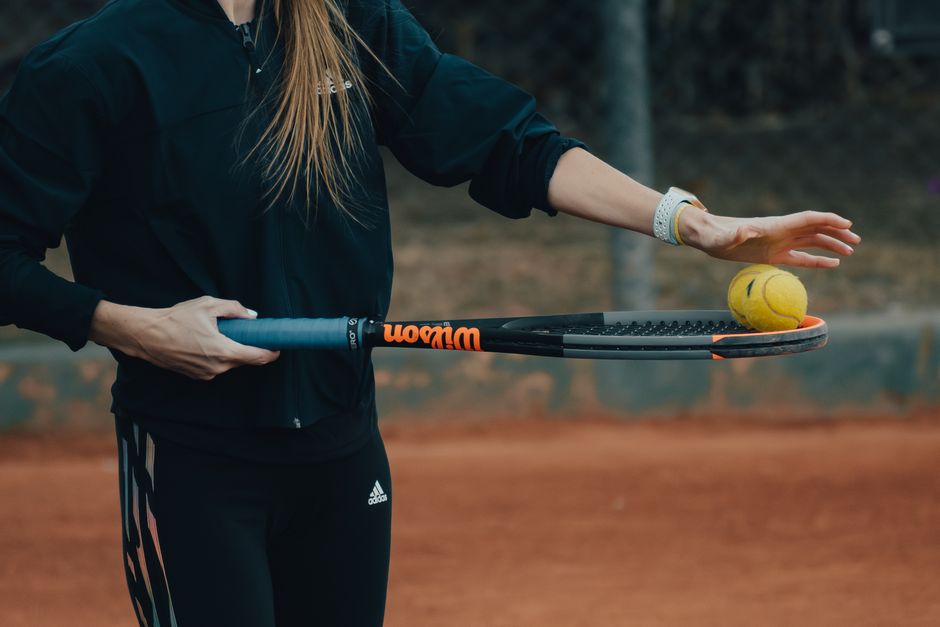
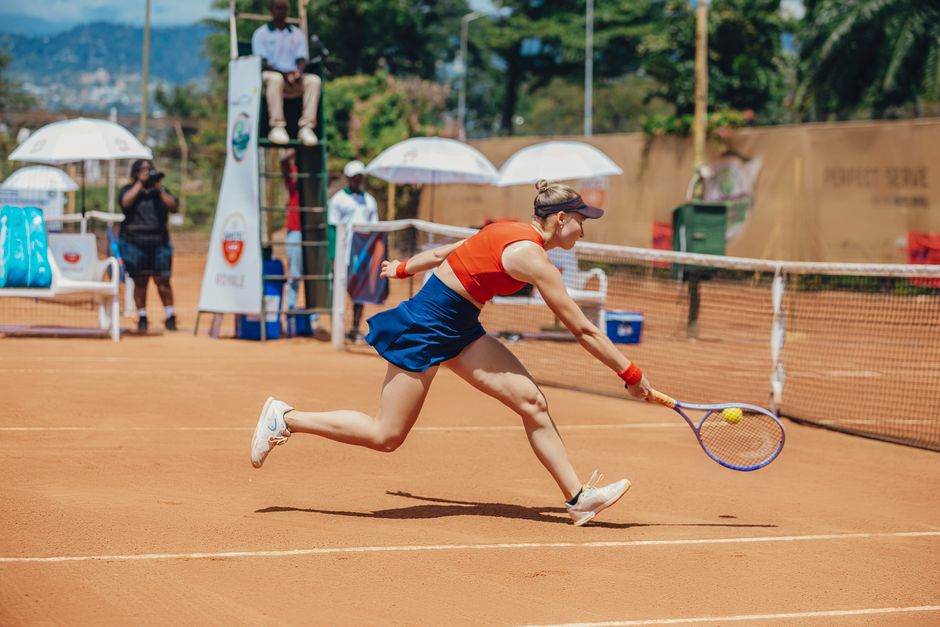
Olga Danilović turned professional in 2014 and has since carved out a respectable career on the WTA Tour. Born in Belgrade, she represents the new generation of Serbian tennis players striving to reach the upper echelons of the sport. Her career-high singles ranking of World No. 33, achieved in 2021, marked her as a player capable of competing against top-10 opponents. Known for her aggressive style and ability to dictate play from the baseline, Danilović has captured attention with notable victories over established names in the sport. Her journey reflects the competitive depth of Serbian tennis, where a strong junior development system continues to produce talent despite the intense pressure to follow in the footsteps of national heroes.
Danilović’s career has been characterized by consistency rather than flashiness. She has won multiple ITF titles and has made deep runs in WTA 250 and 500 events. Her participation in major tournaments, including the French Open and the US Open, has kept her in the global spotlight. In recent seasons, she has focused on improving her mental toughness and physical conditioning, aiming to break into the top 20. For Serbian fans, every tournament she plays is an opportunity to cheer for a homegrown athlete who embodies the fighting spirit associated with the nation’s tennis tradition. Her matches on home soil, particularly at the Belgrade Open, are always met with enthusiastic support from local crowds.
Personal Life and Public Interest
Recent media coverage has focused on Olga Danilović’s relationship with Jan Obak, a topic that has sparked considerable discussion on social media platforms and sports news outlets in the Balkans. While details about Obak remain relatively private, the public’s fascination stems from the humanizing aspect of athletes’ lives. Fans are increasingly interested in the personal stories behind the scores, seeking connections that go beyond professional achievements. The relationship has been portrayed as a supportive partnership, with both individuals balancing the demands of public attention with their private lives. This trend mirrors a broader shift in sports journalism, where personal narratives are integral to the athlete’s brand and fan engagement.
The attention surrounding Danilović and Obak also reflects the evolving media landscape in Serbia and the Balkans. Digital platforms and social media have democratized access to celebrity news, allowing fans to engage directly with athletes’ lives. However, this increased visibility comes with challenges, including the need to manage privacy and protect personal relationships from public scrutiny. Danilović has maintained a professional demeanor, focusing on her tennis career while navigating the spotlight. Her approach serves as a model for young athletes in the region, demonstrating how to balance personal life with professional responsibilities in an era of constant connectivity.
The Balkan Angle: Pride and Inspiration
For audiences in Serbia and the wider Balkan region, Olga Danilović’s story is more than just sports news; it is a source of national pride and inspiration. Tennis holds a special place in Serbian culture, largely due to the success of Novak Djokovic, who has put the country on the global map. Danilović, as a contemporary player, carries the torch for the next generation, showing that excellence in tennis is achievable for young athletes from the region. Her visibility, both on and off the court, reinforces the idea that Serbian athletes can compete at the highest levels while maintaining their cultural identity. This resonance is particularly strong in smaller Balkan nations, where sports success often serves as a unifying force and a point of international recognition.
The interest in Danilović’s personal life also underscores the close-knit nature of Balkan fan communities. In countries like Serbia, Croatia, and Montenegro, sports figures are often treated as public personalities whose lives are closely followed. The discussion around her relationship with Jan Obak is not merely gossip; it is part of a larger conversation about the role of athletes in society. Fans see themselves in the challenges and triumphs of their sports heroes, creating a sense of shared experience. This connection is vital for the growth of tennis in the region, as it inspires young players to pursue their dreams and engage with the sport on a deeper level. Danilović’s journey, therefore, has implications that extend far beyond the tennis court.
As Olga Danilović continues her career on the WTA tour, the focus will likely remain on her professional performance, with her personal life serving as a backdrop to her athletic narrative. Fans and media in the Balkans will be watching her upcoming tournaments closely, hoping for more breakthrough results. The intersection of her tennis achievements and personal story offers a compelling glimpse into the modern athlete’s experience. For readers in the region, Danilović represents a bridge between the legacy of past champions and the future of Serbian tennis, making her every move worth following.

Comments