


The Miracle in Paris
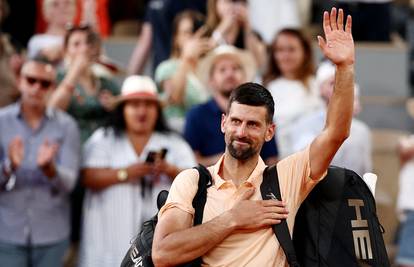
The clay turned red with shockwaves on Friday. Novak Djokovic, the eternal giant of tennis, fell. Not to a peer, not to a rival, but to a 19-year-old phenom named Joao Fonseca. Leading 2-0 in sets, the Serbian legend seemed destined for the fourth round. Instead, he witnessed chaos. Fonseca ignited the court, orchestrating one of the most staggering comebacks in the history of the sport. For the first time in his illustrious career, Djoković lost a match after holding a commanding two-set lead. History rewrote itself in Paris.
Empty Tank, Full Respect
"I ran out of fuel," Djoković confessed, his voice heavy with exhaustion. The physical toll was undeniable. "I didn't feel good on the court. In the third set, my energy dropped. At the end of the fourth, I thought I had chances, but he was playing good points, attacking, and serving well." The Serbian star did not hide his disappointment. "I am trying to be optimistic, but I just stepped off the court. Disappointment is the prevailing emotion." Yet, amidst the defeat, there was profound respect. Djoković praised Fonseca’s professionalism, power, and the backing of his nation. "He deserves the win and should be proud," he said, acknowledging the Brazilian’s potential to claim the biggest trophies.
A New Era Dawns?
Fonseca did not just win; he conquered. Every forehand opportunity became a weapon. Every break chance for Djoković was answered with aces—three in a row at a critical moment. The young Brazilian showed no fear, striking with the confidence of a champion. Djoković’s exit marks a seismic shift, a reminder that even legends bleed on the clay. The question now hangs over Roland Garros: Is this the dawn of a new era? The crowd witnessed destiny change hands. One giant fell, but another rose, fueled by youth and sheer audacity. The tennis world watches, breathless, as the next chapter begins.
fenerbahce were miles better this season tbh / honestly didn't see that coming lol / Djokovic just different class rn... / not convinced they can keep this up but we'll see