


Nico Schlotterbeck, the towering center-back for Borussia Dortmund and the German national team, has emerged as a focal point of discussion in European football circles. As speculation mounts regarding the 2026 FIFA World Cup qualifiers and the ongoing transfer saga surrounding his future, the 26-year-old defender is increasingly seen as a linchpin for Germany’s defensive resurgence. His recent performances have drawn attention not only from German media but also from clubs across the Balkans and wider Europe, where his style of play—combining physical dominance with technical precision—resonates with modern tactical trends. For Balkan audiences, Schlotterbeck’s rise mirrors the broader narrative of how Central European defenders are reshaping the continent’s competitive landscape.
The Rise of a Modern Defender
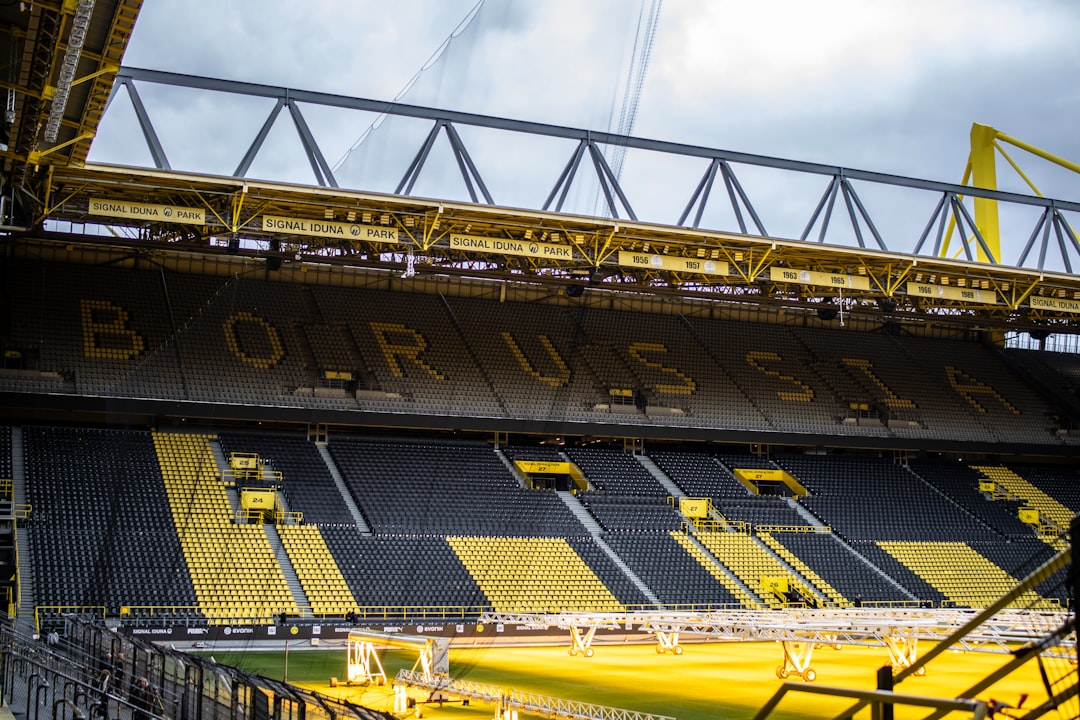
Schlotterbeck’s career trajectory has been marked by steady progression and tactical adaptability. After breaking through at SC Freiburg, where he established himself as a reliable presence in the Bundesliga, his move to Borussia Dortmund in 2022 signaled a new chapter. At the BVB, he has become integral to coach Edin Terzić’s system, often tasked with initiating play from the back and leading the defensive line against Europe’s top forwards. His aerial prowess and ability to read the game have made him a key asset in both domestic and Champions League campaigns.
What sets Schlotterbeck apart is his versatility. Unlike traditional center-backs, he frequently steps into midfield roles during build-up phases, a trait that aligns with the pressing-oriented systems favored by many Balkan coaches. His partnership with Mats Hummels, though sometimes tested by injury, has provided Germany with a robust defensive core. As the national team prepares for the upcoming World Cup cycle, Schlotterbeck’s consistency will be critical in maintaining the defensive solidity that coach Julian Nagelsmann seeks.
Transfer Speculation and European Interest
Despite his importance to Dortmund, Schlotterbeck has been linked with moves to elite clubs, including Bayern Munich and several Premier League sides. The speculation intensified after reports surfaced that his contract negotiations had stalled, leaving open the possibility of a departure in the summer transfer window. For Balkan football fans, this situation echoes similar narratives involving regional defenders who have leveraged their performances to secure high-profile transfers abroad.
The interest in Schlotterbeck reflects a broader trend in European football: the premium placed on defenders who can contribute to both defensive stability and offensive buildup. Clubs in the Balkans, such as Red Star Belgrade and Partizan, have long prioritized acquiring players with these attributes, recognizing their value in competitive European matches. Schlotterbeck’s potential move could signal a shift in how Central European talent is valued, with Balkan clubs potentially viewing him as a benchmark for their own defensive prospects.
Balkan Perspectives and Tactical Influence
While Schlotterbeck is German, his playing style has drawn comparisons to defenders who have thrived in Balkan football. His ability to engage in high pressing and maintain positional discipline mirrors the approaches of coaches like Siniša Mihajlović and Dragan Stojković, who have emphasized defensive organization in their respective clubs. For Balkan analysts, Schlotterbeck represents the ideal modern defender: physically imposing yet technically proficient.
The Balkan football community has also noted the influence of German tactical philosophy on regional leagues. Many Serbian and Croatian clubs have adopted elements of the Bundesliga’s high-intensity pressing systems, and Schlotterbeck’s success exemplifies the effectiveness of this approach. As Balkan teams continue to compete in European competitions, the tactical lessons drawn from players like Schlotterbeck will likely shape their defensive strategies in the coming years.
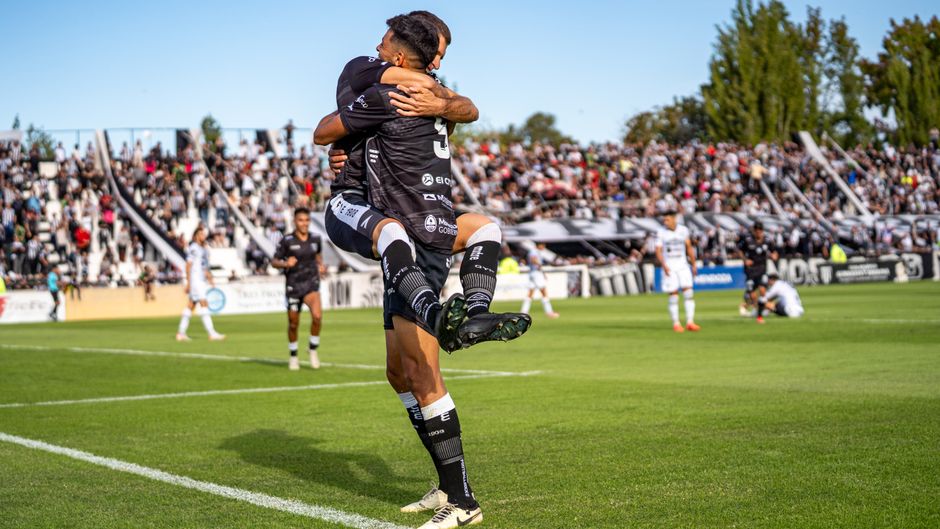
As the 2026 World Cup qualifiers approach, all eyes will be on Schlotterbeck’s ability to maintain his form and lead Germany’s defense. His potential transfer, however, adds an element of uncertainty to the national team’s preparations. For Balkan audiences, his story serves as a reminder of the interconnected nature of European football, where tactical innovations and player movements transcend borders. Whether he remains in Dortmund or moves to a new club, Schlotterbeck’s impact on the game—and its reflection in Balkan football—will continue to be closely watched. Fans should monitor his performances in the Champions League and national team matches, as these will define his legacy and influence on the sport’s evolving defensive paradigms.

Comments