


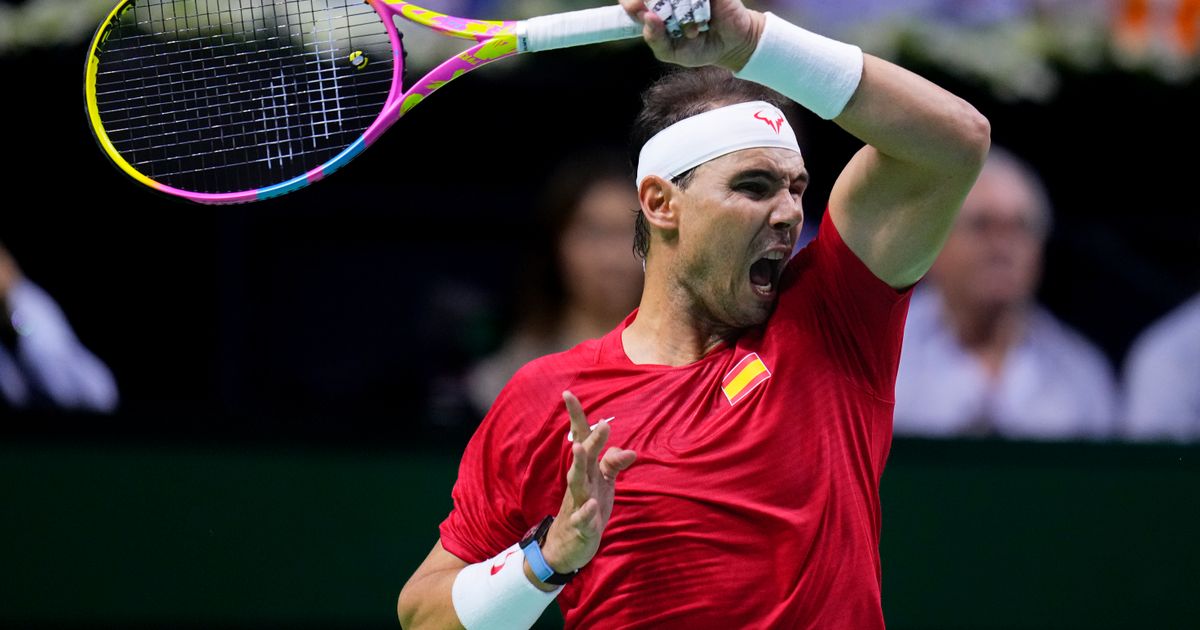
The man known as the King of Clay has worn a crown forged in fire, but for decades, he walked on a foundation of hidden agony. Rafael Nadal, the Rafael Nadal legend from Mallorca, has finally pulled back the curtain on the physical sacrifice that fueled his reign. In a startling new Netflix documentary, the 22-time Grand Slam champion reveals the true state of his left foot, a limb so severely deformed it defies medical logic and human endurance.
The Bone That Broke the Rules
The image is visceral. Where a normal arch should curve, a massive, grotesque protrusion juts from the bone structure. It is a visual testament to a private war waged in silence. Fans worldwide are left asking the same impossible question: How did a man with such a compromised foundation sprint across courts, slide into corners, and conquer the sport’s biggest stages? The answer lies in a diagnosis from 2005 that nearly ended his career before it began.
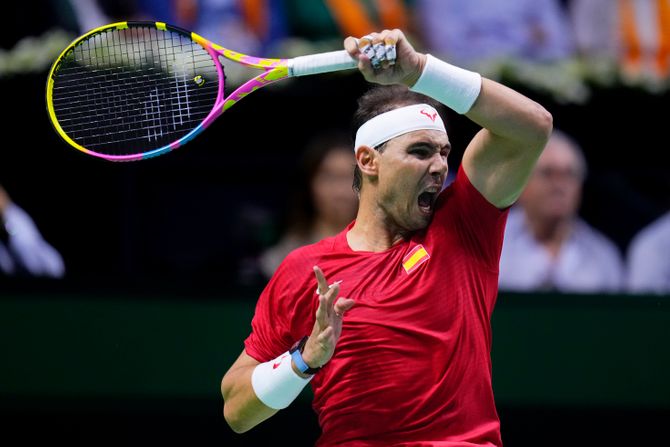
At just 19 years old, Nadal was told by multiple doctors that his playing days were over. He had been diagnosed with Muller-Weiss syndrome, a rare, degenerative condition affecting the navicular bone in the midfoot. It is a disease that crushes mobility, yet Nadal refused to let it crush his dream. The solution was not surgery, but adaptation. He began wearing custom orthotics and shoes with an extra seven millimeters of support, altering his entire biomechanics to compensate for the structural failure.
Pain as Fuel
"There were nights when the pain prevented me from sleeping," Nadal confessed, his voice heavy with the weight of memory. "I pushed my body to the absolute limits of endurance." He admitted that while they saved the foot, the rest of his body paid the price. The altered gait transferred stress to his knees, hips, and back, creating a cascade of injuries that dogged him throughout his career.
The extent of his suffering was laid bare during his final Roland Garos victory in 2022. To reach the summit one last time, Nadal required direct nerve injections to numb the foot, rendering it temporarily "dead" to pain so he could compete. It was a final, desperate act of will. The documentary does not just show a foot; it shows the architecture of a champion who refused to accept the limits of his own flesh.


Nadal ne var ne yok ngl, o sinir blokları olmadan nasıl o kadar uzun oynadı hala anlam veremiyorum, gerçek bir efsane tbh...