


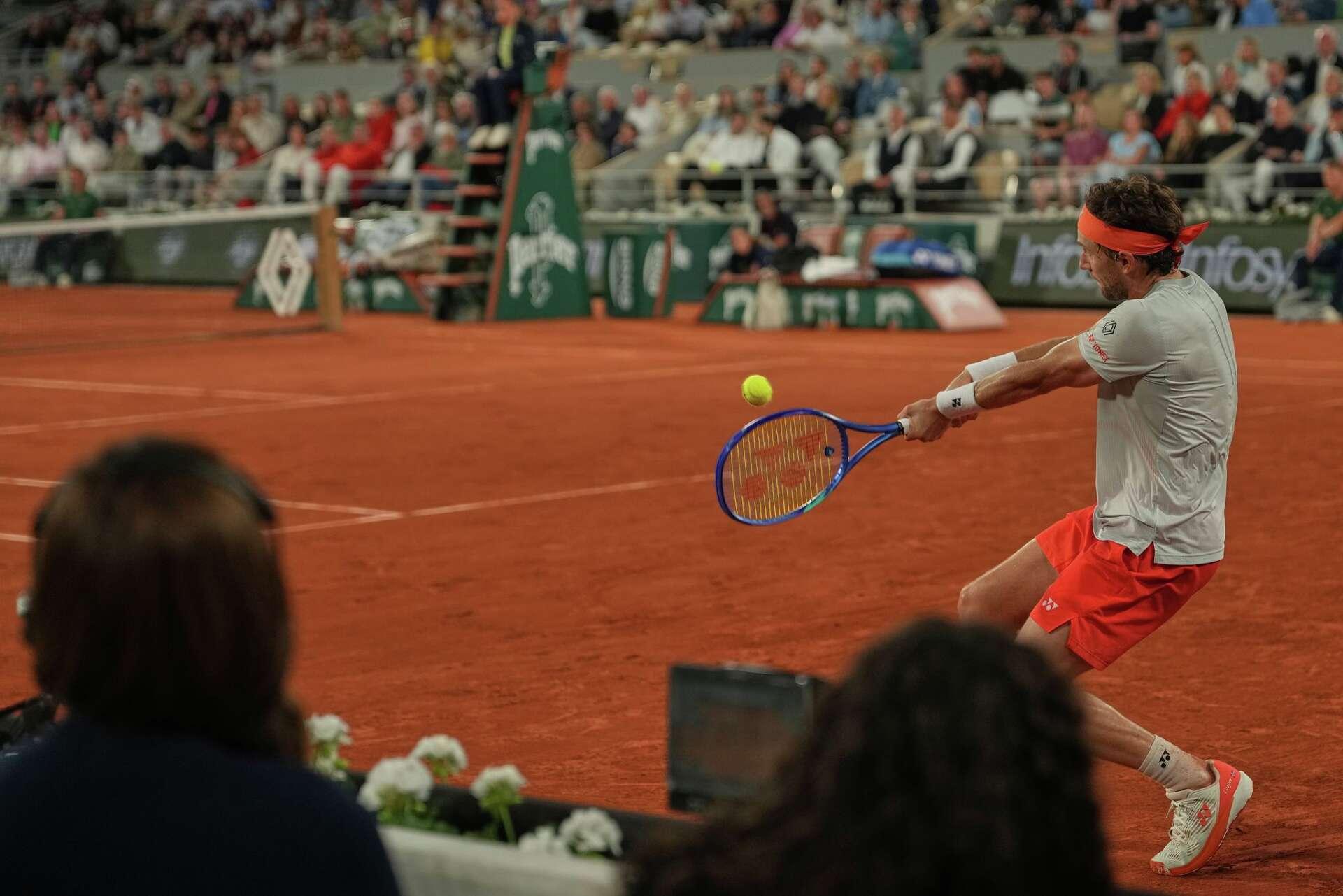
The clay courts of Paris have a way of keeping their secrets. While the rest of the Grand Slam world has bowed to the digital revolution, Roland Garos stands firm, stubbornly, defiantly human. Tournament director Amelie Moresmo has drawn a line in the dust, quite literally, refusing to let electronic line calling (ELK) dictate destiny on the red dirt. Why? Because the technology, she argues, simply isn't ready for the Parisian test.
The Ruud Controversy Ignites Debate
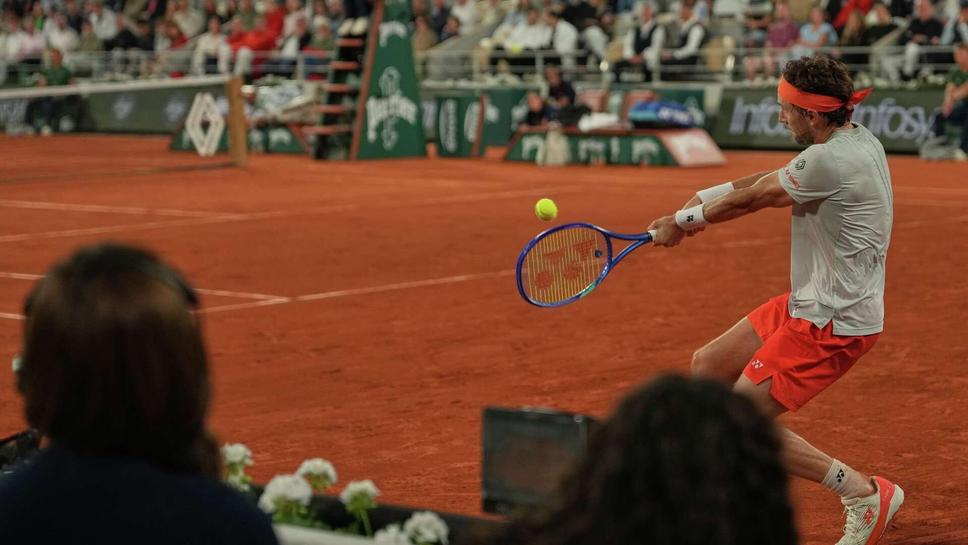
The argument didn't start with policy; it started with pain. On Sunday, Norwegian star Casper Ruud fell to Brazilian sensation Joao Fonseca in a grueling five-set thriller: 5:7, 6:7(8), 7:5, 2:6. The match turned on a dime during the second-set tiebreak. Fonseca unleashed a shot skimming the edge. Line judge Loys Engzel leapt from her chair, inspected the mark, and awarded the point to the Brazilian. But the cameras? The TV screens? They screamed "out." The discrepancy sent shockwaves through the stadium and social media alike. Ruud was stunned, but Moresmo remains unshaken.
Why Clay Defies Digital Precision
"We tested the system on preparatory clay tournaments, and we were convinced it is not fully reliable," Moresmo stated, citing AP reports. "Today, it does not work at 100%, so we will continue to trust the human eye." It’s a bold stance in an era where Wimbledon swapped line judges for sensors last year, and where Australian Open and US Open have long since automated their courts. Even the ATP and WTA tours have embraced electronic calls on clay. Yet, Paris holds out.
The culprit? The elements. Parisian weather is fickle, shifting winds and rain disrupting the digital tracking of the fuzzy yellow sphere. "We haven't received enough feedback to be convinced of introducing the system," Moresmo added. "The decision for 2026 is made. We will see for next year. We are open to new technologies we can rely on." She noted that Ruud himself wasn't entirely surprised by the ruling, given his reaction. For now, the human eye reigns supreme at the French Open, a final bastion of analog judgment in a digital age. Will the clay finally yield? Or will Paris keep its guard up?

Моресмо пак защитава старата школа, ама Рууд право да се ядоса, грешка беше нямаше. Не знам колко още ще държат на очите вместо камерите, но Париж е Париж...