


The Stage Is Set for Chaos
The countdown has begun. Weeks remain until the 2026 FIFA World Cup explodes across North America, and the landscape of global football has shifted beneath our feet. For the first time, the tournament expands to 48 nations, hosted jointly by the United States, Mexico, and Canada. The old guard of 32 teams is gone, replaced by a sprawling battlefield where giants can fall and dark horses can reign. Predicting the winner is no longer a science; it is a gamble.
Spain Rules, But Who Will Bite?
At the summit of the power rankings sits Spain, their young prodigies and tactical mastery making them the architects of destiny. They loom large over France and England, while the reigning champions, Argentina, sit quietly in fifth. The pressure is immense, but the path is cluttered. Look to the shadows. Japan has already stunned England and Scotland, proving they are not merely participants but predators. Ecuador, boasting midfield maestros like Moises Caicedo, lurks nearby. Even Egypt, armed with the lethal duo of Mohamed Salah and Omar Marmoush, threatens to tear through groups with the ferocity that saw them rack up 26 qualification points.
Modrić’s Last Stand
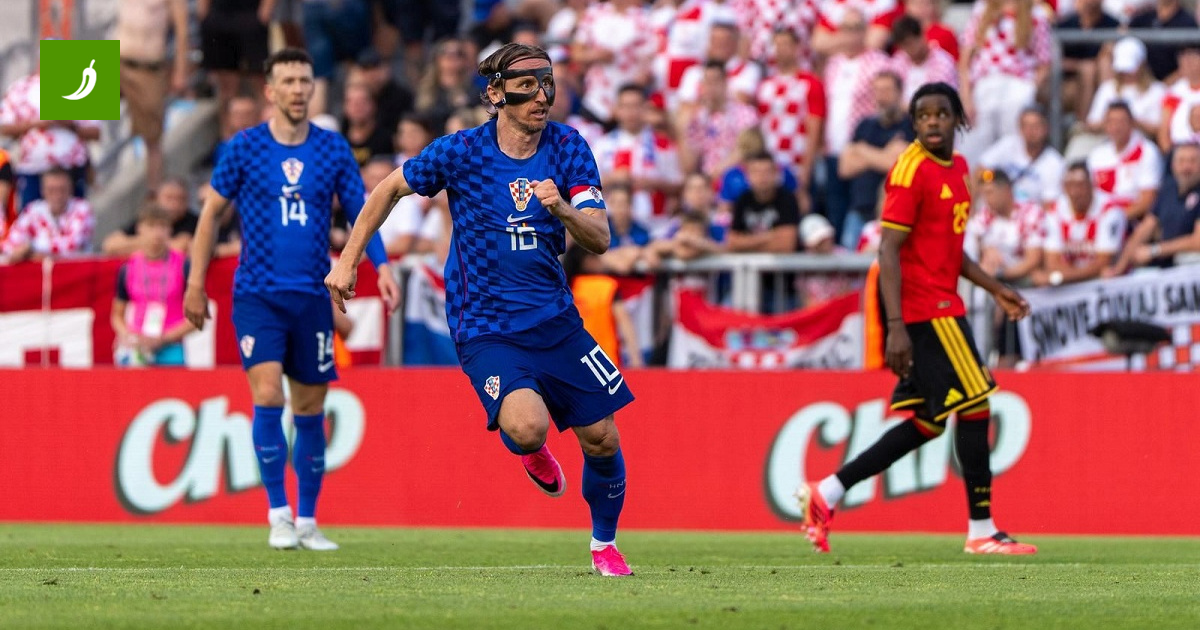
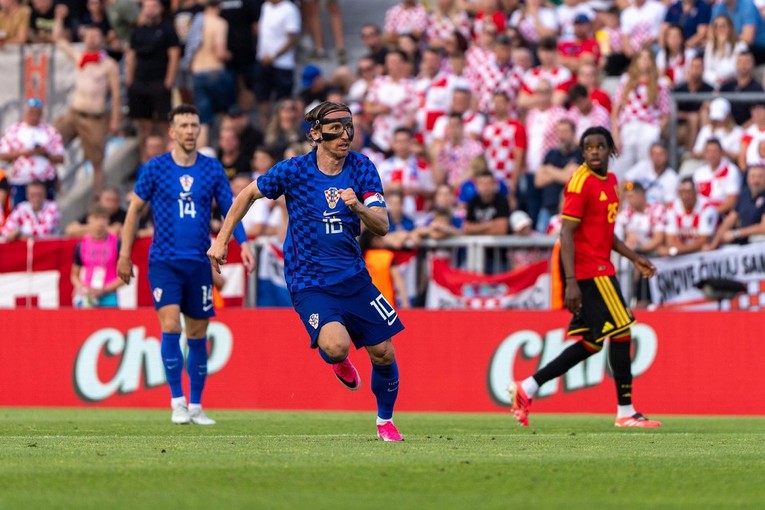
But all eyes turn to the heart of Europe. Croatia enters the fray ranked 15th, carrying the weight of expectation and the fire of finality. This is likely the last World Cup for the legendary Luka Modrić. At 40, he does not run; he dances. He does not chase the ball; he commands it. After falling just short in 2018, the desire to lift the trophy burns hotter than ever. They are flanked by Norway’s Erling Haaland, whose qualification campaign was a masterclass in efficiency, and hosts Mexico. Meanwhile, Morocco aims to replicate their semi-final magic, while Belgium’s golden generation fades, relying on Kevin De Bruyne to ignite sparks from an aging squad. The stage is set. The players are ready. History awaits.


modric at 40 is actually insane tbh. croatia might not win it but man he makes every game feel like a movie rn...