



Serbian football has been stirred by the unexpected return of Milan Vujadinović, a former national team star whose career was marred by legal controversies and a self-imposed exile. The 35-year-old striker, who last played professionally in 2019, has confirmed his intention to resume his playing career, citing a deep desire to reconnect with fans and clear his name. This development has sparked intense debate across the Balkans, where Vujadinović remains a polarizing figure known for his prolific goalscoring ability and his 2014 arrest in the United States for alleged drug trafficking. His announcement, made via social media and confirmed by local Serbian outlets, has reignited discussions about redemption in sports and the complex relationship between athletes and the law.
The news comes as Serbia prepares for a crucial period in international football, with the national team aiming to qualify for major tournaments. Vujadinović’s return is not just a personal story but a cultural moment, reflecting broader societal questions about forgiveness and second chances. While some fans welcome his comeback, others remain skeptical, pointing to his past actions. The Serbian Football Association (FSS) has yet to comment officially, but sources suggest that any formal return would require strict conditions and a period of evaluation. This situation mirrors other high-profile comebacks in European football, where players have returned after legal or disciplinary issues, though Vujadinović’s case is uniquely charged due to the severity of his past charges.
Background: From Superstar to Controversy
Milan Vujadinović rose to fame in the early 2010s, playing for top European clubs including Borussia Dortmund and FC Schalke 04. He was a key member of the Serbian national team, scoring crucial goals in World Cup qualifiers and earning a reputation as a dynamic and versatile forward. His peak years were marked by consistent performances and a growing global profile, making him one of Serbia’s most recognizable athletes. However, his career took a dramatic turn in 2014 when he was arrested in the United States on charges of attempting to import cocaine. The case led to his suspension from football and a significant decline in his public standing.
After serving a short prison sentence and returning to Serbia, Vujadinović largely withdrew from public life. He made sporadic appearances in media interviews, often expressing regret for his actions and emphasizing his efforts to rehabilitate. His last professional match was in 2019, playing for a lower-tier Serbian club, but he has since remained out of the spotlight. The recent announcement of his return has surprised many in the football community, as it was widely believed that his career was over. This sudden shift has led to speculation about the motivations behind his comeback, with some suggesting financial incentives and others pointing to a genuine desire to reclaim his legacy.
Significance: Redemption in Modern Football
Vujadinović’s potential return highlights a growing trend in modern football where players are given opportunities to redeem themselves after serious off-field issues. This trend is evident in various leagues across Europe, where clubs and federations are increasingly open to reintegrating players who have served their sentences and demonstrated genuine remorse. The case of Luis Figo, who faced criticism for his transfer to Real Madrid but later became a respected figure, offers a different but related example of how public perception can shift over time. However, Vujadinović’s situation is more complex due to the criminal nature of his past actions, which have left a lasting impact on his reputation.
The significance of his comeback extends beyond football, touching on broader social issues in Serbia and the Balkans. In a region where legal and judicial systems have faced criticism for corruption and inefficiency, Vujadinović’s case raises questions about the fairness of the justice system and the possibility of true rehabilitation. His return could serve as a test case for how society handles high-profile individuals who have made serious mistakes. If successful, it could pave the way for a more compassionate approach to athlete rehabilitation, emphasizing support and reintegration over permanent exclusion. However, if he fails to meet expectations or faces further controversies, it could reinforce negative stereotypes about athletes and the sports industry.
Balkan Angle: Public Reaction and National Identity
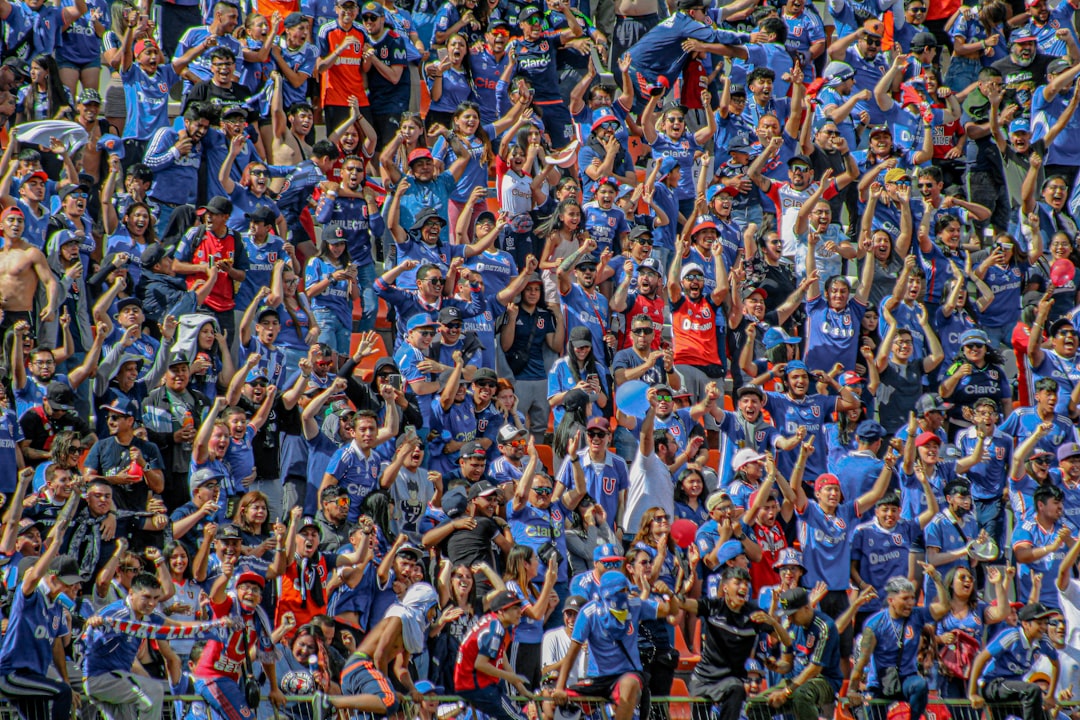
In Serbia, Vujadinović’s return has triggered a strong emotional response, with fans divided between those who view him as a fallen hero and those who see him as a symbol of moral decay. Social media platforms are flooded with comments, ranging from supportive messages to harsh criticism. This divide reflects deeper societal tensions in Serbia, where national pride and personal accountability are often at odds. The Serbian media has played a key role in shaping public opinion, with some outlets portraying Vujadinović as a victim of circumstance and others emphasizing the seriousness of his past crimes. This media landscape underscores the power of narrative in influencing public perception and the challenges of balancing justice with compassion.
The broader Balkan region is also watching this development closely, as similar cases of athlete rehabilitation have occurred in neighboring countries. In Croatia, for example, the return of Davor Šuker to public life after a period of controversy was met with mixed reactions, but ultimately led to a more nuanced understanding of his contributions to football. In Bosnia and Herzegovina, the case of Edin Džeko, who has faced criticism for his political statements, shows how athletes’ off-field actions can impact their careers and public standing. Vujadinović’s situation adds another layer to this regional discourse, highlighting the shared challenges and values that connect Balkan societies.
As the story develops, all eyes will be on the Serbian Football Association and potential clubs willing to sign Vujadinović. His return, if it happens, will be closely monitored for any signs of recurrence of past issues. For Balkan audiences, this is more than a sports story; it is a reflection of societal values and the ongoing struggle to balance justice with mercy. The outcome of Vujadinović’s comeback could set a precedent for how future cases are handled, making it a pivotal moment for Serbian and Balkan football. Fans, officials, and the public alike must decide whether they are ready to embrace a second chance for a former star who once stood at the pinnacle of his sport.
Comments