


A Goal That Broke the Silence
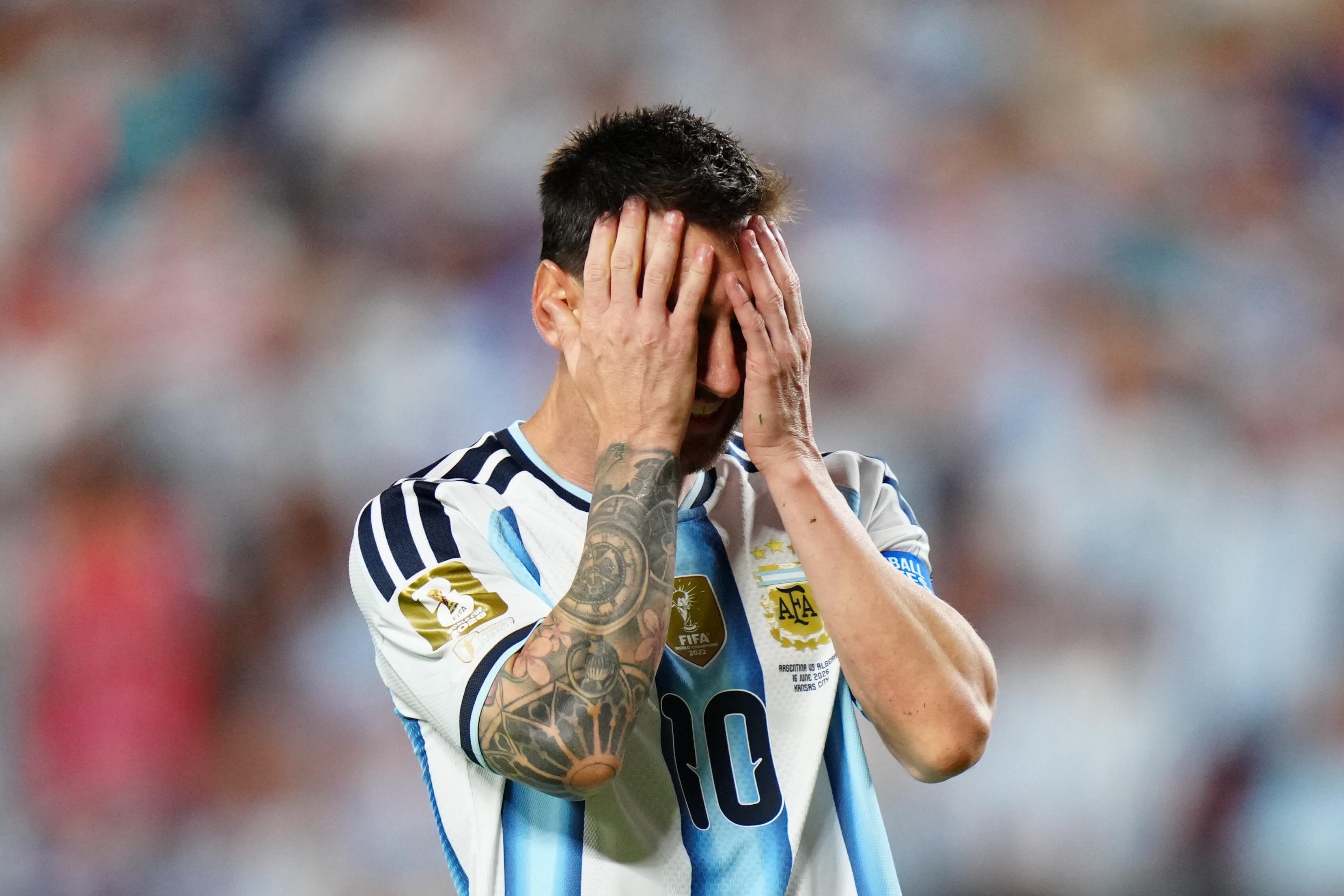
The roar of the crowd faded into a whisper. On the pitch, under the blinding stadium lights, Lionel Messi fell to his knees. It wasn’t just another goal. It wasn’t just another 3:0 victory over Algeria at the 2026 World Cup. For the Argentine captain, this moment carried a weight far heavier than gold medals or trophy cabinets. As the ball hit the net, the 37-year-old legend broke down in tears, leaving fans and pundits scrambling for answers. Was it pressure? Was it the burden of expectation? No. The truth was far more personal, far more raw.
The Ghost in the Locker Room
Messi refused to speak of it immediately. He offered only vague thanks to the "Albiceleste" camp, insisting the emotion wasn’t about football. But silence rarely stays silent for long. Eduardo Feiman, a respected journalist from Radio Mitre, pulled back the curtain. The revelation was heartbreaking. Jorge Messi, the 68-year-old patriarch who dragged his son’s dreams across the floor of Rosario and into the global spotlight, has been battling serious health issues since last year. This week, his condition worsened. The news hit Lionel hard. Every step on that pitch was a prayer. Every goal, a desperate attempt to outrun the fear creeping into his family life.
More Than a Player
This moment strips away the superhero narrative. Here was a man, stripped of his armor, weeping for his father while millions watched. The image of Messi crying isn’t a sign of weakness; it’s a testament to the human core beneath the legend. The Argentina squad rallied around him, but the pain was uniquely his. As the tournament continues, the question isn’t just about who will lift the trophy. It’s about how a man carries his heart on his sleeve while carrying the hopes of a nation. Football is destiny, yes, but family is the anchor. And right now, that anchor is heavy.

меси наистина е човек преди всичко друго... не очаквах толкова дълбока драма зад тези сълзи. надявам се баща му да се оправи скоро.