


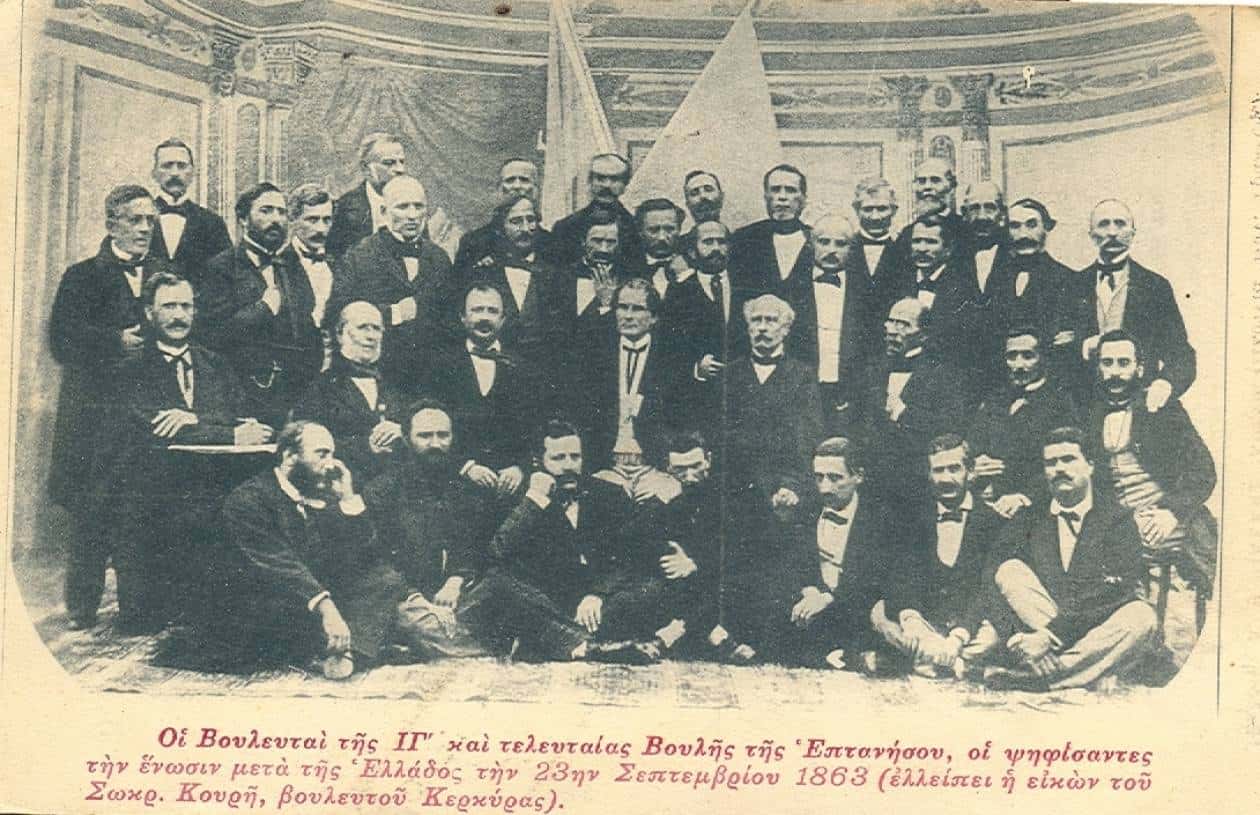
Corfu, along with the other Ionian Islands, established an autonomous state with its own flag and parliament (Ionian Parliament) in 1800 after Russia and Turkey agreed to this status. This was the first time the Greek people had the right to govern themselves since the fall of Constantinople in 1453.
During the seven years of autonomy, the economic and social life of Corfu improved dramatically. The first Ionian Academy (University) was founded, setting a precedent for education and cultural development.
The Changing Tides of Control
However, with the outbreak of the Russo-Turkish War, the Ionian State sided with the Russians. When the Russians were defeated, the Ionian Islands were occupied by the French for eight years. During this period, the Liston was built, modeled after Rivoli Street in Paris.
In 1815, the United State of the Ionian Islands was established, and Corfu remained under English protection for 49 years. The English built the church of Agios Georgios and barracks in the Old Fortress, among other structures.
The Path to Union
The Ionian Islands made numerous efforts for independence and union with the Greek state, which emerged in 1827. On May 21, 1864, the Ionian Islands officially became part of Greece following a treaty signed in London by the Great Powers. The Greek flag was hoisted at Corfu Castle, symbolizing the new union.
The then Greek state, with little experience and infrastructure, sought to benefit from the rich cultural and historical heritage of the Ionian Islands. The Ionian Academy, despite facing difficulties, played a significant role in the development of the Greek people and state during its early years.
READ MORE: Crowd in Corfu keep ‘botides’ tradition of pot-smashing alive (VIDEO).
Stay updated with the latest news from Greece and around the world on greekcitytimes.com.
Contact our newsroom to share your updates, stories, photos, or videos. Follow GCT on Google News and Apple News.


The union of the Ionian Islands with Greece was a pivotal moment in history, but do you think it had the impact it was intended to have? Or did it just add to the already complex tapestry of the Balkans?