


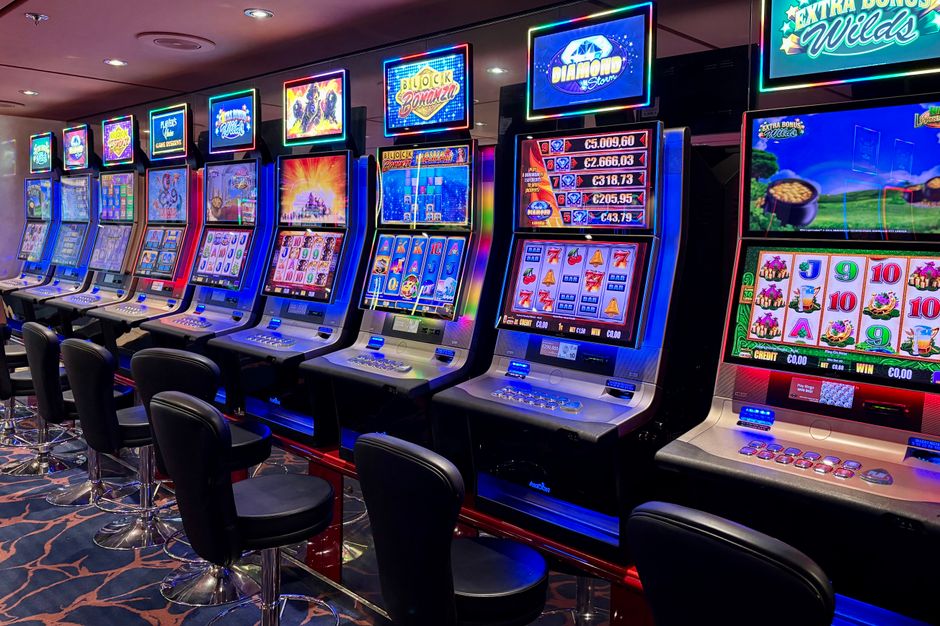
The name Maxbet has surged in search volume across the Balkans, reflecting a broader transformation in how sports enthusiasts in Southeast Europe engage with their favorite games. Once a niche operator, this online betting platform has become a household name in countries like Serbia, Croatia, Bulgaria, and North Macedonia. Its rise coincides with a massive shift in the regional sports landscape, where traditional media consumption is increasingly intertwined with digital wagering. For the average fan, Maxbet is no longer just a bookmaker; it is a central hub for live odds, real-time statistics, and high-profile sponsorship deals that dominate the sports pages of local newspapers and television broadcasts.
This trend is particularly significant given the Balkans' intense passion for sports, particularly basketball and football. The region produces some of the world's top talent, and the cultural significance of clubs like Crvena Zvezda, Partizan, or Real Madrid is immense. Maxbet's aggressive marketing strategy has leveraged this passion, securing partnerships with major leagues and high-profile athletes. As regulatory frameworks across the Balkans evolve to accommodate online gambling, understanding the impact of platforms like Maxbet is essential for comprehending the modern sports economy in the region. The company's growth mirrors the digitalization of leisure activities, offering instant access to global markets from local neighborhoods.

Strategic Partnerships and Market Dominance
Maxbet's rapid ascent is largely attributed to its strategic investment in high-visibility partnerships. In recent years, the brand has signed deals with some of the most prominent sports organizations in the Balkans. This includes title sponsorships for major basketball clubs and leagues, ensuring that the Maxbet logo is visible during every broadcast and on the jerseys of star players. These partnerships are not merely commercial; they integrate the brand into the fabric of local sports culture. For instance, the association with the Basketball Champions League or local top-tier divisions provides Maxbet with unparalleled exposure to millions of dedicated fans who tune in weekly for high-stakes matches.
Beyond club sponsorships, Maxbet has also secured deals with individual athletes, further humanizing the brand for younger demographics. These collaborations often feature social media campaigns, exclusive content, and promotional codes that drive user acquisition. The platform’s user interface, optimized for mobile devices, allows fans to place bets instantly while watching matches on their smartphones. This seamless integration of sports viewing and betting has changed consumer behavior, making wagering a real-time companion activity rather than a separate pastime. The availability of live streaming options within the app further cements its position as a one-stop destination for sports entertainment.
The financial backing behind Maxbet allows it to offer competitive odds and a wide variety of markets, from mainstream football and basketball to niche sports like table tennis and volleyball. This diversity appeals to a broad spectrum of bettors, from casual fans placing single bets on match outcomes to seasoned punters engaging in complex accumulators. The platform’s reliability and customer service infrastructure have also been key to building trust in a market that was previously dominated by unregulated operators. By providing a secure and transparent environment, Maxbet has captured a significant share of the legal online betting market in its core regions.

The Balkan Angle: Cultural Impact and Regulation
The impact of Maxbet extends beyond commercial success; it reflects the changing regulatory landscape in the Balkans. Countries like Serbia and Croatia have implemented stricter laws to regulate online gambling, aiming to protect consumers and ensure tax revenues are collected. Maxbet’s compliance with these regulations has allowed it to operate legally and gain a competitive edge over unlicensed competitors. This shift towards legalization is crucial for the long-term stability of the sports betting industry in the region. It encourages responsible gambling practices and provides a framework for dispute resolution, which enhances consumer confidence.
However, the rise of online betting also raises concerns about gambling addiction and its social implications. Local NGOs and health organizations have called for stricter advertising restrictions and better support systems for problem gamblers. Maxbet, like other major operators, faces increasing pressure to promote responsible gambling. This includes implementing self-exclusion tools, deposit limits, and age verification processes. The company’s ability to balance commercial growth with social responsibility will be a key factor in its continued acceptance by the public and regulators. The dialogue between industry players, government bodies, and civil society is ongoing, shaping the future of sports betting in the Balkans.
Furthermore, the digital nature of Maxbet’s operations has created new employment opportunities in the tech and marketing sectors. The company employs local talent in customer support, software development, and digital marketing, contributing to the regional economy. This local integration helps mitigate some of the criticism associated with foreign-owned corporations. By investing in local infrastructure and talent, Maxbet positions itself as a partner in the region’s digital transformation. The synergy between sports passion and technological innovation continues to drive the company’s growth, making it a central player in the Balkan sports ecosystem.
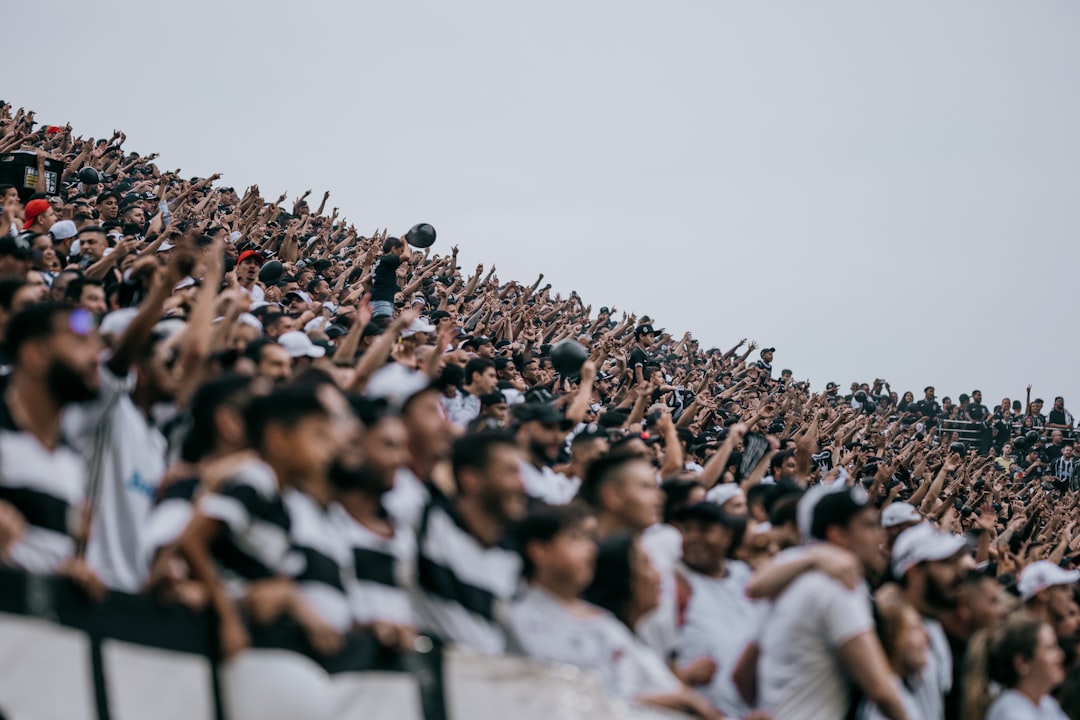
What to Watch For Next
As Maxbet continues to expand its footprint, several key developments will shape its future trajectory. One area to watch is the potential entry into new markets within the Balkans, such as Romania or Bosnia and Herzegovina, where regulatory frameworks are still evolving. The company’s ability to navigate these complex legal environments will determine its long-term success. Additionally, the integration of emerging technologies like artificial intelligence and blockchain could revolutionize the betting experience, offering personalized odds and enhanced security. Maxbet’s investment in these technologies will be crucial in maintaining its competitive edge.
Another critical factor is the changing landscape of sports sponsorship. As traditional media revenues decline, sports clubs and leagues are becoming increasingly reliant on digital sponsors like Maxbet. This trend is likely to accelerate, leading to more exclusive partnerships and deeper brand integration. Fans can expect to see even more prominent branding in stadiums, on broadcasts, and in digital content. The question remains whether this level of commercialization will affect the integrity and appeal of sports, or if it will simply enhance the fan experience through better production quality and engagement opportunities.
For the average reader, the rise of Maxbet is a sign of the times. It reflects a global trend towards digitalization and the monetization of sports fandom. Whether you are a casual bettor or a seasoned sports analyst, understanding the role of platforms like Maxbet is essential for navigating the modern sports landscape. The next few years will be critical in defining how these platforms evolve, how they are regulated, and how they impact the cultural fabric of the Balkans. Keeping an eye on regulatory changes, technological innovations, and consumer trends will provide valuable insights into the future of sports betting in the region.


Comments