



A magnitude 5.3 earthquake struck the southwestern Peloponnese region of Greece on Monday, sending shockwaves through the historic town of Methoni and causing widespread tremors felt across much of the Peloponnese peninsula. According to initial reports from the National Observatory of Athens, the seismic event occurred at a moderate depth, generating significant ground motion that rattled buildings, disrupted daily life, and triggered immediate safety protocols in affected municipalities. The quake serves as a stark reminder of the tectonic activity inherent to the region, which sits atop the complex boundary between the African and Eurasian tectonic plates.
The epicenter was located near the Messinia prefecture, a area known for its rich history and frequent seismic activity. Residents in Methoni, Pylos, and Kalamata reported feeling strong shaking, with some describing the experience as terrifying due to the intensity and duration of the tremors. While preliminary assessments indicate no major casualties, authorities have mobilized emergency services to inspect structural integrity and ensure public safety. The incident has reignited discussions about earthquake preparedness and building codes in one of Greece’s most seismically active zones.
Seismic Activity in the Peloponnese: A Geological Context
The Peloponnese is one of the most seismically active regions in Greece, situated along the Hellenic Arc, a major subduction zone where the African Plate dives beneath the Aegean Sea plate. This geological setting results in frequent earthquakes, ranging from minor tremors to significant events capable of causing substantial damage. The region has a long history of destructive quakes, including the devastating 1986 Kalamata earthquake, which claimed hundreds of lives and reshaped urban planning policies across southern Greece. Understanding this geological context is essential for interpreting the recent event and its potential implications.
Recent seismic monitoring by the Incorporated Research Institutions for Seismology and local Greek authorities indicates that stress accumulation along fault lines in the Messinia area has been increasing. The magnitude 5.3 quake, while significant, is within the range of expected activity for this zone. However, its location near populated areas like Methoni raises concerns about infrastructure vulnerability. Experts note that even moderate earthquakes can cause considerable damage to older, unreinforced structures, which are common in historic Greek towns. This underscores the importance of retrofitting and adhering to modern seismic building standards.

Impact on Local Communities and Infrastructure
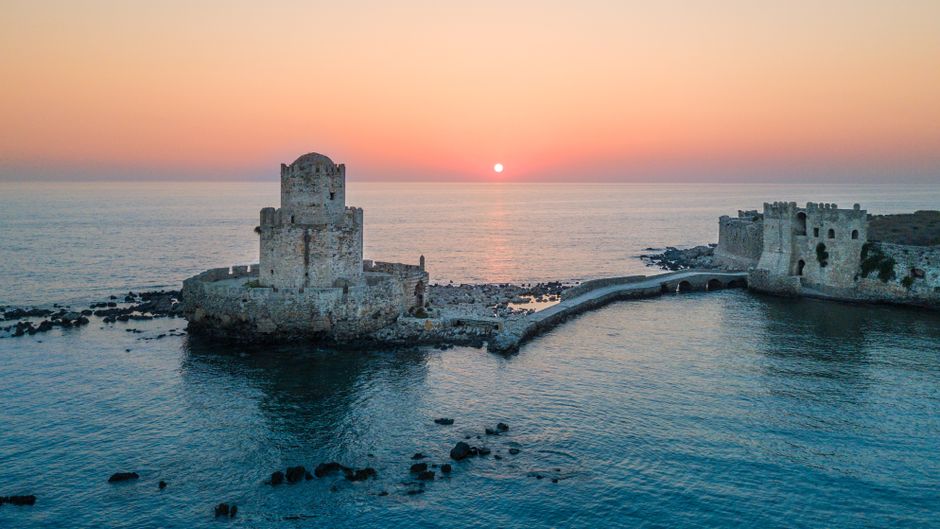
In Methoni, a picturesque Venetian fortress town, residents reported cracked walls and displaced objects, though no major structural collapses were immediately confirmed. Emergency teams from the Greek Ministry of Civil Protection were dispatched to assess damage and provide assistance to affected households. Schools and public buildings were temporarily closed as a precautionary measure, and local officials urged residents to remain vigilant and follow safety guidelines. The psychological impact on the community is also significant, as earthquakes often trigger anxiety and fear, particularly among those who have experienced previous seismic events.
The broader Peloponnese region, including cities like Kalamata and Tripoli, felt the tremors strongly, with some residents evacuating buildings out of caution. Power outages and minor disruptions to transportation networks were reported in isolated areas, but services were largely restored within hours. The economic impact, while not yet fully quantified, is expected to be limited, though insurance claims and repair costs may rise in the coming weeks. Local businesses, particularly in the tourism sector, are monitoring the situation closely, as visitor confidence can be sensitive to such events. The resilience of the community will be tested in the days ahead as recovery efforts begin.

Balkan and Regional Seismic Awareness
Earthquakes in Greece have implications beyond its borders, particularly for the wider Balkan region, which shares similar tectonic vulnerabilities. Countries like Albania, Bulgaria, and Turkey also face significant seismic risks due to their proximity to active fault lines and subduction zones. The recent quake in the Peloponnese serves as a reminder of the interconnected nature of seismic hazards in Southeast Europe. Regional cooperation in monitoring, early warning systems, and disaster response is increasingly recognized as essential for mitigating risks and saving lives. Organizations like the European-Mediterranean Seismological Centre play a key role in facilitating this collaboration.
For Balkan audiences, the event highlights the importance of earthquake preparedness and public education. Many communities in the region have experienced devastating quakes in recent decades, from the 1999 Izmit earthquake in Turkey to the 2019 Albania quake. These events have underscored the need for robust building codes, community drills, and accessible emergency information. The Greek incident reinforces the message that no region is immune to seismic threats, and proactive measures are vital for reducing vulnerability. International media coverage and social media sharing have also amplified awareness, prompting discussions on resilience and safety across the Balkans.
What to Watch For Next
In the immediate aftermath, authorities are focusing on damage assessment and ensuring the safety of residents. Aftershocks are expected, which is typical following a magnitude 5.3 event, and the public is advised to remain cautious and follow official guidance. Structural engineers and geologists will analyze the quake’s characteristics to better understand the underlying fault dynamics and refine risk models for the region. This data will inform future urban planning and infrastructure investment decisions, aiming to enhance long-term resilience.
For readers and regional stakeholders, this event underscores the ongoing need for vigilance and preparedness. As climate change and urbanization add new layers of complexity to disaster management, seismic risk remains a persistent challenge. Staying informed through reliable sources like the National Observatory of Athens and local civil protection agencies is crucial. The response to this earthquake will also serve as a test case for Greece’s disaster management capabilities, offering lessons that could benefit neighboring countries facing similar geological threats. The story of the Peloponnese quake is not just about a single event, but about the broader narrative of living with seismic risk in the Balkans.



Comments