


The Romanian music scene witnessed a rare convergence of cultural icons in Cluj-Napoca this week, as legendary singer Loredana Groza headlined a spectacular performance following the prestigious Transilvania International Film Festival (TIFF). The event, held at the city's iconic Arena Cluj, drew thousands of fans and marked a significant moment in local entertainment history. Groza was joined on stage by two of Romania's most recognizable public figures: Olympic gymnastics gold medalist Nadia Comăneci and veteran television presenter Andreea Esca. This collaboration highlights a growing trend in Eastern European media, where musical performances are increasingly serving as platforms for cross-generational dialogue and national pride.
The concert was not merely a musical showcase but a cultural statement, emphasizing the enduring appeal of Groza, often referred to as "Queen Loredana." Her presence in Cluj-Napoca, a city known for its vibrant arts scene, underscored the region's importance in the Romanian cultural calendar. The attendance of Comăneci and Esca added layers of significance, bridging the gap between sports history, television entertainment, and popular music. For audiences in the Balkans and beyond, such events demonstrate how regional stars maintain relevance through collaborative efforts that resonate with diverse demographics.
A Night of National Icons
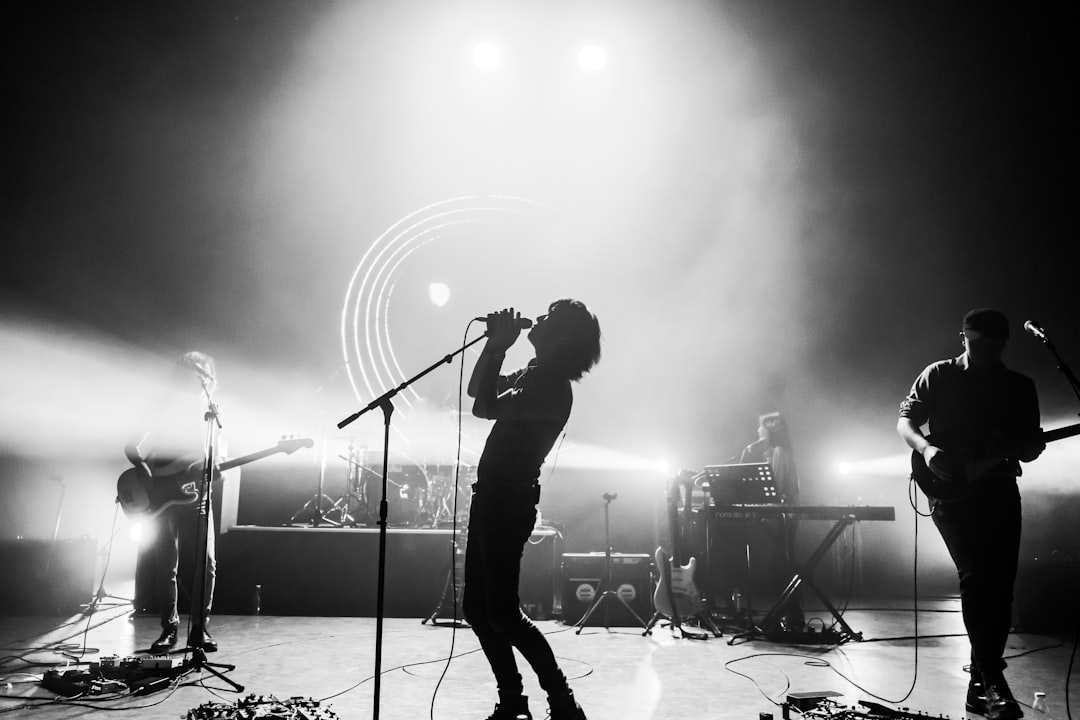
Loredana Groza, who rose to fame in the late 1990s with hits like "Măi, Loredana," remains a dominant force in Romanian pop-folk music. Her recent performance in Cluj-Napoca featured a medley of her greatest hits, showcasing her powerful vocals and stage presence. The singer’s ability to command large arenas has cemented her status as a cultural staple, particularly among older demographics who have followed her career for decades. However, the inclusion of younger collaborators and media personalities signals an effort to engage new audiences while honoring her legacy.
Nadia Comăneci, the first gymnast to score a perfect 10 at the 1976 Montreal Olympics, is a global symbol of athletic excellence. Her appearance at the concert was met with thunderous applause, reflecting her continued adoration in Romania. Comăneci’s presence adds a layer of historical weight to the event, reminding attendees of the country’s rich sporting heritage. The juxtaposition of Groza’s musical artistry with Comăneci’s athletic prowess creates a unique narrative of Romanian achievement, appealing to fans of both culture and sports.
Andreea Esca, a prominent television presenter and actress, further diversified the event’s appeal. Known for her work in talk shows and variety programs, Esca’s participation bridges the gap between traditional media and live entertainment. Her interaction with Groza and Comăneci on stage highlighted the interconnected nature of Romania’s celebrity landscape. This trio represents different facets of public life—music, sports, and media—uniting them in a single, memorable performance that resonates with a broad audience.
Cluj-Napoca as a Cultural Hub
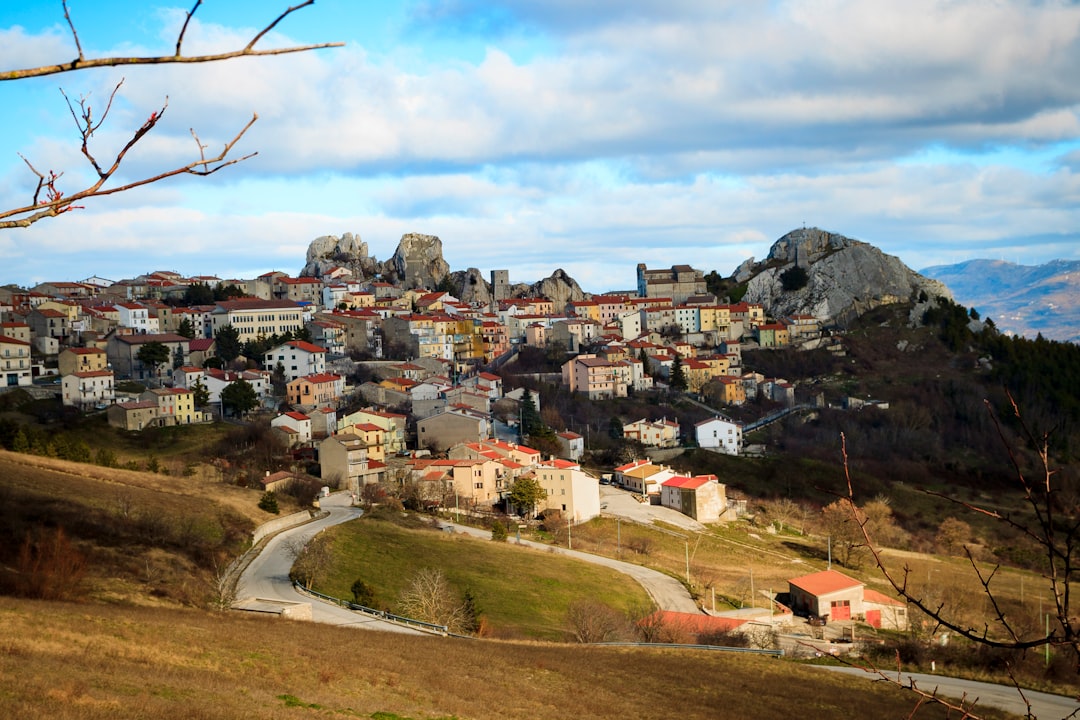
Cluj-Napoca, often dubbed the "Cultural Capital of Transylvania," has emerged as a key venue for major artistic and entertainment events in Romania. The city’s modern infrastructure, including the Arena Cluj, allows it to host large-scale concerts and festivals that attract national and international attention. The recent TIFF event, which precedes the concert, sets a tone of artistic excellence, making the city a prime location for high-profile performances. This synergy between film and music festivals enhances Cluj-Napoca’s reputation as a dynamic cultural hub.
The choice of Cluj-Napoca for Groza’s concert is strategic, tapping into the city’s young, educated population and its vibrant nightlife. The event contributes to the local economy by attracting tourists and boosting hospitality services. Moreover, it reinforces the city’s role in promoting Romanian culture on a national stage. For the Balkan region, where cultural events often serve as points of regional pride, Cluj-Napoca’s success story offers a model for other cities looking to leverage their artistic heritage.
The concert’s success also reflects the broader trend of urban cultural revitalization in Eastern Europe. Cities like Cluj-Napoca are investing in public spaces and events that foster community engagement and artistic expression. This approach not only entertains but also educates, exposing audiences to diverse forms of cultural production. The presence of global icons like Comăneci alongside local stars like Groza illustrates the city’s ambition to be a crossroads of international and national culture.
Impact on the Regional Entertainment Landscape
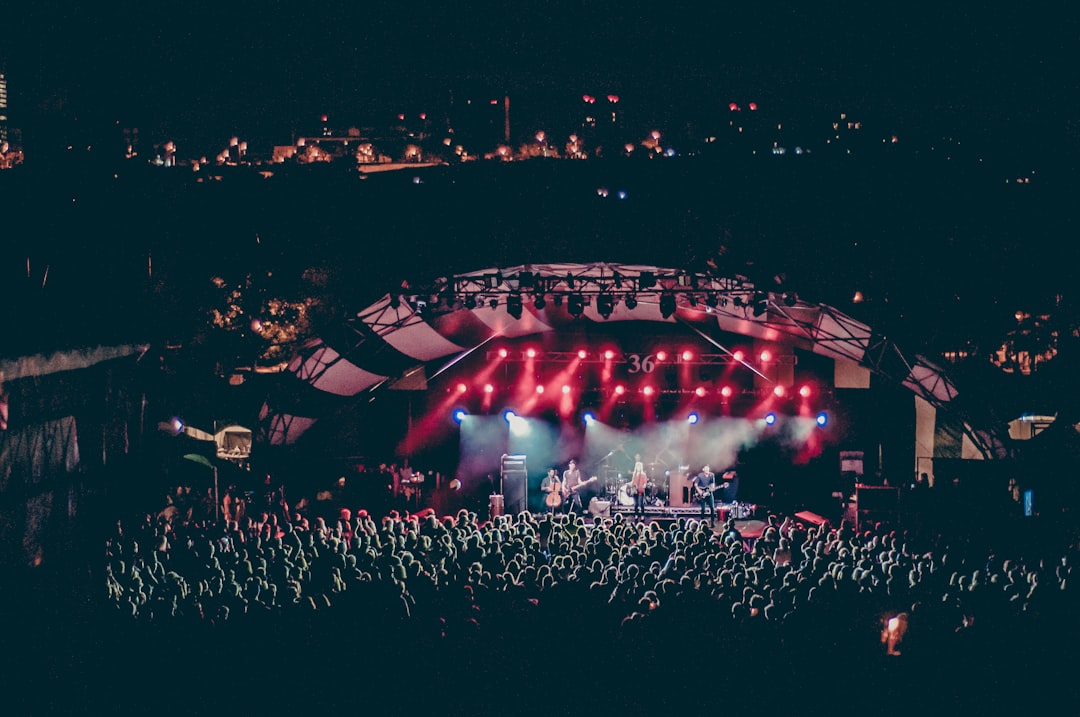
The collaboration between Loredana Groza, Nadia Comăneci, and Andreea Esca signals a shift in how Romanian entertainment is packaged and consumed. By combining music, sports, and media personalities, organizers are creating multi-dimensional experiences that appeal to a wider audience. This model could influence other events in the Balkans, where cross-disciplinary collaborations are becoming increasingly common. The success of such events demonstrates the potential for regional stars to leverage their combined influence to create impactful cultural moments.
For international audiences, this event offers a glimpse into the vibrant cultural landscape of Romania. The presence of globally recognized figures like Comăneci helps to contextualize Groza’s local fame, making her appeal more accessible to outsiders. Similarly, Esca’s media presence provides a familiar touchpoint for viewers accustomed to television personalities. This blend of local and global elements enriches the cultural exchange, fostering greater understanding and appreciation of Romanian arts.
Looking ahead, the concert in Cluj-Napoca sets a precedent for future collaborations in the region. Organizers and artists are likely to explore more interdisciplinary projects that bring together diverse talent pools. This trend could lead to more innovative performances that challenge traditional boundaries between art forms. For fans in the Balkans and beyond, the promise is clear: more dynamic, engaging, and culturally significant events that celebrate the region’s rich heritage and contemporary creativity.
The next time a major cultural event is announced in Romania or the broader Balkan region, audiences should look for similar cross-generational and cross-disciplinary partnerships. These collaborations not only entertain but also reinforce national identity and regional pride. As Loredana Groza, Nadia Comăneci, and Andreea Esca have shown, the power of united cultural icons lies in their ability to inspire and connect people across different walks of life.


Comments