


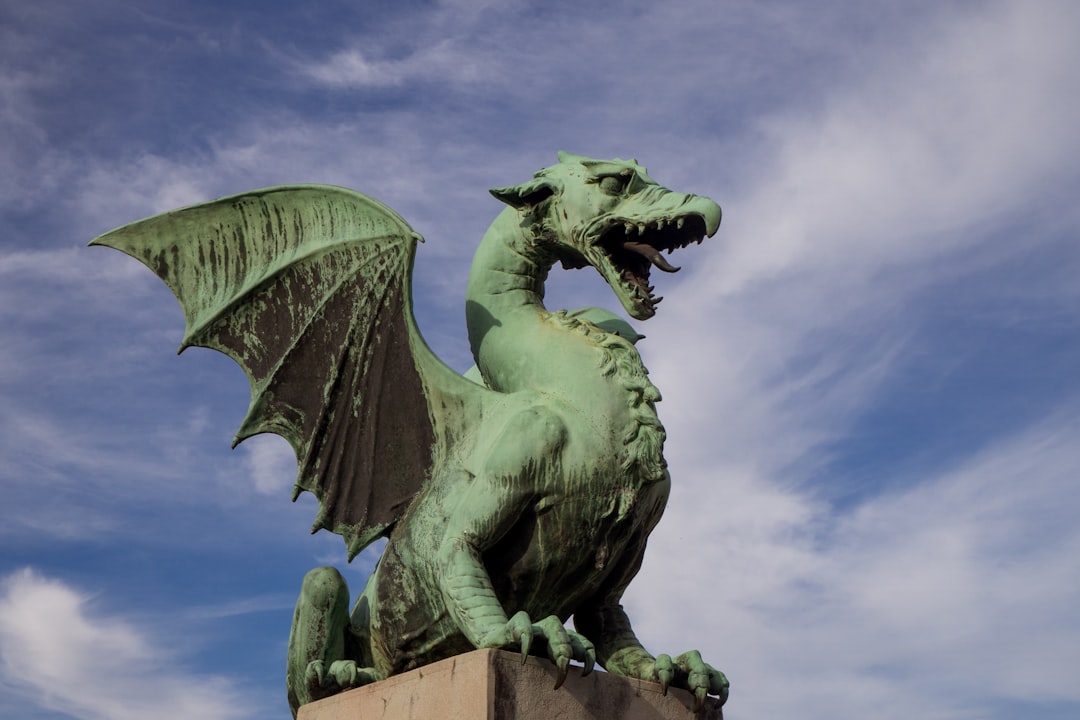
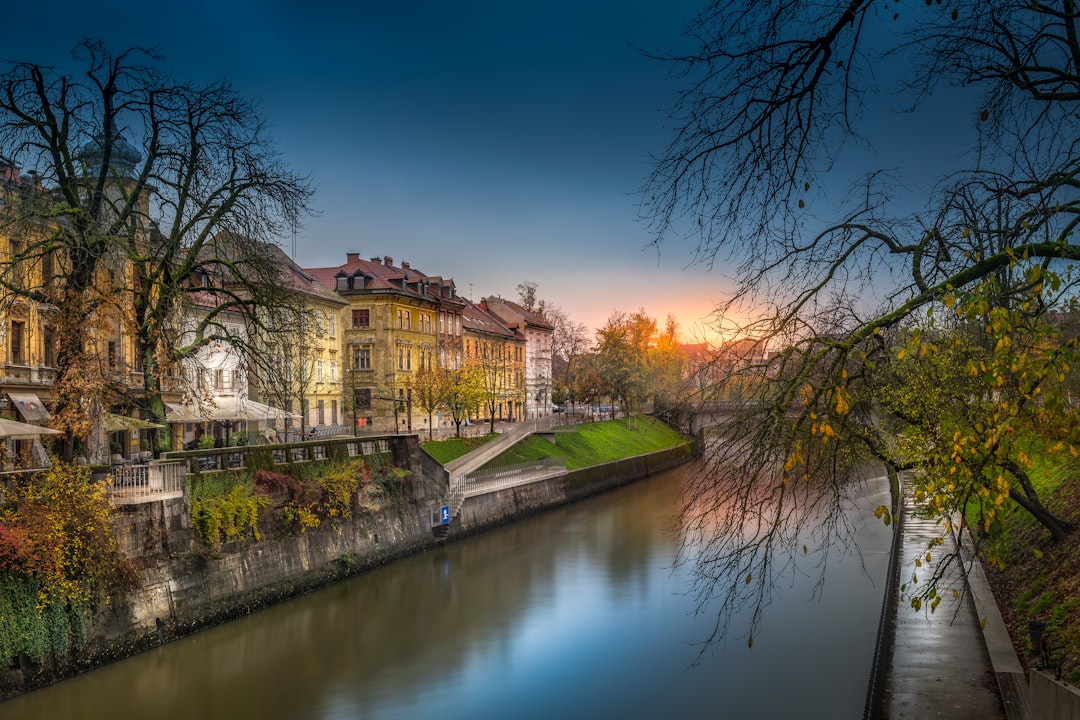
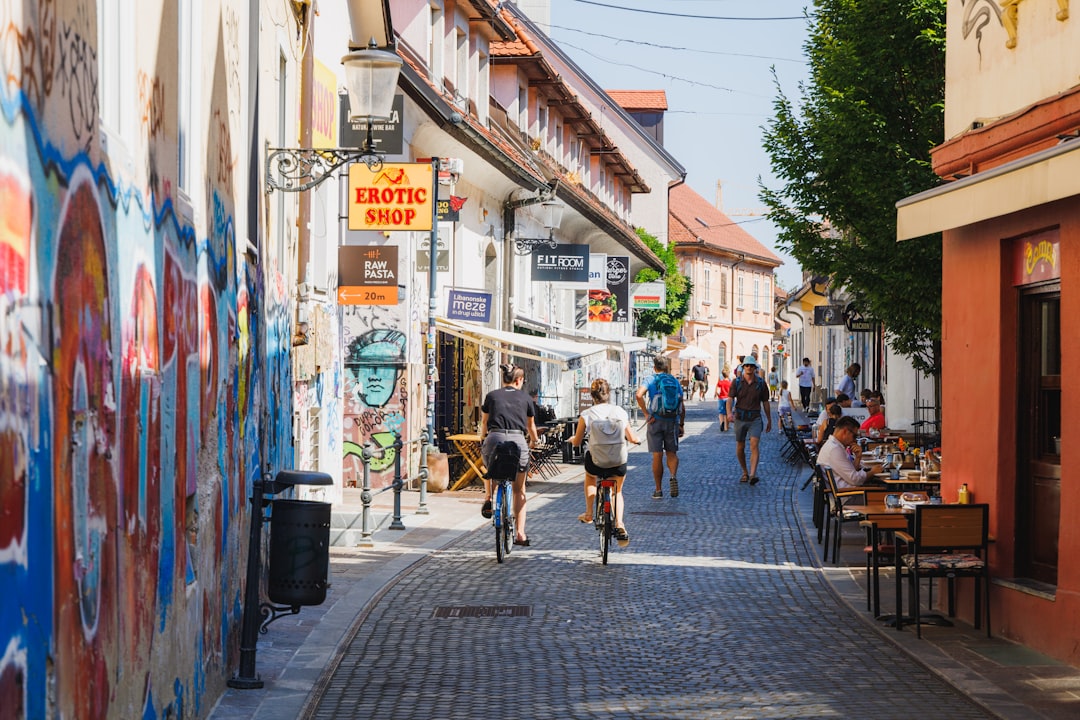
I am sitting on a mossy bench near the Ljubljanica River, watching a tram glide silently past a dragon statue that looks like it was plucked from a heavy metal album cover. The air smells of roasted chestnuts, diesel from a distant delivery truck, and the damp, earthy scent of a city that has decided to stop apologizing for being alive. This is Ljubljana, and it feels less like a capital city and more like a very well-managed, aggressively green village that forgot to grow up. I came here expecting the usual Balkan grit, the kind that sticks to your socks in Sofia or Belgrade. Instead, I got bicycles, vegan bakeries, and a municipal government that seems to treat cars like unwanted guests at a wedding.
The irony is palpable. This is a city that survived the Yugoslav wars relatively unscathed, only to wage a different kind of war: one against concrete, exhaust fumes, and the soulless sprawl of modern urban planning. The result is a place that feels almost too curated, too clean, too "on brand." But you cannot deny the energy. The streets are wide, the cafes are overflowing, and the people move with a casual confidence that suggests they know they live in one of the most sustainable cities in Europe. I spent three days trying to find a flaw, a crack in the facade, and all I found was a dragon bridge that actually works.
History & Identity
Ljubljana's identity is inextricably linked to its geography. Built on a triangle of land where the Ljubljanica River meets the Sava, the city has always been a crossroads. Historically, it was a Roman settlement known as Emona, and traces of that grid still underpin the modern street layout. But the city's true character was forged in the 19th and 20th centuries, when it became a cultural hub for Slovenian nationalism and later, a key city in Yugoslavia. The architecture reflects this layered history: Art Nouveau facades stand next to brutalist concrete blocks, which are now being softened by green roofs and vertical gardens.
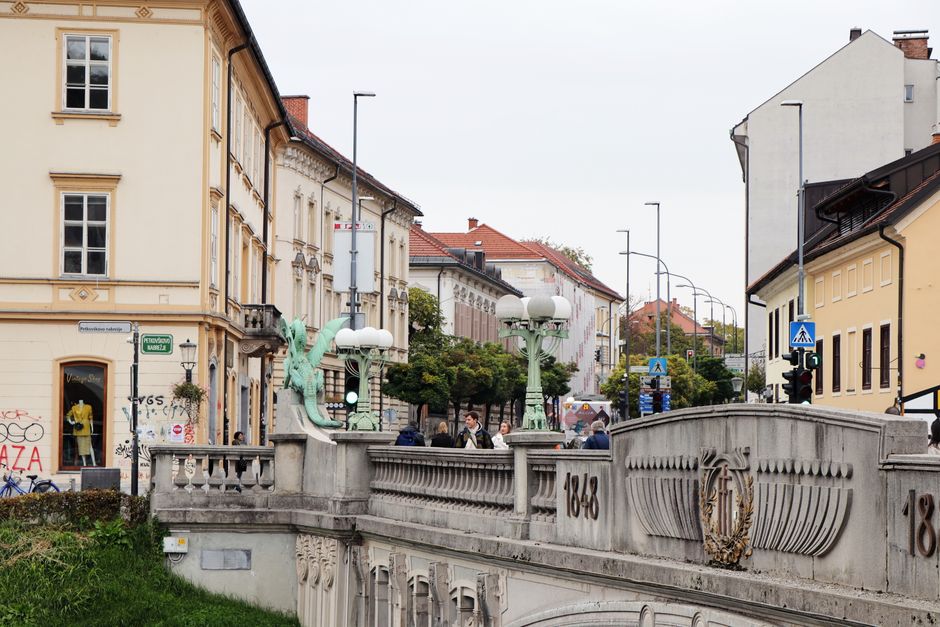
The modern identity of Ljubljana, however, is defined by one man: Janko Božič, the former mayor who declared the city center car-free in 2007. This was not a gradual transition; it was a revolution. Božič removed parking spaces, installed bike lanes, and invited artists to reclaim public spaces. The result was a city that transformed from a congested provincial town into a model of sustainable urbanism. The Dragon Bridge, built in 1901, became a symbol of this new era. Once a functional bridge for cars and pedestrians, it is now a pedestrian-only landmark, its bronze dragons watching over a city that has chosen people over pistons.
This shift has not been without controversy. Some locals grumble about the lack of parking, and tourists complain about the "tourist trap" prices in the city center. But the data is clear: Ljubljana has reduced traffic congestion, improved air quality, and boosted its economy through tourism and quality of life. The city is now a global case study in green urbanism, proving that sustainability is not just an environmental imperative but an economic one.
Where to Go
Dragon Bridge — The iconic symbol of Ljubljana, designed by architect Max Fabiani and sculptor Ivan Vavpetič. The four bronze dragons are not just decorative; they are functional, serving as lamp posts. The bridge is a pedestrian-only zone, making it a perfect spot for people-watching. It connects the city center to the Tivoli Park area. Entry is free, and it is best visited at night when the lamps are lit.
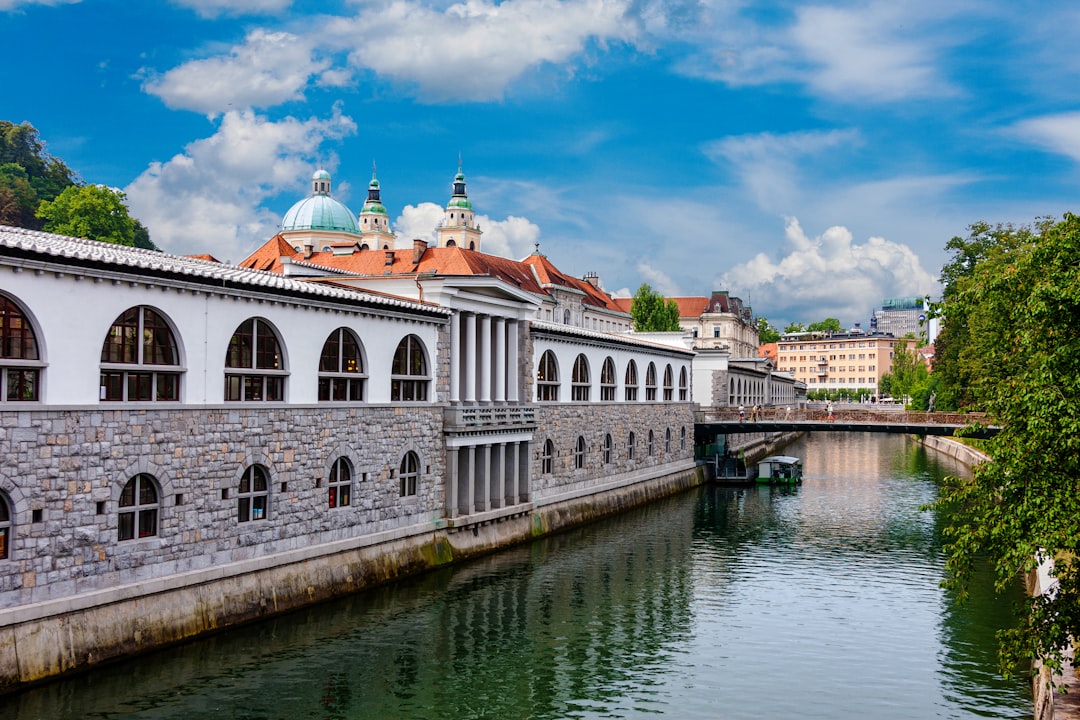
Central Market — A sprawling open-air market that has been the heart of Ljubljana's commerce since the 19th century. The market is housed in a mix of historic buildings and modern structures, with vendors selling everything from fresh produce to handmade crafts. It is a sensory overload of colors, smells, and sounds. The market is a key part of Ljubljana's sustainability efforts, promoting local agriculture and reducing food miles. Entry is free, and it is open daily from early morning until early evening.
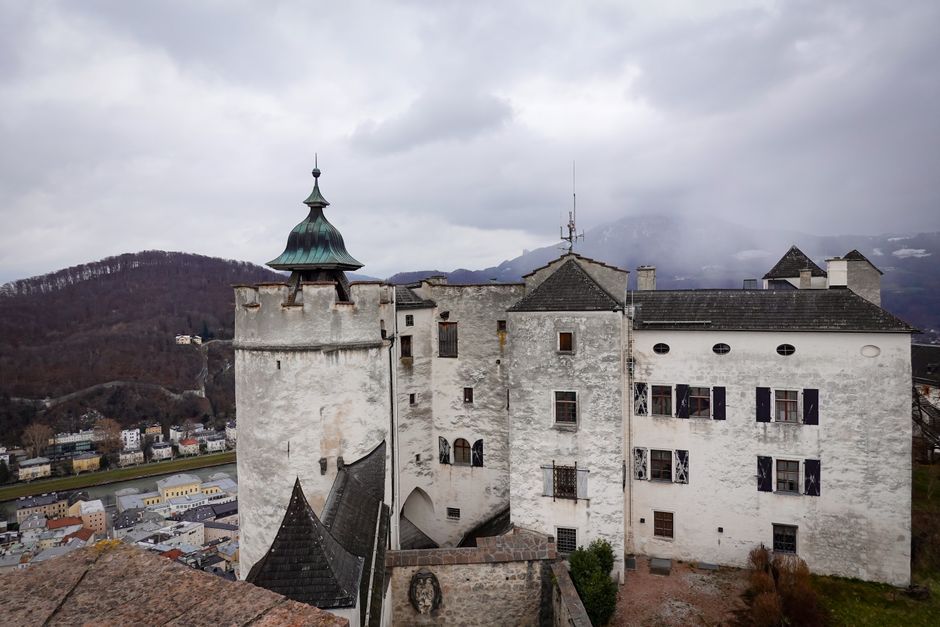
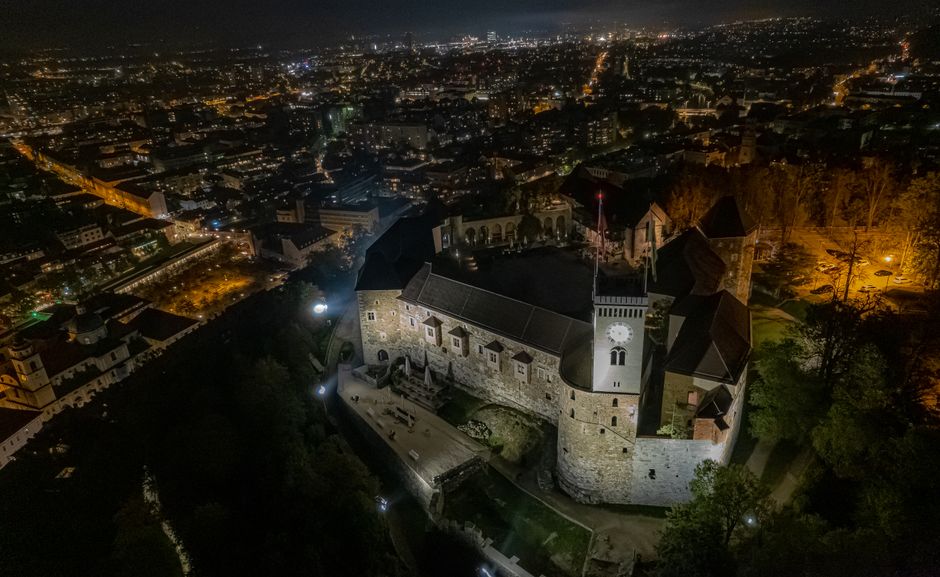
Ljubljana Castle — Perched on a hill above the city, the castle is a medieval fortress that has been renovated into a cultural and tourist destination. You can reach it by funicular, bus, or on foot. The castle offers panoramic views of the city and the surrounding Alps. Inside, there are exhibitions on the history of Ljubljana and Slovenian culture. Entry fee is 10-15 EUR for adults, and it is best visited in the morning to avoid crowds.
Tivoli Park — A large urban park that serves as the green lung of Ljubljana. The park is a mix of formal gardens, woodlands, and sports facilities. It is a popular spot for locals to jog, picnic, and relax. The park is home to several cultural institutions, including the Slovenian National Gallery and the House of Metelkova, an alternative cultural center. Entry is free, and it is best visited in the afternoon for a leisurely walk.
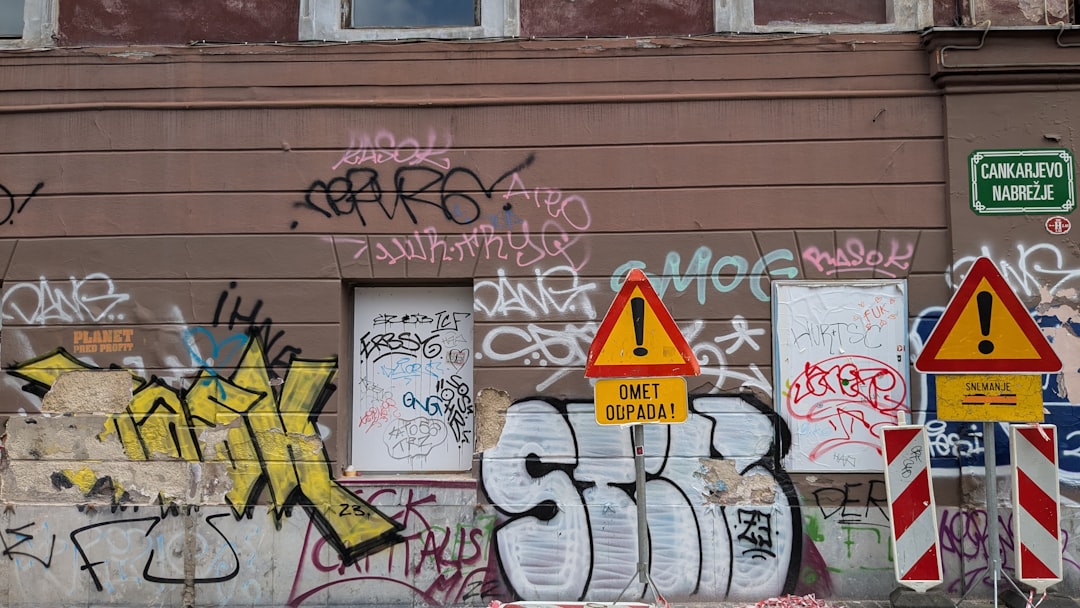
Metelkova Mesto — A former military barracks that has been occupied by artists and activists since 1993. It is now a vibrant hub for alternative culture, with galleries, bars, and clubs. Metelkova is a testament to Ljubljana's commitment to grassroots creativity and social activism. Entry is free, and it is best visited at night to experience the nightlife.
What to Eat & Drink
Ljubljana's food scene is a reflection of its sustainability ethos. Local restaurants prioritize organic, seasonal ingredients, and many are committed to reducing food waste. The Central Market is the best place to start, where you can sample fresh cheese, cured meats, and local wines. Here are some must-try dishes:
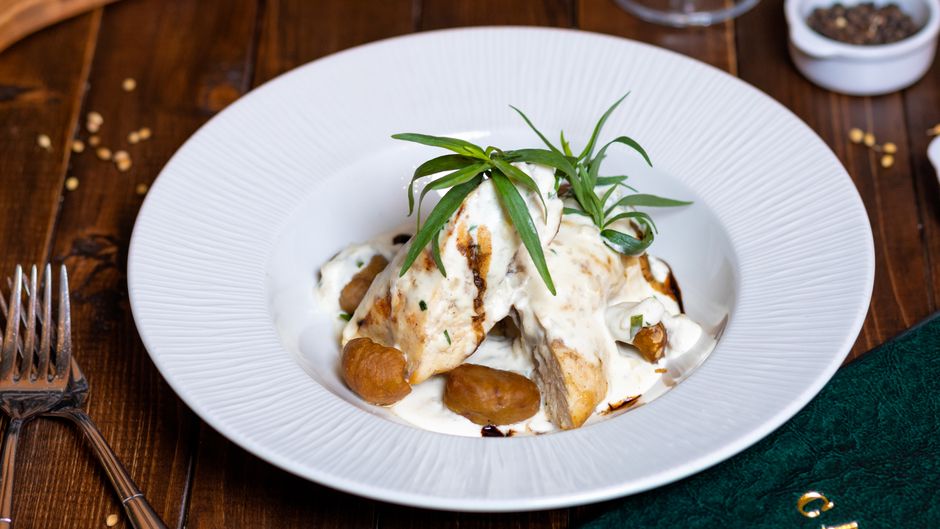
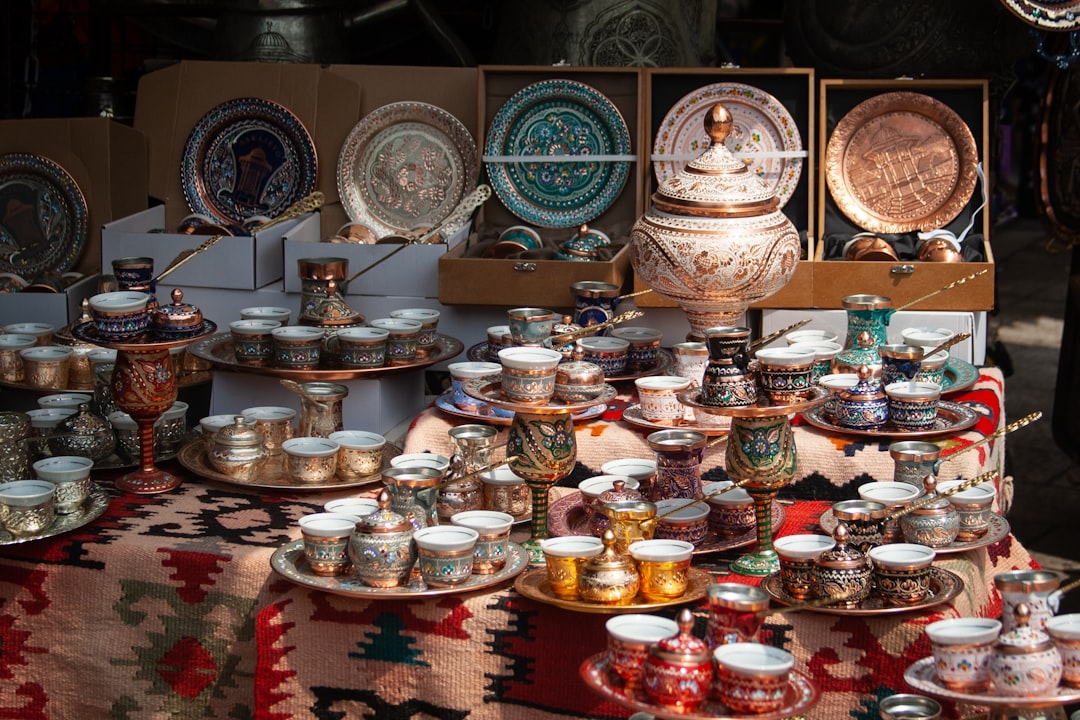
Štruklji — Rolled dumplings filled with cheese, poppy seeds, or meat. A Slovenian staple, often served as a side dish or main course. Price: 6-8 EUR. Potica — A traditional rolled cake filled with walnut or poppy seed mixture. A sweet treat that is perfect for breakfast or dessert. Price: 3-5 EUR. Idrianski žlikrofi — Small dumplings from the Idrija region, served with cream sauce and mushrooms. A hearty dish that is a local favorite. Price: 10-12 EUR. Bosnian Coffee — Strong, unfiltered coffee served in a džezva. A ritualistic experience that is best enjoyed slowly. Price: 2-3 EUR.
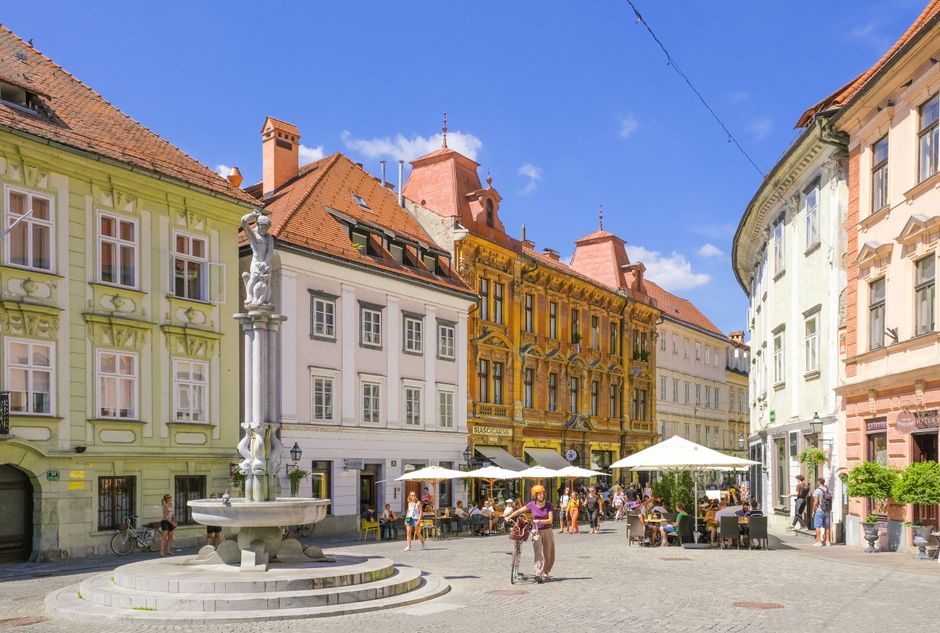
Budget travelers can find meals for 5-10 EUR at local bakeries and take-away spots. Mid-range restaurants offer set menus for 15-25 EUR, while fine dining experiences can cost 40-60 EUR per person. The most famous food street is Prešeren Square, surrounded by cafes and restaurants. For budget options, check out the food courts in the Central Market or the student-friendly spots near the University.
Nightlife
Ljubljana's nightlife is concentrated in the city center and the Metelkova district. The city is known for its vibrant club scene, with venues ranging from underground techno clubs to laid-back jazz bars. The most popular nightlife area is Metelkova Mesto, where you can find a mix of alternative bars and clubs. Šubičev Zwikrč is a historic tavern that serves local beers and hosts live music. Klub Metelkova is a larger venue that hosts international DJs and bands.
For a more upscale experience, head to Bar Grolman, a stylish rooftop bar with views of the castle. Cover charges range from 5-10 EUR, and drinks are priced at 5-8 EUR per cocktail. The nightlife scene is diverse, with options for every taste and budget. The city is also known for its festivals, including Ljubljana Jazz Festival and Spletni Festival, which draw visitors from across the region.
Getting There & What to Expect
Ljubljana is well-connected by air, rail, and road. The nearest airport is Ljubljana Jože Pučnik Airport, located about 30 km from the city center. Buses and taxis are available, with fares starting at 10-15 EUR. The city is also a major rail hub, with direct connections to Zagreb, Vienna, and Belgrade. Bus travel is a budget-friendly option, with fares ranging from 15-30 EUR depending on the destination.
Accommodation in Ljubljana ranges from budget hostels to luxury hotels. Budget hostels charge 20-40 EUR per night, while mid-range hotels cost 60-100 EUR per night. Luxury hotels can cost 150-300 EUR per night. The best time to visit is between May and September, when the weather is mild and the city is alive with festivals and outdoor activities. Ljubljana is a walkable city, with most attractions located within the city center. Public transport is efficient, with trams and buses covering the entire city. A daily pass costs 3-5 EUR.
Search accommodation in Ljubljana on Booking.com →
The Green Dragon's Breath
I leave Ljubljana with a sense of unease, not because the city is bad, but because it is so good. It is a place that has managed to escape the entropy that plagues most urban centers. The streets are clean, the air is fresh, and the people seem genuinely happy. But there is a sterility to it, a lack of the chaotic energy that makes cities like Belgrade or Sofia feel alive. Ljubljana is a museum of sustainability, a showcase of what is possible when a city decides to take control of its own destiny. It is a place to admire, to learn from, and perhaps to envy. But it is not a place to live. I return to the Dragon Bridge, watching the tram glide by, and I wonder if the dragons are smiling or sneering. The answer, perhaps, is both.
Comments