


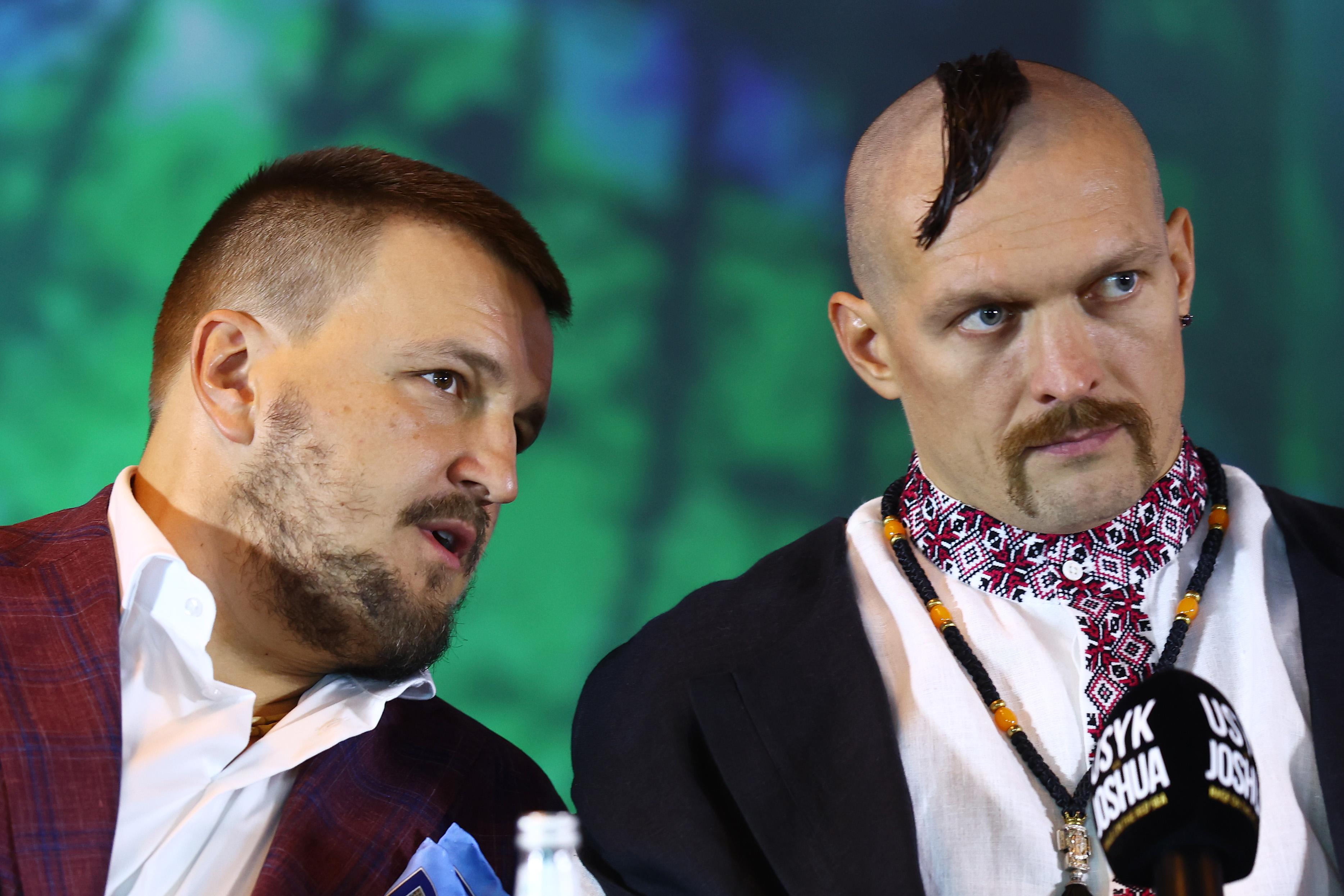
The bell has rung, the gloves are off, and the verdict is in. Oleksandr Usyk stands victorious, but the shadow of retirement looms larger than ever. After a gritty, hard-fought triumph over Richard Commey in Giza, the boxing world is holding its breath. But it wasn’t the judges’ scorecards that sparked the debate—it was the voice of a man who knows the game inside out. Alex Krasjuk, Usyk’s former promoter, has dropped a bombshell: the Ukrainian titan is showing signs of wear, and it might be time to hang up the gloves.
Weight, Will, and the Psychological Toll
Let’s cut through the hype. Krasjuk didn’t mince words. He pointed out the brutal math of heavyweight boxing: Commey carried 15 kilograms of pure, functional muscle mass over Usyk. That’s not fat; that’s a battering ram. Add to that Commey’s lionhearted resilience and a corner team that included some of the sharpest tactical minds on the planet, and you have a recipe for chaos. But the real killer? The mental load. Commey had nothing to lose but gained fame and fortune. Usyk? He risked everything—his legacy, his immortality, his place in history. One slip, and the statue crumbles.
Slowing Steps, Heavier Feet
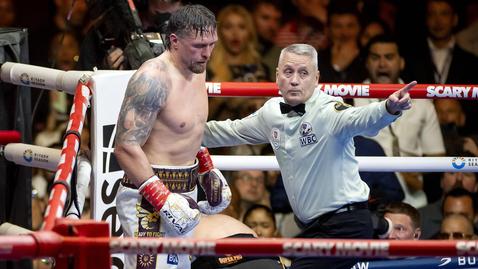
Watch the tape. Before the 11th round, Krasjuk had only scored three rounds for Usyk. Why? The movement was gone. The legendary footwork, the dance that defined his career, had turned into a stand-and-bang brawl. Usyk was heavier than ever, trading speed for power, planting his feet to throw haymakers rather than weaving through punches. It’s a natural decay, Krasjuk argues, but a dangerous one. "You can’t get younger," he said. "It’s natural, and there’s nothing you can do about it."
The Final Bell
So, what’s the verdict? Krasjuk’s advice is stark: retire. Now. While the crown still shines. He suggested Usyk’s next opponents should be his wife Katerina Usyk, his children, and his business ventures. "It’s better to leave a minute early than two minutes late," Krasjuk warned. The message is clear: don’t let the sport take the legend. Preserve the myth. Walk away while you’re still the king, not when the throne is empty.


честно не очаквах Красюк да говори така публично lol. Усик наистина изглеждаше по-бавен срещу Коми, стъпките му бяха малко... тежки. не знам дали ще го послуша обаче, той обича ринга твърде много. кой знае...