


Belgrade’s basketball landscape is shifting as KK Partizan navigates a critical summer transition period. The club, a staple in the EuroLeague and the Adriatic League, is redefining its roster strategy following the departure of key veteran figures. At the center of the recent transfer news is the exit of Greek forward Giannis Kalates, whose move to PAOK signals a broader trend of experienced players seeking stability in the Greek Basket League. For Partizan, this departure is not merely a roster change but a strategic pivot. The club must now balance the loss of Kalates’ leadership and playmaking with the need to inject youth and maintain their competitive edge in Europe’s premier club competition. The stakes are high, as Partizan aims to secure another deep run in the EuroLeague playoffs while maintaining domestic dominance in the Serbian League.
The Kalates Departure and Greek League Connections
Giannis Kalates, a seasoned veteran with a rich history in European basketball, has officially signed with PAOK for a two-year deal. The deal, reported to be worth approximately €2.4 million, underscores the continued appeal of the Greek Basket League for high-level players. Kalates, known for his versatility and defensive intensity, brings significant experience to Thessaloniki’s club. His departure from Belgrade marks the end of an era for Partizan fans who grew accustomed to his court presence and leadership during crucial moments. The move highlights the interconnected nature of Balkan basketball, where players frequently traverse borders between Serbia and Greece, carrying tactical knowledge and competitive spirit with them. For PAOK, acquiring Kalates is a statement of intent to challenge the traditional powerhouses of the Greek league.
For Partizan, losing a player of Kalates’ caliber requires immediate recalibration. The club’s management has acknowledged the need to replace his specific skill set, particularly in terms of secondary playmaking and defensive versatility. This has triggered a wave of speculation regarding potential replacements, with scouts reportedly evaluating candidates across Europe. The financial implications of such a transfer also resonate within the club’s broader budgetary strategy. Partizan has historically operated with a mix of high-profile imports and developing local talent, and the Kalates exit forces a test of this model. Can the club maintain its EuroLeague standing without a veteran of his stature, or will this opening allow younger players to step into the spotlight?

Strategic Roster Reconstruction for EuroLeague Success
The heart of Partizan’s current challenge lies in reconstructing the roster for the upcoming EuroLeague season. The competition has become increasingly competitive, with new formats and financial disparities reshaping the hierarchy. Partizan, under the guidance of head coach Zvezdan Mitrovic, must ensure that the new signings fit both the tactical system and the physical demands of the league. The club has been active in the transfer market, targeting players who offer immediate impact and long-term potential. This approach reflects a broader trend in European basketball, where clubs are prioritizing versatility and defensive capability over raw scoring prowess. The integration of new players will be critical, as chemistry on the court often determines success in the latter stages of the season.
Partizan’s domestic success in the Serbian League and the ABA League remains a priority, but it is the EuroLeague performance that defines the club’s global reputation. The club’s infrastructure, including its youth academy, continues to produce talent that can be integrated into the first team. This homegrown pipeline offers a sustainable advantage, allowing Partizan to compete with clubs that have significantly larger budgets. The current summer window is an opportunity to reinforce this model by adding complementary imports who can elevate the performance of local players. The synergy between experienced veterans and emerging talents will be the key metric for evaluating the success of this off-season strategy.

The Balkan Basketball Ecosystem and Fan Expectations
The significance of Partizan’s moves extends beyond the club itself, reflecting the broader dynamics of the Balkan basketball ecosystem. The region is a talent hub for European basketball, with Serbia, Greece, and Croatia producing a disproportionate number of players in the EuroLeague. Transfers like Kalates’ move to PAOK illustrate the fluidity of this market, where players and coaches frequently exchange borders. This interconnectedness fosters a high level of competition but also creates challenges for clubs trying to maintain stability. Partizan’s ability to navigate this landscape will be watched closely by other Balkan clubs, as it sets a precedent for how traditional powers can adapt to changing financial and competitive realities.
For the fans, the summer period is a time of intense speculation and anticipation. The Stark Arena, Partizan’s home court, is known for its passionate atmosphere, which serves as a significant advantage in home games. The club’s management understands that fan support is a critical component of their success, and they have worked to maintain transparency during the transfer process. The upcoming pre-season friendly matches will provide the first opportunity for fans to evaluate the new roster. These games are not just about fitness but about building confidence and establishing the team identity for the season ahead. The connection between the club and its supporters remains a cornerstone of Partizan’s culture, driving expectations for high performance and resilience.
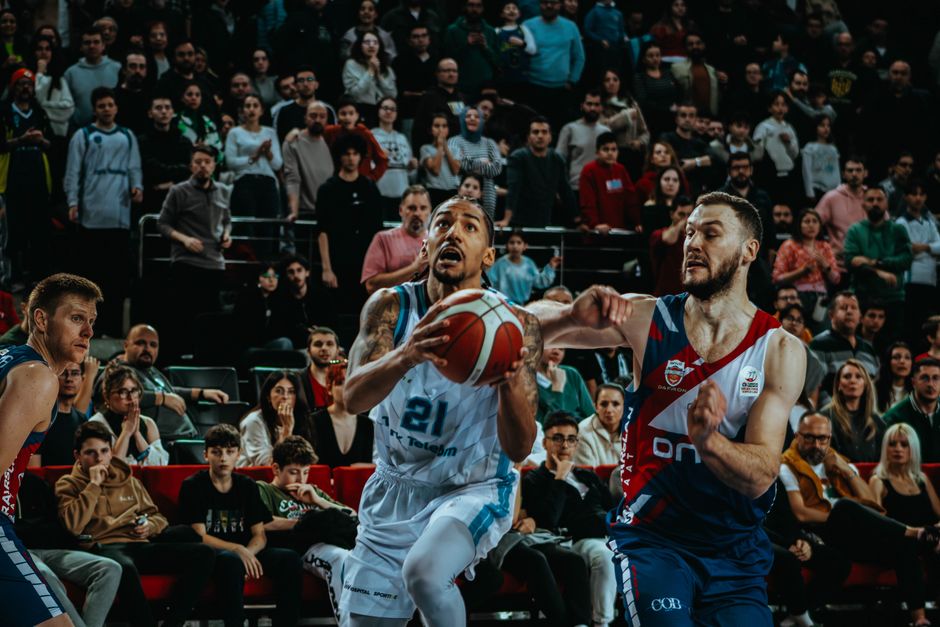
The coming weeks will be crucial for KK Partizan as they finalize their roster and prepare for the rigorous EuroLeague schedule. The departure of Giannis Kalates is a significant loss, but it also presents an opportunity for the club to redefine its identity and embrace a new generation of talent. Fans and analysts alike will be watching closely to see how the new signings integrate and whether the team can maintain its status as a top contender in Europe. The balance between domestic dominance and European success will be the ultimate test of this summer’s strategy. For Balkan basketball enthusiasts, Partizan’s journey serves as a microcosm of the region’s enduring passion for the sport and its capacity to adapt and thrive in an increasingly competitive global landscape.

Comments