


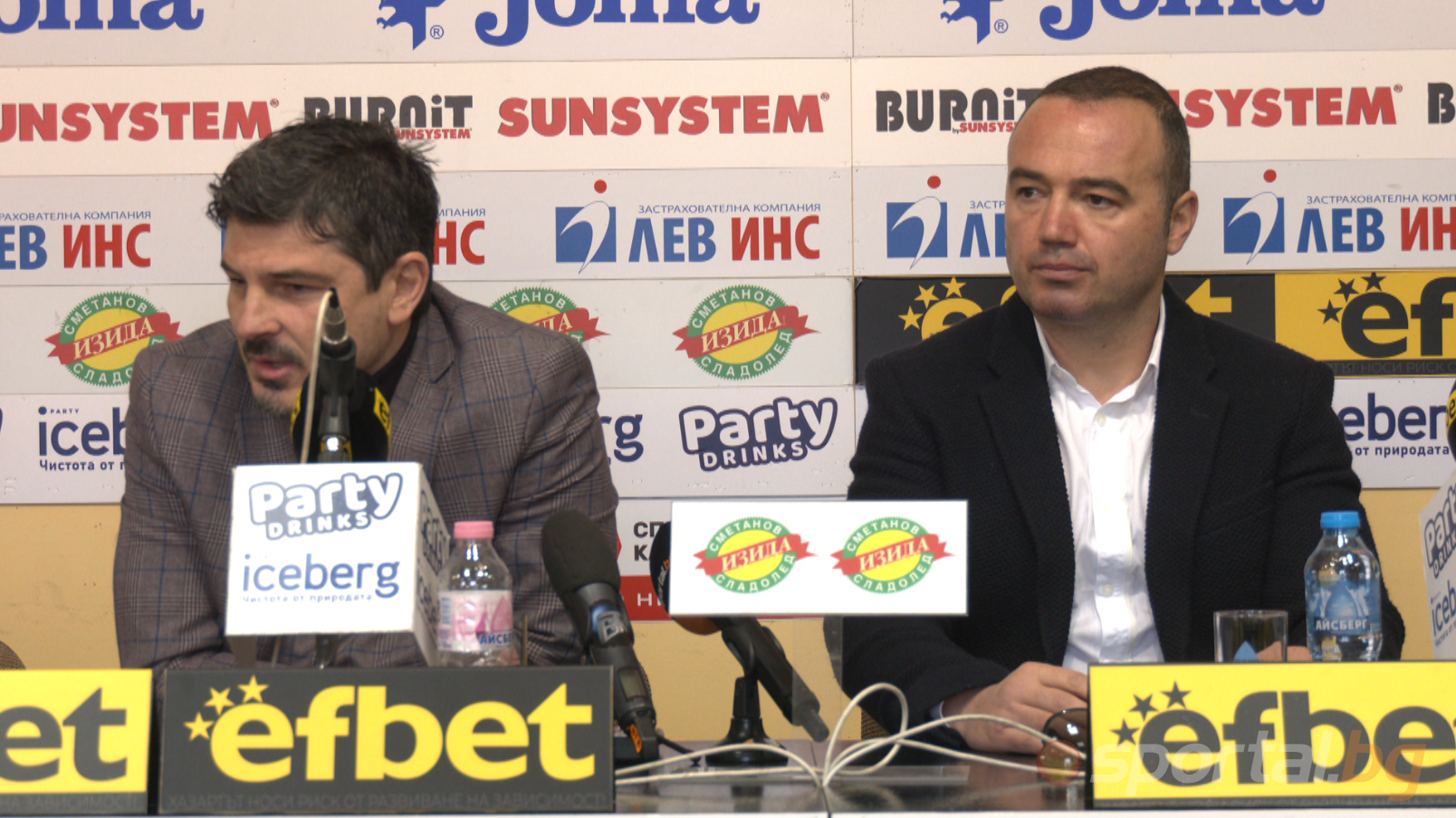
The curtain is rising on karate’s desperate bid for redemption. After being unceremoniously dropped from the Olympic program for Paris 2024, the sport is fighting for its life in the global arena. Nikolay Tsanev, president of the Bulgarian National Karate Federation, has stepped into the spotlight, declaring that the World Karate Federation is pulling out all the stops to secure a dramatic return. This isn't just a hope; it is a calculated strategy.
The Road to the IOC
Why Zimbabwe? You might ask. It’s part of the game. The World Karate Federation organized one of its World Youth League events there specifically to maintain contact with the President of the International Olympic Committee. Tsanev spoke extensively at the congress in Frankfurt, laying the groundwork for what comes next. The clock is ticking toward June 24 and 25, when a crucial committee will convene to review karate’s arguments. The goal? To be accepted back into the Olympic fold. Not for the next Games—that process is glacial—but to set the stage for the future.
"This is the Formula 1 of karate," Tsanev declared in Sofia. "If any karate returns, it will be this one." The federation is positioning itself as the sole legitimate contender, leveraging its previous Olympic status. By early 2027, the IOC is expected to issue a verdict or specific prescriptions, including anti-doping rules and athlete protections. The rulebook is evolving, becoming clearer and more aligned with Olympic standards. Tsanev also highlighted the need for better dialogue between national federations and their respective Olympic committees, a gap that often hinders progress.
Bulgarian Resilience Amid Budget Woes
While the big picture unfolds, the local scene remains a testament to grit. Bulgarian athletes continue to shine on the international stage despite chronic financial instability. Theodor Tsaneva recently claimed silver at the European Championships in Frankfurt, continuing a streak of strong performances by Bulgarian women. Yet, the federation operates without a regular budget. Last year’s funds arrived only in late August, forcing a frantic scramble to complete preparations. Currently, documents and reports are under review by the Ministry of Youth and Sports. No money has ever arrived on January 1st, creating constant uncertainty.
To survive, Tsanev turned to friends, sponsors, and donations, securing enough capital to fund early-year competitions. This allowed Bulgarian teams to compete in Cyprus in February across cadet, junior, and U21 categories, as well as hosting the national championship. The European Games next year in Poland remain a key target, with hopes that Theodor Tsaneva and others will represent Bulgaria. The fight for Olympic glory is long, but the Bulgarian karate community is refusing to step out of the ring.
честно казано не очаквах да чуя за Зимбабве в тази връзка lol. но ако МОК наистина ще гледа документите през юни, може би има шанс. бюджетът пак ще закъснее сигурно...