


A Festival of Sharing and Gratitude
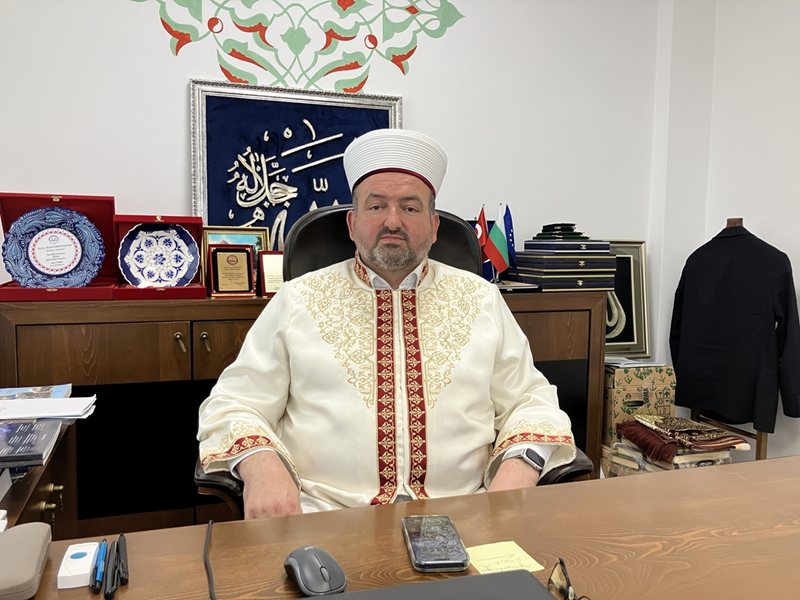
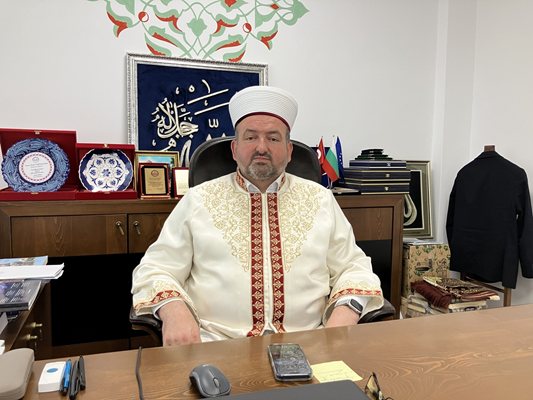
For Basri Eminefendi, the regional mufti of Kırcaali, Kurban Bayram is far more than a religious obligation or a reason for a large feast. It is a profound reminder that the most valuable things in life only gain meaning when they are shared. In Bulgaria, the word "kurban" carries a deep cultural weight that transcends religious boundaries, having been fully integrated into the traditions of both Muslims and Christians in the region.
Eminefendi, born in 1977 in the village of Buk near Krumovgrad, emphasizes that the holiday is rooted in gratitude and closeness to the Creator. "For someone unfamiliar with Islam, I would say this is not just an occasion for a meal, but a time when every believer strives to draw closer to God through righteousness and to their neighbors through good deeds," he explains. The modern celebration has become more intimate due to migration and fast-paced lifestyles, focusing heavily on the immediate family circle.
The Story of Ibrahim and Ismail
The core message of Kurban Bayram is total self-sacrifice and trust in divine wisdom. The festival recalls the story of the prophet Ibrahim (Abraham) and his son Ismail. According to Islamic tradition, Ibrahim faced his greatest test when asked to sacrifice his son as a sign of loyalty and submission. At the last moment, God intervened, stopping the sacrifice and sending an animal to be offered instead.
This narrative serves as a powerful symbol of faith, humility, and the willingness to overcome one's ego. For the modern believer, the lesson is clear: spiritual peace is achieved by letting go of egoism, greed, and excessive attachment to material possessions. The holiday reinforces the idea that nothing in this world belongs entirely to us.
Spiritual Purification Over Ritual
The spiritual essence of the sacrifice is explicitly stated in the Quran: "It is not their meat nor their blood that reaches Allah, but it is your piety that reaches Him." Eminefendi stresses that the animal is merely a means, while the true "kurban" is the purification of the heart.
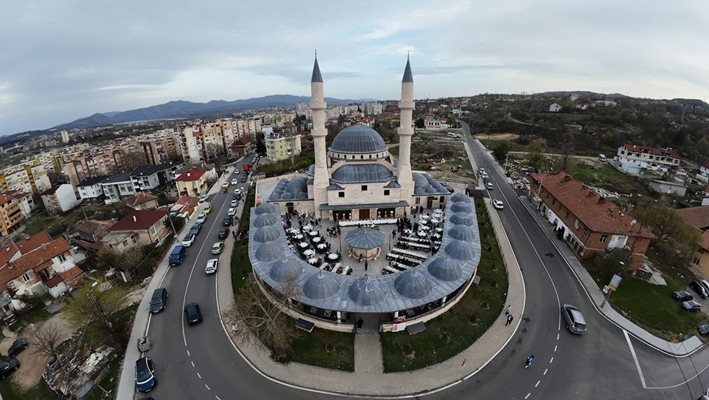
"When we offer a kurban, we symbolically sacrifice our own flaws—pride, envy, and anger—to revive mercy within ourselves," says the mufti, who has served in religious education roles in Brussels and Haskovo before taking his current post in 2021. The act of sharing meat with those in need is the practical application of this spiritual cleansing, fostering community bonds and reinforcing the values of compassion and generosity across the diverse cultural landscape of southern Bulgaria.

басри еминефенди е много прав tbh. курбан не е за месото, а за сърцето. много хора са забравили смисъла и просто ядат...