


June 9 marks a significant day in the liturgical calendars of many Balkan nations, particularly in Greece, Bulgaria, and North Macedonia, where the tradition of name days holds cultural weight comparable to birthdays. Today, the Orthodox Church commemorates the Synaxis of the Archangel Raphael, alongside the memory of Saint Photini (Priscilla) and Saint Simeon the Myrrh-streamer. For millions across the region, this date triggers a specific social ritual: friends, family, and colleagues reach out to those named Raphael, Photini, or their variants to offer congratulations. The observance reflects the enduring influence of religious tradition on daily social life in the Balkans, distinguishing the region from Western cultures where birthdays dominate personal celebrations.
The Tradition of Name Days in the Balkans
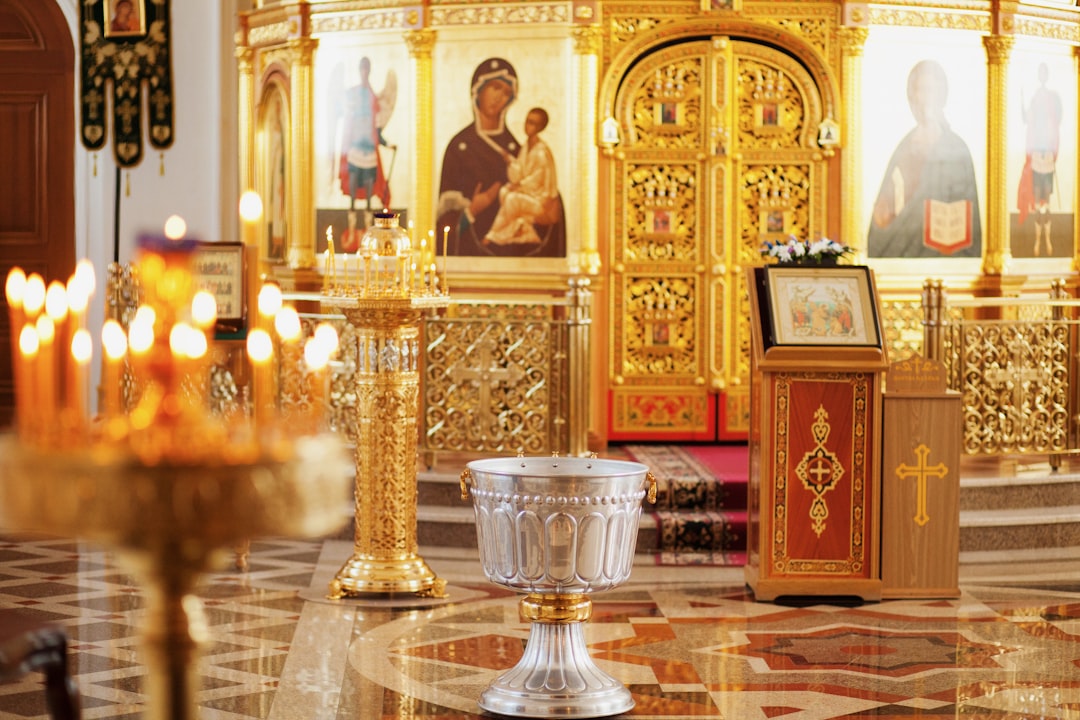
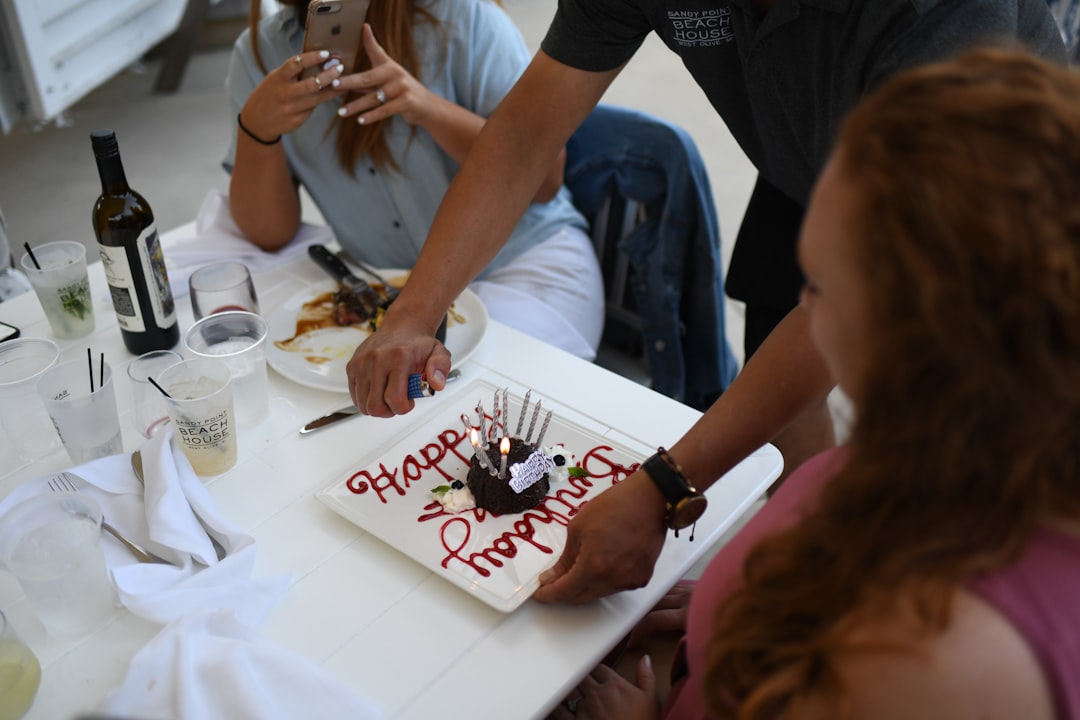
The concept of name days, known as onomastiki in Greece and imen den in Bulgaria, is deeply rooted in Christian tradition. Rather than celebrating the day of one's birth, individuals celebrate the feast day of their patron saint. This practice fosters a sense of community and shared heritage, as multiple people within a single family or workplace may share the same name day. On June 9, those named Raphael, often shortened to Rafe or Rafi, are the primary honorees. The name Raphael, meaning "God has healed," is associated with the Archangel Raphael, one of the seven archangels who stand before God. In Greek culture, the celebration often involves a small gathering, a cake, and the exchange of well-wishes, reinforcing social bonds.
In Bulgaria and North Macedonia, the tradition is equally vibrant. While Raphael is less common than names like Dimitar or Maria, it still holds significance. The day also honors Saint Photini, a figure from the New Testament often identified with the Samaritan woman at the well. Women named Fotini or Priscilla mark the occasion with similar festivities. The continuity of this tradition serves as a cultural anchor, linking modern Balkan society to centuries of religious and social history. It is a reminder of the region's distinct identity, where faith and folklore intertwine in everyday interactions.
Historical and Religious Significance of June 9
Beyond personal celebrations, June 9 holds historical and religious importance. The Synaxis of the Archangel Raphael is a major feast in the Eastern Orthodox Church. Archangel Raphael is revered as the healer of the body and soul, a role derived from his actions in the Book of Tobit, where he guides Tobiah and heals his father's blindness. This association with healing resonates deeply in cultures that value communal support and care. In some regions, special prayers or small services may be held, although for many, the day is marked by secular greetings and social gatherings.
Historically, June 9 has also been a date of various secular events in Balkan history, though none overshadow the religious observance in popular consciousness. In 1941, during World War II, the Axis powers intensified their occupation of Greece, a period that left a profound mark on the region's collective memory. However, in contemporary times, the day is primarily associated with the joyous occasion of name days. The juxtaposition of solemn historical dates with lighthearted social traditions highlights the resilience of cultural practices in the face of historical turmoil. For modern audiences, the day is an opportunity to connect with heritage, even if briefly, through the simple act of acknowledging a friend's name day.

Why This Matters to a Balkan and International Audience
For those living in the Balkans, understanding name days is essential for social navigation. Missing a name day greeting can be seen as a slight, whereas offering congratulations is a gesture of respect and friendship. For expatriates, tourists, or international businesspeople operating in Greece, Bulgaria, or North Macedonia, awareness of these traditions can enhance interpersonal relationships. It demonstrates cultural sensitivity and an appreciation for local customs. As globalization homogenizes many aspects of life, name days remain a distinctly Balkan feature, offering a window into the region's values and social fabric.
Internationally, the trend of searching for "June 9 name days" reflects a growing interest in cultural trivia and heritage. People with Balkan roots living abroad often use these dates to maintain connections to their homeland, sharing greetings on social media or organizing small gatherings. This digital diaspora keeps traditions alive across borders, creating a virtual community that transcends geography. For the general public, learning about name days provides a deeper understanding of Balkan culture, moving beyond stereotypes to appreciate the nuances of daily life. It is a small but meaningful aspect of cultural literacy that enriches cross-cultural interactions.
As June 9 unfolds, the focus remains on the individuals named Raphael, Photini, and their variants. The day serves as a reminder of the enduring power of tradition in a rapidly changing world. Whether through a simple text message, a phone call, or a shared meal, the celebration of name days strengthens social ties and preserves cultural identity. For readers outside the Balkans, it offers an insight into a unique social practice that continues to thrive. In the coming weeks, other name days will follow, each with its own saint and significance, but June 9 stands out for its association with healing and community. Keeping an eye on these cultural markers can deepen one's appreciation for the rich tapestry of Balkan life.


Comments