


A Routine Dig Turns Into a Historical Shock
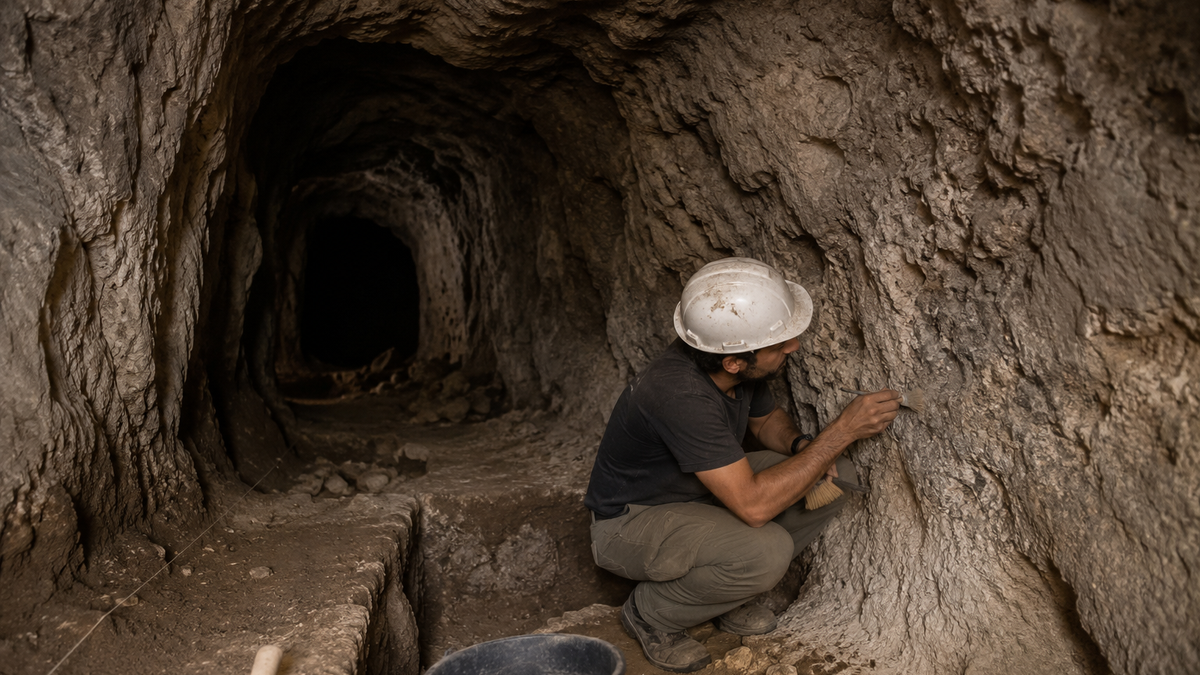
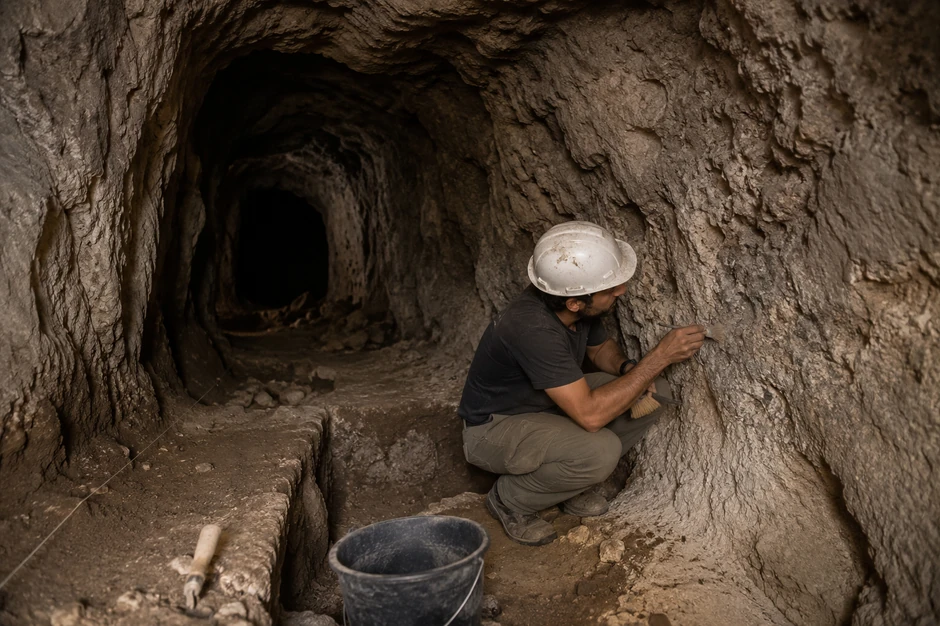
They expected pottery shards. Maybe a crumbling wall. What they found instead was a hole in history. Before new construction began at the Ramat Rahel kibbutz area in Jerusalem, archaeologists from the Israel Antiquities Authority (IAA) started their usual survey. Routine work. Standard procedure. Then the ground gave up its secret. A staircase descended into the earth, leading to a colossal tunnel system carved directly into solid bedrock. The sheer scale stopped the team in their tracks. We are talking about a corridor stretching over 45 meters, with passages soaring five meters high and spanning three meters wide. This wasn't a dig; it was a revelation. Sivan Mizrahi and Zinovi Matskevich, the excavation directors, described the moment as completely unexpected. "We were working on relatively rocky, open terrain when we suddenly hit a natural karst cavity," they said. "To our great surprise, as the work progressed, that cavity turned into a long tunnel." Parts remain collapsed, meaning the tunnel is still holding back its deepest secrets.
Water, Industry, or Stone? Theories Clash
Who built this? When? And why? Those are the questions echoing through the dust. The dimensions alone scream organization. This wasn't a solo effort. It required a workforce, precision planning, and serious resources. The first theory? An ancient aqueduct. A water supply line for the residents. It made sense. But geology said no. Detailed geological analysis revealed no underground water sources nearby. Plus, the walls weren't plastered or coated, a standard practice for ancient water systems to prevent leaks. So, water is out. What about agriculture or industry? Did they store grain or process materials down there? Nothing. No artifacts. No tools. No evidence of production or storage. The silence of the tunnel is deafening. Now, the leading theory points toward a quarry. Maybe they dug deep to reach a specific layer of chalk, perfect for extracting building stone or producing lime. Archaeologists found a ventilation shaft inside and traces of carved material on the floor. Practical. Industrial. But even this isn't confirmed. The project might have been abandoned mid-way, leaving this massive, hollow question mark buried under the Holy City. Sometimes, history doesn't just speak; it whispers, leaving us wondering what it really meant to say.


ramat rahel'deki o tünel gerçekten ilginç imo. su kanalı değilse ne işe yaradı anlamadım tbh. belki taş ocaklarıdır ama duvarlar çok düzgün görünüyor. ne dersiniz siz?