


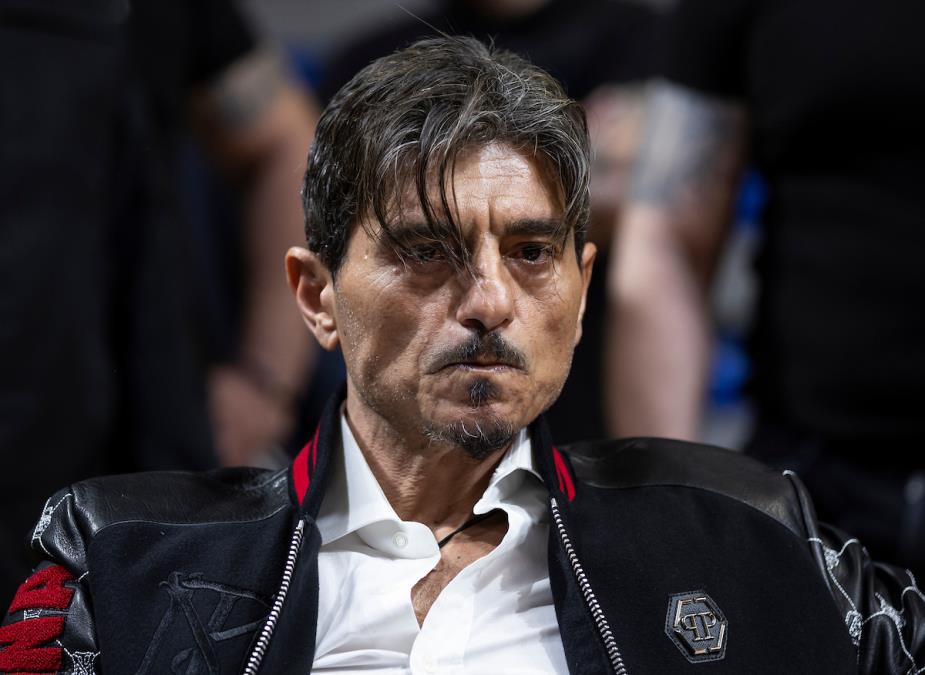
The atmosphere in Athens has reached a boiling point ahead of the EuroLeague Final between Olympiacos and Real Madrid. While sporting preparations dominate headlines, the Greek basketball landscape has been ignited by a series of provocative social media posts from Dimitris Janakopoulos, the outspoken owner of Panathinaikos. With the championship clash scheduled for the OAKA Arena, Janakopoulos has once again placed himself at the center of the debate, challenging the narrative surrounding his city’s rivals.
Legacy Over a Single Evening
Janakopoulos’s message directly addresses the mounting hype around Olympiacos reaching the final. Acknowledging the emotional weight of playing a European championship match in Athens, he argued that a single victory cannot redefine decades of basketball history. In a lengthy post, the Panathinaikos chairman emphasized that true greatness is measured by sustained dominance, trophy cabinets, and the ability to withstand pressure across generations. He questioned why certain media outlets and supporters are framing a potential Olympiacos triumph as an unprecedented achievement, suggesting that such framing inadvertently highlights Panathinaikos’s long-standing supremacy in European basketball.
Greek club basketball has long been defined by intense local rivalries, and the contrast between Panathinaikos and Olympiacos is no exception. Panathinaikos has historically dominated the EuroLeague, securing multiple titles that cemented its status as a continental powerhouse. Janakopoulos’s comments tap into this historical context, reminding fans and critics alike that basketball legacies are built through consistency rather than isolated moments of glory. The tension is palpable across social media, where supporters have quickly divided into camps, trading barbs and debating the true measure of sporting success.
Rebuilding After a Disappointing Campaign
Despite his firm stance on historical legacy, Janakopoulos did not shy away from addressing his own club’s recent struggles. Panathinaikos was eliminated earlier this season, falling short of their championship aspirations. The chairman openly acknowledged the disappointment, describing the early exit as a painful setback that demanded reflection. Rather than dwelling on frustration, he framed the campaign as a necessary lesson. The focus now shifts to structural improvements, roster reinforcement, and preparing the squad to compete under evolving competitive conditions.
The broader European basketball landscape continues to evolve, with financial disparities and tactical innovations reshaping how clubs approach the playoffs. For Panathinaikos, the path forward requires balancing traditional expectations with modern sporting demands. Janakopoulos’s public statements reflect a club leadership accustomed to high standards, where failure is treated as a catalyst for renewal rather than an endpoint. As the final approaches, the spotlight remains firmly on the court, but the cultural and historical dimensions of Greek basketball ensure that every match carries weight far beyond the final score.


Comments