


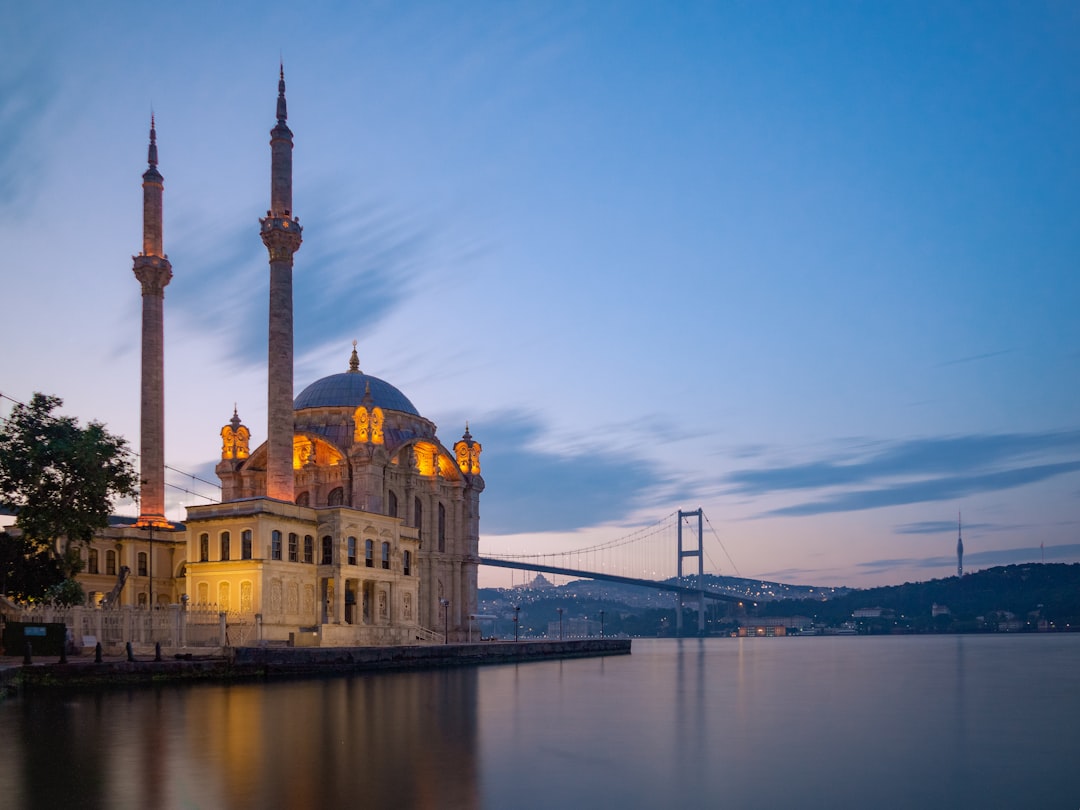
As the sun dipped into the Bosphorus, casting a golden glow over the ancient city, I found myself standing at the edge of Europe and Asia. The water lapped against the shore as the call to prayer echoed from the minarets of Hagia Sophia, a poignant reminder of the cultural collision that defines this city.
The scent of roasted chestnuts mingled with the exhaust fumes of the bustling traffic. I took a deep breath, letting the cacophony of sounds—tinkling of coins from street vendors, the chatter of tourists, and the distant hum of ferries—wash over me. This was Istanbul, a city that wears its history like a second skin, each layer revealing a story of conquest, trade, and transformation.
History & Identity
Istanbul's identity is a rich tapestry woven from centuries of conquest and cultural exchange. Founded as Byzantium in the 7th century BC by Greek colonists, it was later renamed Constantinople by Emperor Constantine in 330 AD, becoming the capital of the Roman Empire. The city’s strategic location on the Bosphorus strait made it a vital trade hub and a magnet for invaders. In 1453, the Ottoman Empire conquered Constantinople, renaming it Istanbul and transforming it into a melting pot of Islamic, Byzantine, and European influences.
Today, Istanbul is a vibrant metropolis that seamlessly blends the past with the present. The iconic Hagia Sophia, once a church, then a mosque, and now a museum, stands as a testament to the city’s complex history. Its massive dome and intricate mosaics reflect the architectural and artistic achievements of both the Byzantine and Ottoman empires. Nearby, the Topkapi Palace, the primary residence of Ottoman sultans for nearly 400 years, houses a vast collection of treasures and artifacts that narrate the stories of power, opulence, and intrigue.
Where to Go
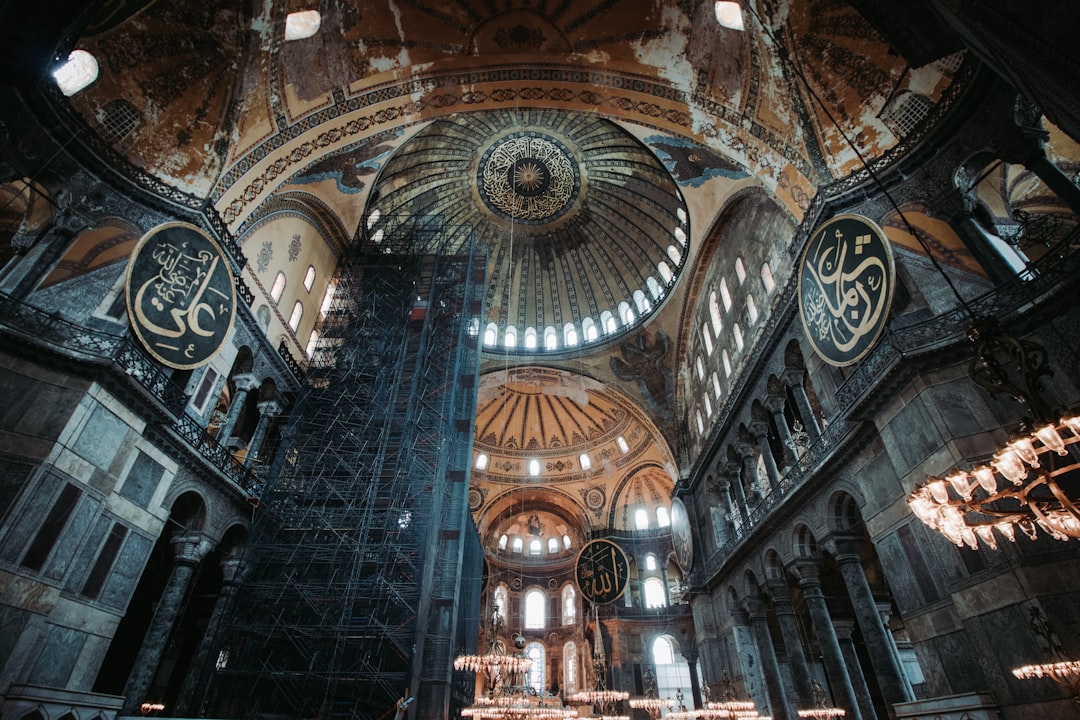
Hagia Sophia — This awe-inspiring structure is one of the world's most iconic architectural marvels. Visitors can explore the grand interior, with its stunning mosaics and massive dome. Entry fee is 50 Turkish Lira (approximately 7 EUR). Best visited in the early morning to avoid the crowds.
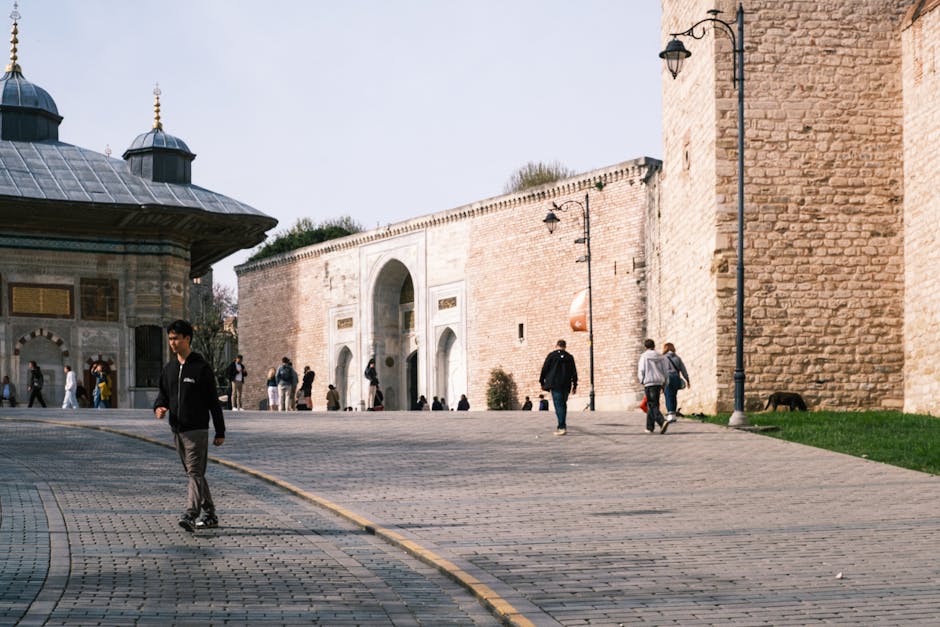
Topkapi Palace — This sprawling complex is a treasure trove of Ottoman history and culture. From the opulent chambers of the sultans to the imperial treasury, it offers a glimpse into the lives of the Ottoman rulers. Entry fee is 100 Turkish Lira (approximately 14 EUR). Best visited in the late afternoon to enjoy the sunset views from the palace gardens.
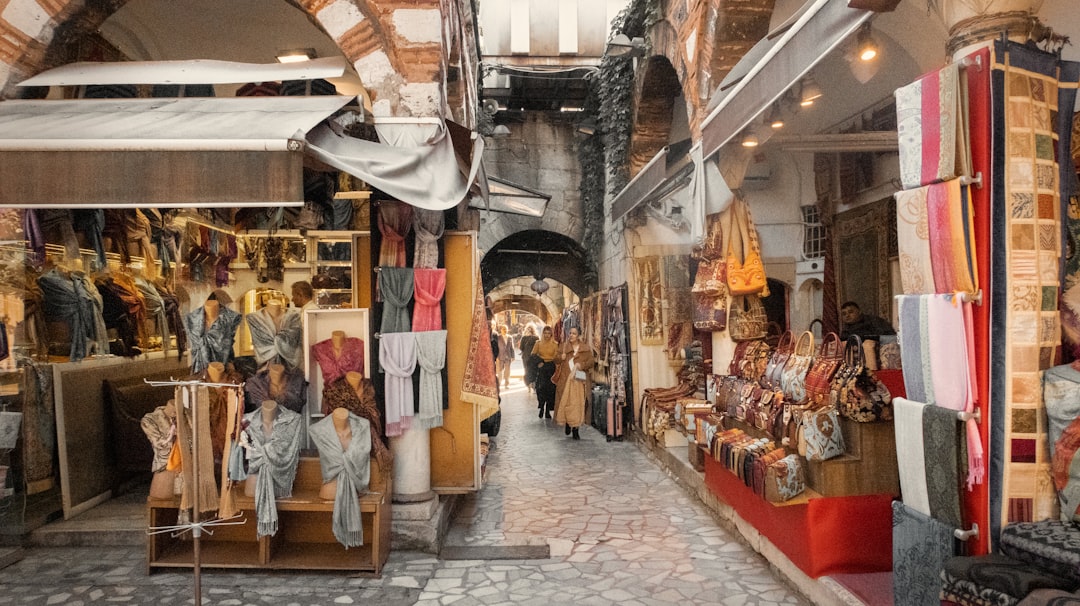
Grand Bazaar — With over 4,000 shops, the Grand Bazaar is a maze of colorful stalls and winding alleys, offering everything from spices and textiles to jewelry and ceramics. Entry is free, and bargaining is expected. Best visited in the late morning or early afternoon to avoid the midday heat.
Bosphorus Cruise — A cruise along the Bosphorus offers a unique perspective on Istanbul’s geography and architecture. The route passes by the majestic Dolmabahçe Palace, the Maiden’s Tower, and the picturesque neighborhoods of Beşiktaş and Üsküdar. Tickets range from 25-50 Turkish Lira (approximately 3-7 EUR) depending on the duration and class of the cruise. Best experienced in the late afternoon or evening when the city lights sparkle on the water.
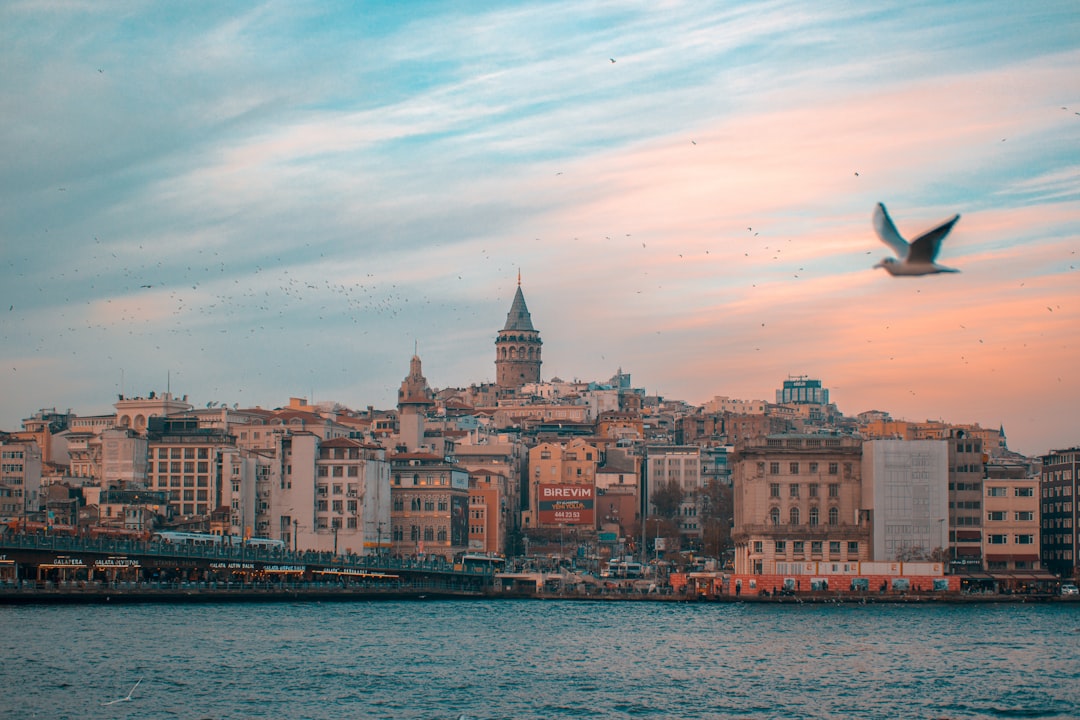
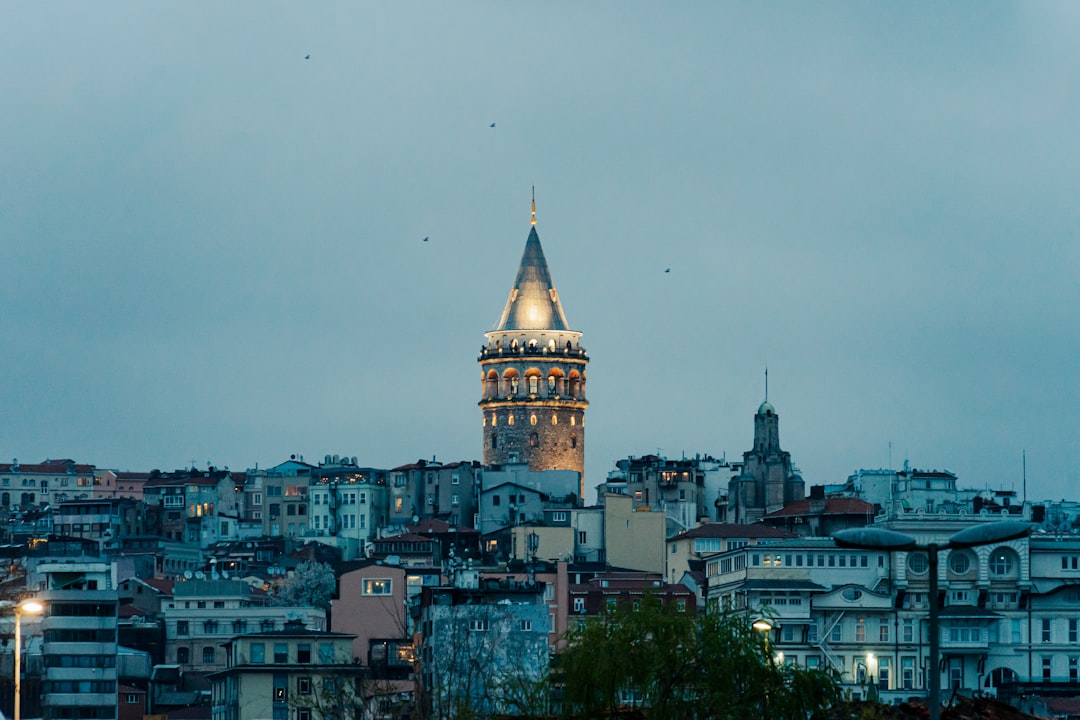
Galata Tower — This medieval stone tower offers panoramic views of Istanbul’s skyline, including the Golden Horn, the Bosphorus, and the historic peninsula. Entry fee is 20 Turkish Lira (approximately 3 EUR). Best visited in the early evening to catch the sunset over the city.
What to Eat & Drink
Kebabs — Istanbul is famous for its kebabs, with various types like Adana, İskender, and şiş. A typical meal costs around 10-15 Turkish Lira (1-2 EUR). Popular spots include the Keçeli in Beyoğlu and the İskender Kebap in Eminönü.
Baklava — This sweet pastry is a must-try when in Istanbul. It’s sold in many pastry shops and bakeries throughout the city, with prices ranging from 5-10 Turkish Lira (0.7-1.4 EUR) per piece. The Hafız Mustafa in Eminönü is renowned for its baklava.
Mezze Platter — A traditional mezze platter includes a variety of small dishes like hummus, tabbouleh, and stuffed grape leaves. It costs around 30-50 Turkish Lira (4-7 EUR) per person and is best enjoyed in restaurants like Nusr-Et in Tophane.
Budget breakdown:
- Street food / take-away: under 10 Turkish Lira (1-2 EUR) per meal
- Sit-down local restaurant: 20-40 Turkish Lira (2.7-5.5 EUR) per person
- Mid-range restaurant: 40-60 Turkish Lira (5.5-8.5 EUR)
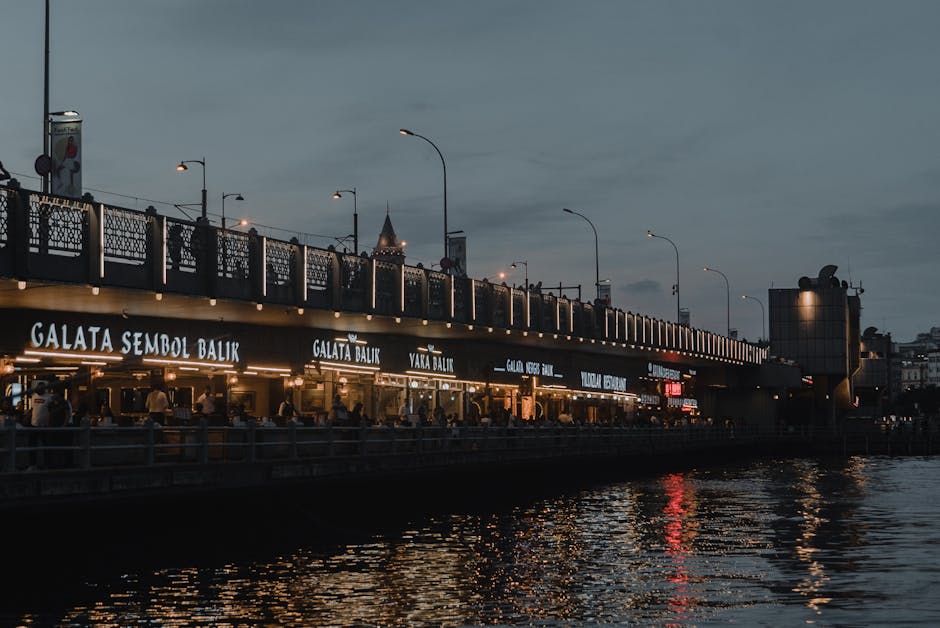
Food streets and markets — For a true taste of Istanbul, head to the streets of Karaköy or the Spice Bazaar in Eminönü. The Karaköy Meze Street is particularly vibrant in the evenings, with numerous small restaurants serving traditional Turkish dishes.
Nightlife
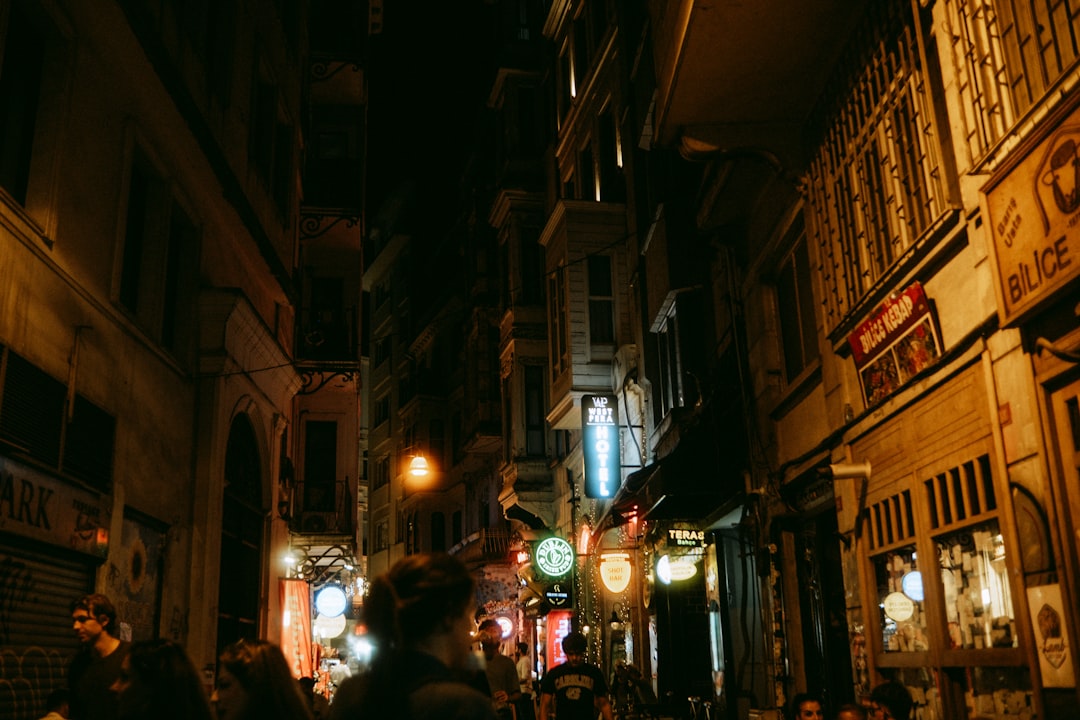
Tkalciceva Street — Known for its vibrant bar scene, Tkalciceva Street is a must-visit for nightlife enthusiasts. Popular venues include the bar-restaurant complex of Pera Palace Hotel, which offers a mix of live music, cocktails, and a view of the city. Cover charge ranges from 20-30 Turkish Lira (2.7-4 EUR).
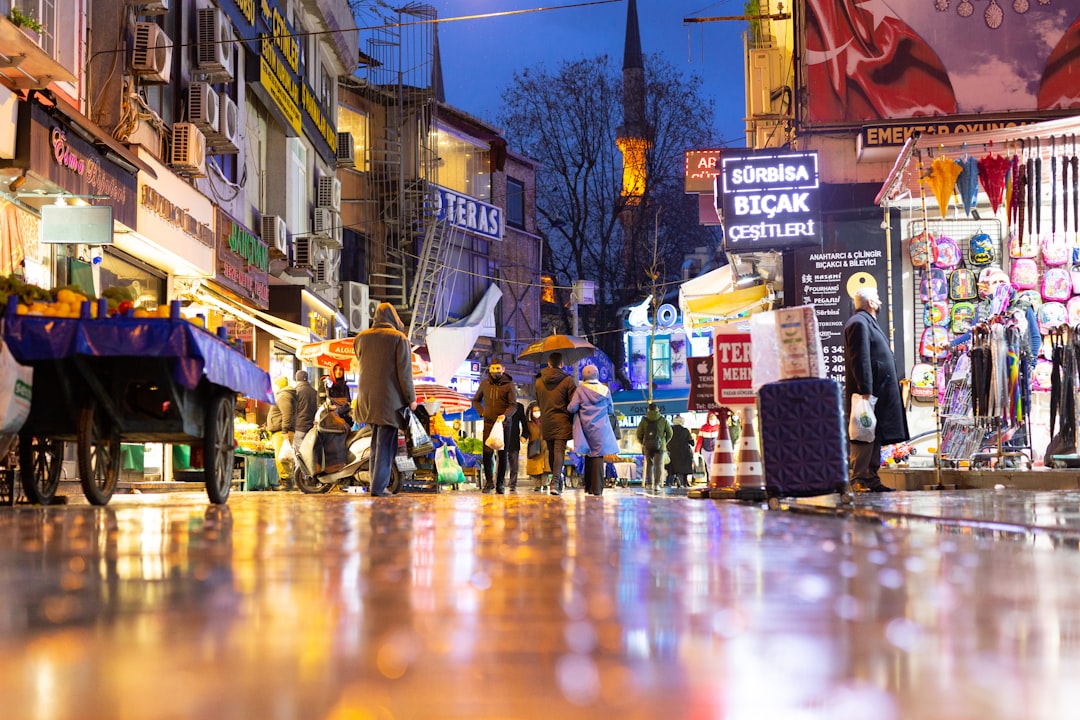
Beyoğlu — This historic district is a hub of nightlife, with a mix of trendy bars, clubs, and live music venues. The area around İstiklal Avenue is particularly lively, with popular spots like the jazz club of Pera Palace Hotel and the eclectic bar scene of Tophane. Cover charges range from 20-50 Turkish Lira (2.7-7 EUR).
Getting There & What to Expect
Airports — Istanbul is served by two major airports: Istanbul Airport (IST) and Sabiha Gökçen International Airport (SAW). Istanbul Airport is the primary hub for international flights, while Sabiha Gökçen is closer to the city and serves many domestic and some international routes.
Major Balkan hubs like Sofia, Bucharest, and Belgrade have direct flights to Istanbul, with round-trip prices ranging from 100-300 EUR, depending on the season and airline.
Accommodation — Budget hostels in Istanbul start at around 20-30 Turkish Lira (2.7-4 EUR) per night, while mid-range hotels cost 100-200 Turkish Lira (14-27 EUR) per night. For a more luxurious experience, the
offers a taste of old-world charm.Search accommodation in Istanbul on Booking.com →
Best months to visit — The best time to visit Istanbul is from April to June and from September to October, when the weather is mild and the crowds are thinner. The summer months (July and August) can be very hot and crowded, while the winter months (December to February) are cooler and less busy.
The Last Call
As I sipped my final rakı of the evening from a street-side café in Beyoğlu, the city seemed to come alive with a new rhythm. The lights of the Bosphorus shimmered in the distance, a constant reminder of the city’s dual identity. Istanbul is a place where the past and present collide, where every street corner and alleyway holds a story. It’s a city that demands to be explored, experienced, and savored. And as the night wore on, I knew I was just beginning to scratch the surface of this magnificent metropolis.


Comments