


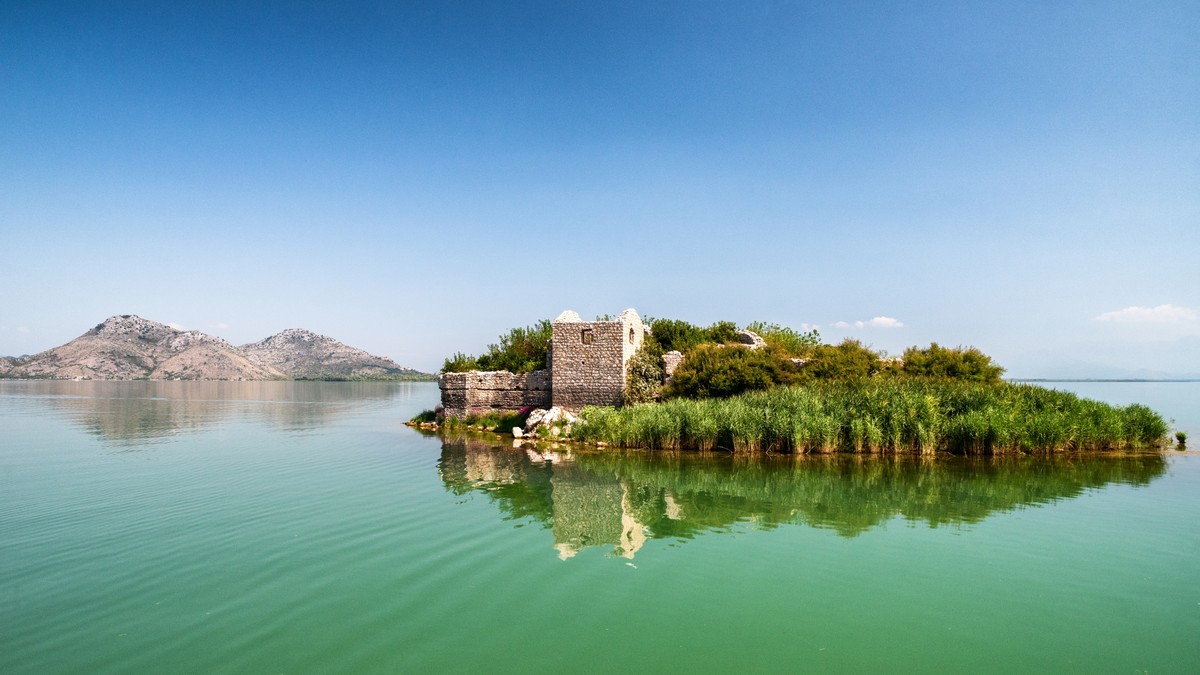
A Fortress of Stone and Silence
In the heart of Lake Skadar, the largest lake in the Balkans, lies a place where history whispers through the reeds. Grmožur Island, a small landmass near the village of Godinje in the municipality of Bar, is far more than a scenic dot on the water. It is a monument to control, isolation, and eventual redemption by nature. Today, it stands as a protected cultural heritage site of Montenegro, drawing visitors seeking solitude and birdwatchers eager to spot rare species.
The island’s origins are martial. In 1843, the Ottoman Empire constructed a fortress here to command the lake and river routes connecting Skadar, Crmnica, and the Montenegrin interior. It was a strategic choke point, a stone eye watching over the waters. For decades, it served its imperial masters, controlling movement and projecting power across the region.
From Prison to Pelican Paradise
The island’s role shifted dramatically during the Montenegrin-Ottoman War (1876–1878). On January 24, 1878, Montenegrin forces captured Grmožur. Prince Nikola Petrović soon transformed the former fortress into a prison for the most serious criminals and political opponents. The conditions were harsh, the isolation absolute. Legend says only non-swimmers were sent there, and guards were chosen for the same trait, making escape nearly impossible. One tale claims a guard allowing a prisoner to flee would take their place in the cell.
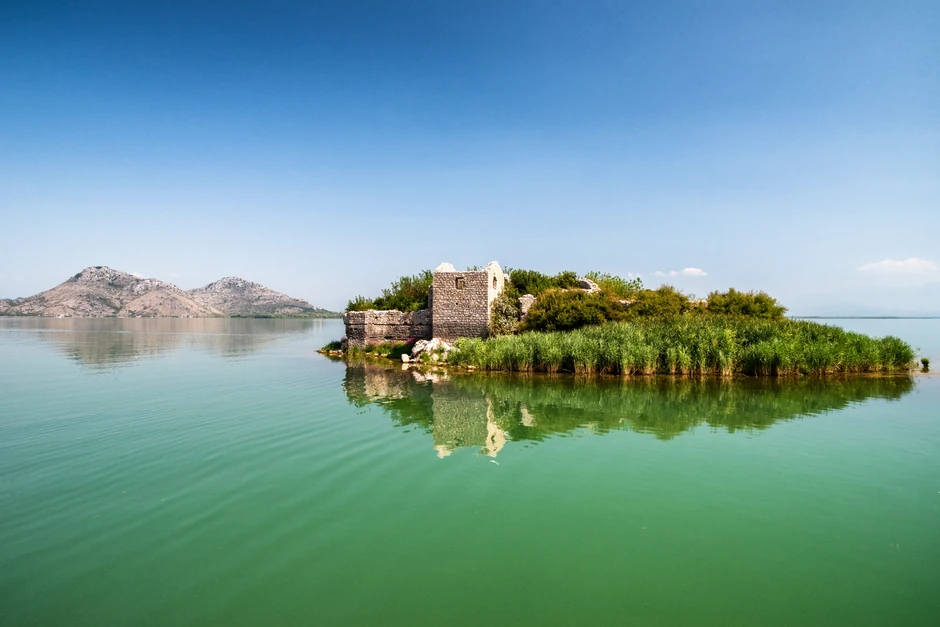
The prison operated until the early 20th century. A devastating earthquake in 1905 damaged the fortress, leading to the prison’s relocation and the island’s abandonment. Nature reclaimed the ruins. Today, Grmožur is a haven for wildlife. Ornithologists call it the "Island of Birds," home to cormorants, herons, gulls, and the rare Dalmatian pelican. Locals, remembering its eerie past, sometimes call it the "Island of Snakes."
A Quiet Legacy
In 1949, Grmožur was declared a cultural monument of Montenegro, ensuring its preservation. Access is strictly by boat from Virpazar, maintaining its secluded charm. Visitors walk among the crumbling walls, hearing the calls of birds where once only the clink of chains echoed. It is a place where the past is not forgotten but softened by time and feathers. Grmožur remains a testament to resilience, both human and natural, floating quietly on the expansive waters of Lake Skadar.



fenerbahce were miles better this season tbh honestly didn't see that coming lol Grmožur je stvarno mračno mesto, niko ne bi želeo da tamo bude zatvoren npr