


The clay is red, the sun is white-hot, and the coffee in my hand is strong enough to strip paint. I’m sitting on a bench in Belgrade, watching a group of teenagers smash balls against a chain-link fence with the kind of desperate intensity that usually only appears in war movies. There are no lines on this court. There is no line judge. There is just the sound of the racquet hitting the ball and the occasional shout of a coach who looks like he hasn’t slept since the nineties. This is the factory floor of Balkan tennis. It’s not glamorous. It’s not polished. It’s a grind. And it has produced some of the most resilient, dangerous players on the ATP and WTA tours. I came here to find out why this corner of Europe, often overlooked by global tourism boards, keeps punching above its weight in the tennis world.
The story isn’t just about talent. It’s about a specific kind of toughness forged in transition economies, post-war reconstruction, and a cultural obsession with individual excellence. From the stoic power of Novak Djokovic to the fiery baseline rallies of Grigor Dimitrov, these players carry the weight of their nations on their shoulders. I spent the last week tracking down the courts where it all started, from the concrete slabs of suburban Serbia to the sun-drenched academies of Bulgaria. Here’s what I found.
The Serbian Blueprint: Discipline Over Flash
If you want to understand the Balkan tennis phenomenon, you start in Belgrade. The city has a complex relationship with Novak Djokovic. He is both a source of immense national pride and a lightning rod for political controversy. But on the courts, politics evaporate. What remains is a system. Serbian tennis is built on a foundation of rigid discipline, technical precision, and mental fortitude. The country has produced a staggering number of top-100 players, including Danilo Petrović and Peđa Krstin, but Djokovic remains the colossus.
I visited the Novak Djokovic Tennis Academy in Belgrade, a sprawling complex that looks more like a university campus than a sports facility. The grounds are immaculate, a stark contrast to the gritty street courts I saw earlier. Here, the philosophy is clear: consistency beats brilliance. Coaches emphasize footwork, return of serve, and the ability to outlast opponents in five-set marathons. It’s a style that reflects the Serbian character—resilient, unyielding, and deeply focused. Naomi Osaka and other global stars train here, drawn by the same rigorous standards that produced Djokovic’s record 24 Grand Slam titles.
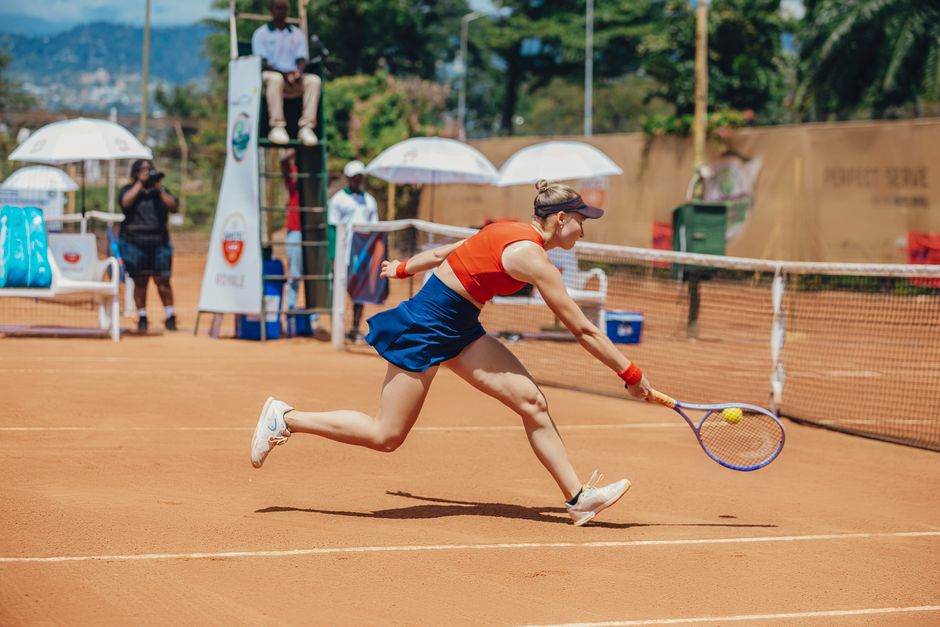
But the blueprint isn’t exclusive to Belgrade. In Niš, the second-largest city in Serbia, local clubs operate on shoestring budgets. Yet, the intensity is identical. I watched a junior match where the players took breaks only to drink water and wipe sweat from their brows. There was no complaining, no arguing with calls. Just a relentless focus on the next point. This is the cultural bedrock of Balkan tennis: the belief that suffering is a necessary part of success.
Bulgaria’s Counter-Punch: Style and Substance
Cross the border into Bulgaria, and the vibe shifts. The climate is warmer, the pace of life slightly more relaxed, but the tennis is no less serious. Grigor Dimitrov is the face of Bulgarian tennis, a player known for his elegant all-court game and powerful forehand. He’s a global ambassador for the sport, but his roots are in the working-class neighborhoods of Sofia.
Dimitrov’s career has been a rollercoaster, marked by early promise, injury setbacks, and a triumphant return to the top 10. His story resonates with Bulgarians, who see in him a symbol of their country’s ability to compete on the world stage despite limited resources. I met with a former coach in Varna, a Black Sea resort city, who told me that Bulgarian players are often more creative than their Serbian counterparts. They’re encouraged to use drop shots, volleys, and angle shots to disrupt rhythm. It’s a more artistic approach, but it requires a high level of skill and confidence.
The Bulgarian Tennis Federation has invested heavily in youth development in recent years, building new facilities and sending coaches abroad for training. The results are beginning to show. Young players like Adrian Andreev are breaking through, carrying the torch for the next generation. The key difference here is the emphasis on versatility. Bulgarian coaches believe that the modern game requires players who can adapt to any surface and any situation. It’s a pragmatic philosophy born from the need to maximize limited opportunities.
The Next Wave: Croatia, Romania, and Beyond
The Balkan tennis renaissance isn’t limited to Serbia and Bulgaria. Croatia has a rich tennis heritage, led by the legendary Goran Ivanišević, whose Wimbledon victory remains a national treasure. Today, players like Borna Ćorić and Maria Šafářová (though Czech, she has strong ties to the region) are keeping the flame alive. The Croatian style is often described as aggressive and intuitive, a blend of European technique and Mediterranean flair.
In Romania, the focus is on consistency and mental toughness. Simona Halep is the standout figure, a two-time Grand Slam champion who embodies the Romanian work ethic. Her rise from a small town to the top of the WTA tour is a testament to the power of dedication and resilience. Romanian tennis is built on a strong club system, where players develop from a young age in close-knit communities. The emphasis is on building a solid foundation before adding power and speed.
Even smaller nations are making their mark. Martina Trevisan (Italian, but with Balkan roots) and players from North Macedonia and Bosnia are finding success on the Challenger and ITF circuits. The region is a breeding ground for talent, with a shared culture of hard work and determination. It’s not just about producing stars; it’s about creating a sustainable ecosystem that supports players at every level.
The Venues: Where Legends Are Made
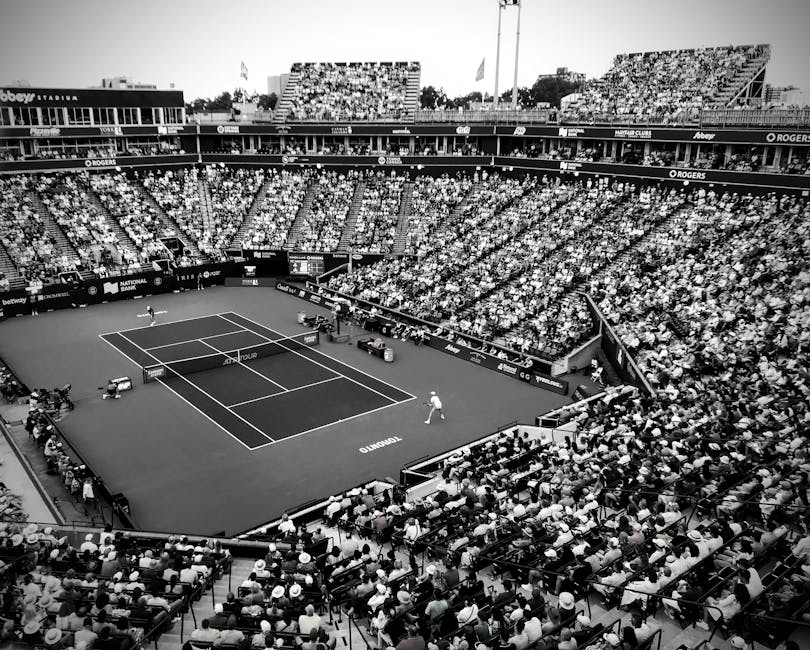
To understand the impact of these players, you have to see the places where they compete. The Novak Djokovic National Tennis Center in Belgrade is the crown jewel of Balkan tennis. It’s a world-class facility that hosts the Serbia Open, an ATP 500 tournament that draws top players from around the globe. The atmosphere is electric, with fans cheering loudly and passionately. It’s a place where dreams are made and broken.
In Sofia, the Lovech Arena hosts the Sofia Open, another ATP 250 tournament. It’s a smaller event, but it has a unique charm and a dedicated fan base. The court is surrounded by the historic architecture of the city, creating a picturesque setting for high-level tennis. It’s a reminder that tennis is not just a sport; it’s a cultural event that brings communities together.
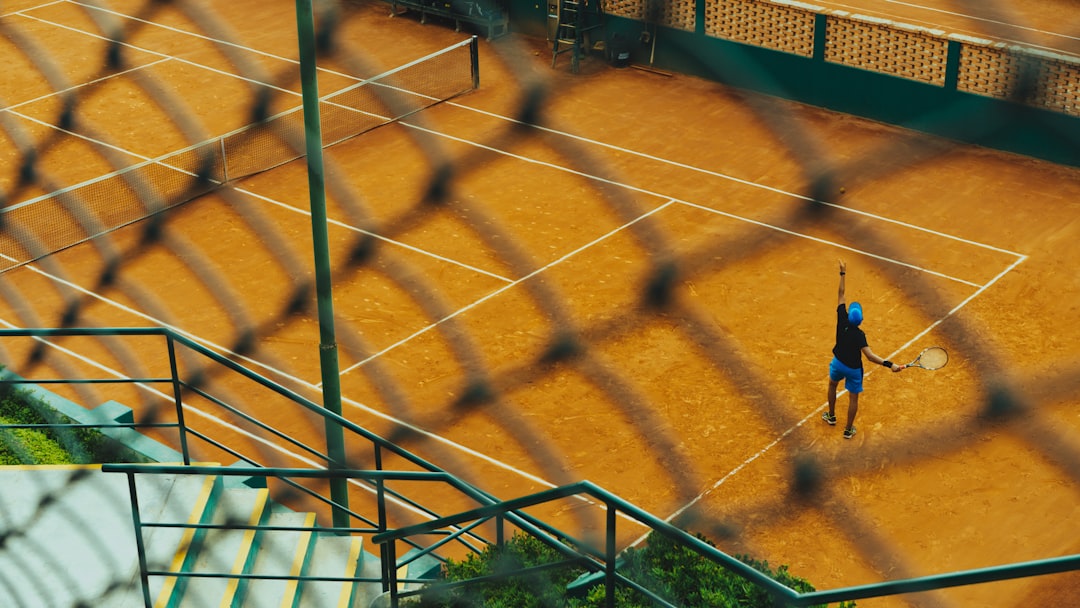
And then there are the local clubs, the concrete courts where it all begins. These are the unsung heroes of Balkan tennis, the places where future champions spend their hours perfecting their swings. They may not have the glamour of the big tournaments, but they have something more important: heart.
How to Follow the Action
If you want to see Balkan tennis in action, there are several ways to do it. The Serbia Open in Belgrade is held annually in April, while the Sofia Open in Bulgaria takes place in October. Both tournaments offer a chance to see top players compete in front of passionate home crowds. Tickets are relatively affordable, with general admission starting at around 20-30 EUR for a day’s play.
For those who can’t make it in person, most matches are streamed online via the ATP and WTA official websites. You can also follow the careers of Balkan players on social media, where they share behind-the-scenes glimpses of their training and travel. It’s a great way to connect with the human side of these athletes and understand the dedication it takes to succeed at the highest level.
Whether you’re a die-hard fan or a casual observer, there’s never been a better time to get into Balkan tennis. The region is producing some of the most exciting players in the world, and their stories are just beginning to unfold.
The Final Set: More Than Just a Game
As I left Belgrade, I passed a small park where a group of kids were playing tennis on a cracked concrete court. One of them, a boy no older than ten, hit a forehand so powerful it nearly cleared the fence. He grinned, wiped his forehead, and got ready for the next point. In that moment, I realized that Balkan tennis isn’t just about Grand Slams or prize money. It’s about that kid, that smile, that relentless pursuit of excellence. It’s about a region that refuses to be defined by its past, choosing instead to forge its own future, one point at a time. And honestly? It’s pretty damn inspiring.

Comments