



Greek television personality and actor Aimilios Cheilakis has opened up about his ongoing grief following the death of his mother, revealing that he has not yet come to terms with the loss. In a recent interview, the star shared the emotional weight of his bereavement, stating clearly that acceptance remains elusive. This candid admission resonates deeply with audiences across the Balkans, where family ties are central to cultural identity and public figures often share personal struggles to humanize their public personas. Cheilakis, known for his work in Greek entertainment, has become a symbol of resilience for many fans dealing with similar losses.
The interview, which has sparked widespread discussion on social media platforms in Greece and among the Greek diaspora, highlights the universal nature of grief while underscoring the specific cultural context of mourning in the region. Cheilakis’s vulnerability offers a rare glimpse into the private life of a public figure, bridging the gap between celebrity and everyday experience. His words have struck a chord with viewers who see their own struggles reflected in his journey, making this story a trending topic not just in Greece, but across the broader Balkan region where Greek culture holds significant influence.

The Life and Career of Aimilios Cheilakis
Aimilios Cheilakis is a prominent figure in the Greek entertainment industry, recognized for his versatile roles in television series, films, and reality shows. He first gained widespread attention through his participation in popular Greek television programs, where his charisma and emotional depth captivated audiences. Over the years, he has built a career that balances dramatic acting with reality television, allowing him to connect with a broad demographic. His work often explores themes of family, love, and personal struggle, which align closely with the values cherished by his audience.
Before achieving mainstream fame, Cheilakis worked in various roles within the entertainment sector, honing his craft and building a reputation for professionalism and dedication. His breakthrough came when he took on leading roles in critically acclaimed series, showcasing his ability to convey complex emotions with authenticity. Today, he is considered one of the recognizable faces of Greek television, with a loyal fanbase that follows his career closely. His influence extends beyond entertainment, as he often engages in charitable activities and public discussions on social issues.
Cheilakis’s public image is carefully curated to reflect both his professional achievements and his personal values. He frequently shares moments from his life on social media, offering fans a sense of connection and intimacy. This approach has helped him maintain relevance in a rapidly changing media landscape, where audiences crave authenticity and relatability. His recent interview about his mother’s death is consistent with this strategy, reinforcing his image as a genuine and emotionally accessible figure.
The Cultural Context of Grief in the Balkans
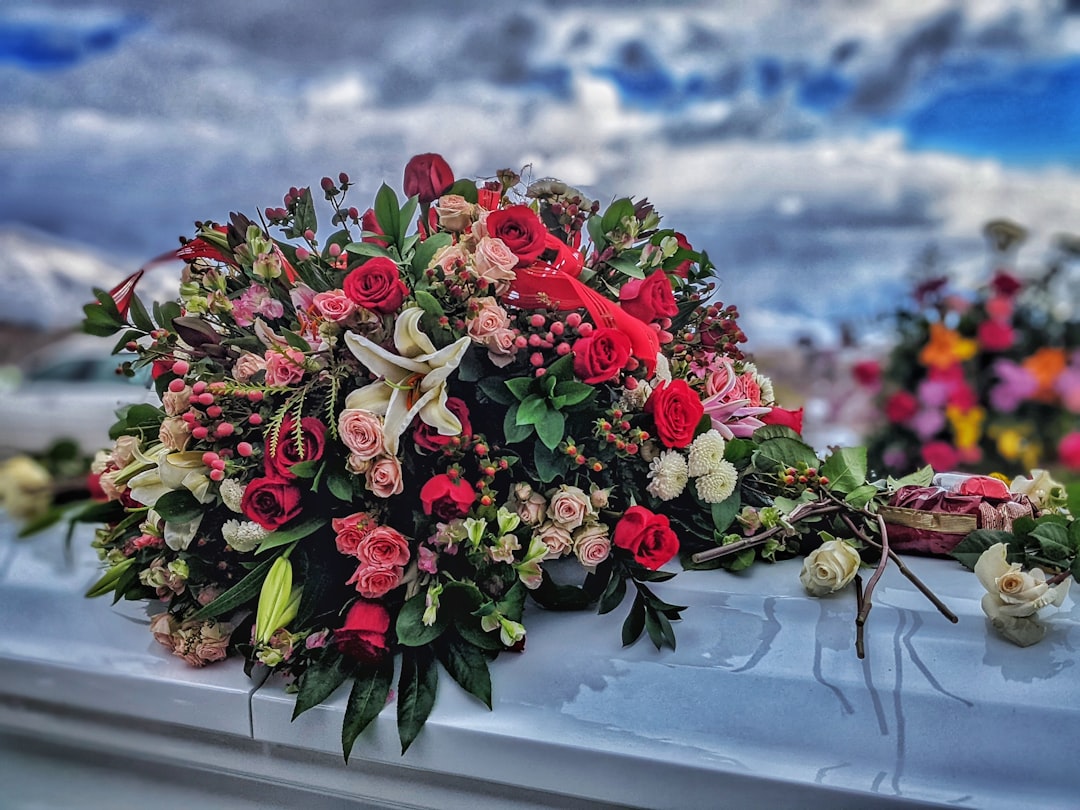
In the Balkan region, particularly in Greece, the concept of family is deeply ingrained in societal values. The loss of a parent, especially a mother, is often viewed as a profound and life-altering event. Cultural traditions surrounding mourning are rich and varied, with many communities observing specific rituals and periods of reflection. These practices provide a framework for individuals to process their grief and receive support from their community. For public figures like Cheilakis, sharing their grief publicly can be seen as both a personal choice and a cultural expectation, as it aligns with the communal nature of emotional expression in the region.
The interview with Cheilakis reflects broader trends in how grief is discussed in contemporary Balkan society. While traditional views may have discouraged open expressions of sorrow, modern media platforms have created spaces for more candid conversations. This shift allows individuals to seek solace in shared experiences and reduces the stigma associated with discussing mental health and emotional pain. Cheilakis’s willingness to speak openly about his inability to accept his mother’s death contributes to this evolving narrative, encouraging others to acknowledge their own feelings without judgment.
Moreover, the resonance of Cheilakis’s story across the Balkans highlights the interconnectedness of cultures in the region. Greek media has a significant reach in neighboring countries, and stories that touch on universal themes like family and loss often transcend national boundaries. This cross-cultural appeal underscores the shared human experience of grief and the power of storytelling to foster empathy and understanding. As such, Cheilakis’s interview is not just a personal reflection but a cultural moment that speaks to many.
Public Reaction and Future Implications
The public reaction to Aimilios Cheilakis’s interview has been overwhelmingly supportive, with fans and fellow celebrities offering messages of comfort and solidarity. Social media platforms have been flooded with comments expressing empathy and sharing personal stories of loss, creating a virtual community of support. This outpouring of emotion demonstrates the impact of celebrity vulnerability and the role of media in facilitating collective healing. For Cheilakis, this response may provide some solace, knowing that his experience is shared by many.
Looking ahead, Cheilakis’s openness about his grief may influence how other public figures in the Balkans address personal tragedies. It sets a precedent for authenticity and emotional honesty in media interactions, potentially shifting the narrative around celebrity privacy and public expectation. As audiences increasingly value relatability and genuine connection, celebrities who share their vulnerabilities may find deeper loyalty from their fanbases. This trend could reshape the dynamics of celebrity culture in the region, making it more inclusive and emotionally resonant.
For readers, this story serves as a reminder of the shared human experience of loss and the importance of community support. It encourages individuals to seek connection and understanding in times of grief, whether through personal relationships or public narratives. As Aimilios Cheilakis continues his journey of healing, his story remains a poignant example of the strength found in vulnerability and the power of shared emotion. The coming months will show how this public dialogue evolves and what it means for the cultural landscape of the Balkans.


Comments