


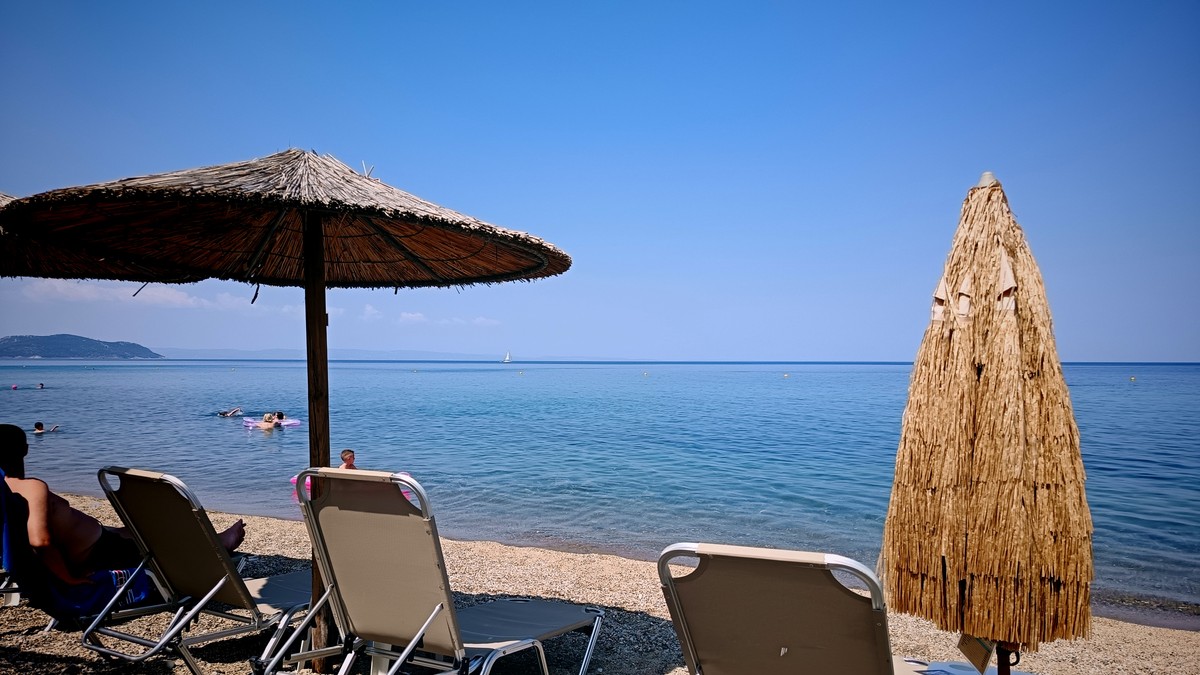
Nestled on the edge of the Aegean Sea, between Crete and the Peloponnese, lies Antikitera, a tiny Greek island with only twenty residents, free from hustle and bustle. The island is ideal for tourists seeking tranquility and nature, boasting picturesque beaches, rich flora and fauna, and historical caves.
The population is aging and small, but local authorities and the church are making efforts to attract new families to settle. The island is described as a "terrestrial paradise," a place of absolute peace and quiet that is increasingly attracting tourists. Life on the isolated Greek island is not always easy; during winter, rough seas often prevent supply boats from docking, leaving residents without essential goods.
Almost everything needed for the small community arrives by boat, from food to fuel for the few vehicles on the island. "Sometimes, when the sea is rough, it's impossible to reach the port," says Panayotis Pavlakis, a coast guard officer who supplies the remote island with essential supplies.
Despite the challenges, residents describe their island as a true paradise. "There is no other place in the world where you can find such absolute peace and quiet," says Janis Cinakos, a retired Greek Air Force general who now spends most of his time on Antikitera.
The school, which was closed for 24 years, reopened last year with the arrival of a young family. To increase the number of residents, local authorities and the Orthodox Church have launched a campaign to attract new families to settle on the island. There is only one traditional Greek café on the island, which serves as a shop and a meeting place for residents throughout the year. A small hostel with fifteen rooms is available for visitors.
In summer, the island revives as descendants return from afar, especially from Australia, where many residents emigrated in the mid-20th century. The island is characterized by wild nature, low hills, rich flora and fauna, picturesque rural chapels, and caves. Numerous ancient trails allow long walks and exploration of untouched nature. Isolated sandy and rocky beaches are perfect for those seeking complete peace and escape from the daily grind.
The history of Antikitera reaches deep into the past, with the first inhabitants believed to be the Dolopes, followed by the Driopes and Cretans. Romans exiled disobedient subjects to the island, which later served as a pirate hideout. Despite its isolation and natural beauty, Antikitera is most famous for two remarkable archaeological finds from the 20th century: the famous bronze statue "The Youth of Antikitera" from around 340 BCE and the Antikythera mechanism, an ancient device for astronomical and calendrical calculations.


Imagine living in a place where you can truly escape the chaos of modern life. Antikitera sounds like the perfect get-away, but can it survive without more residents? What do you think about moving to a place like this?