


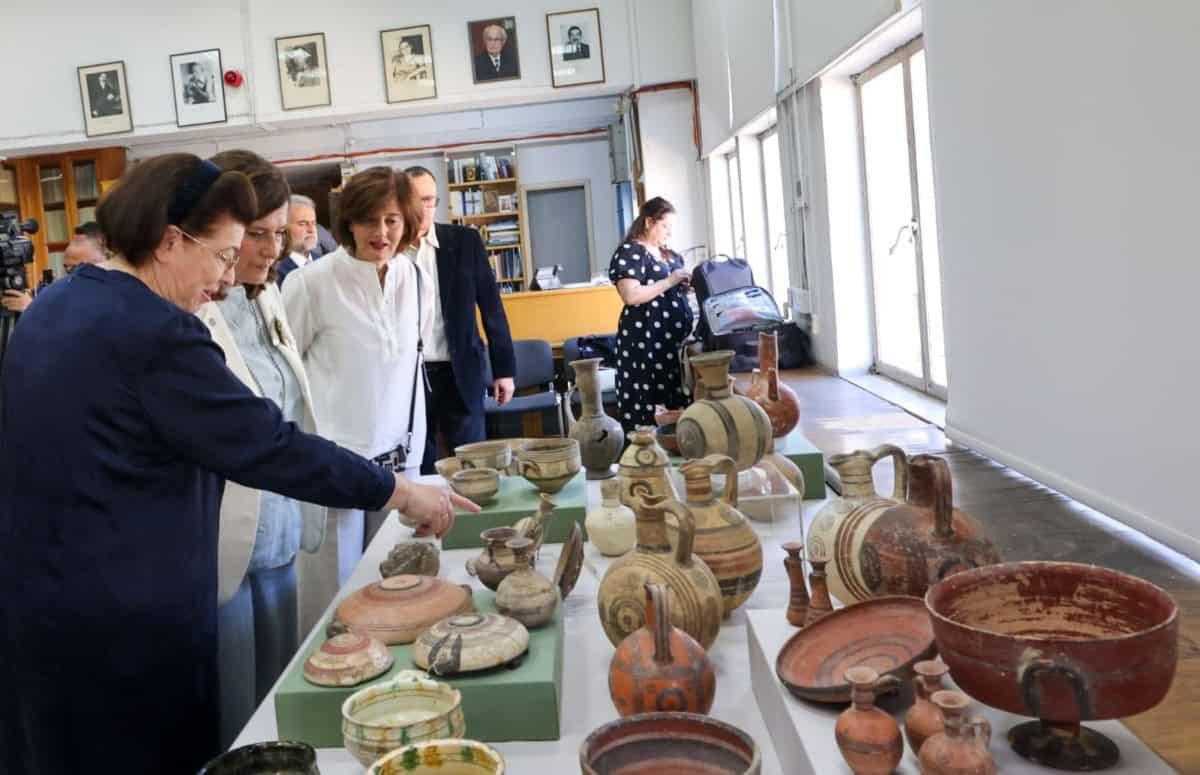
In a significant move for regional heritage cooperation, Athens has officially returned a collection of ancient artifacts to Cyprus. The repatriation follows the voluntary surrender of the items by the heirs of a private collector who originally acquired them during the 1960s and 1970s. This act underscores a growing commitment to ethical stewardship of cultural property across the Eastern Mediterranean.
A Model for Voluntary Restitution
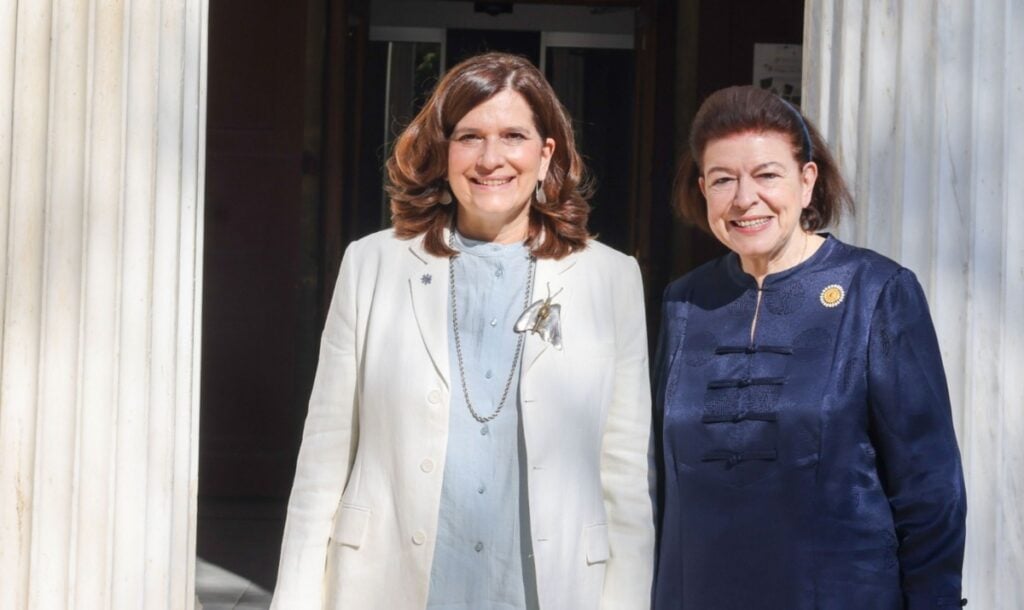
The ceremony took place at the Hellenic Ministry of Culture, where Greek Minister of Culture Lina Mendoni handed the antiquities to Cypriot Deputy Minister of Culture, Dr. Vasiliki Kassianidou. The collection, which had been held in private hands for decades, was returned after the collector passed away. Rather than selling the items on the open market or retaining them, the heirs chose to work with Greek authorities to determine the true origin of the objects.
Once Greek experts verified the Cypriot provenance of the artifacts, the state immediately initiated the return process. This collaborative approach highlights a shift in how private collections are managed, moving away from secretive retention toward transparency and legal compliance. It serves as a practical example of how international agreements can facilitate the return of displaced heritage without lengthy legal battles.
Strengthening Bilateral Cultural Ties
Dr. Kassianidou praised the decisive role played by the Greek government and the collector's family. She emphasized that this repatriation is more than administrative procedure; it is a tangible protection of cultural identity. "This protects the right of societies to keep their relationship with history, memory, and identity alive," she stated. The handover directly fulfills a bilateral cultural pact signed between Greece and Cyprus eighteen months ago, reinforcing diplomatic bonds through shared heritage.
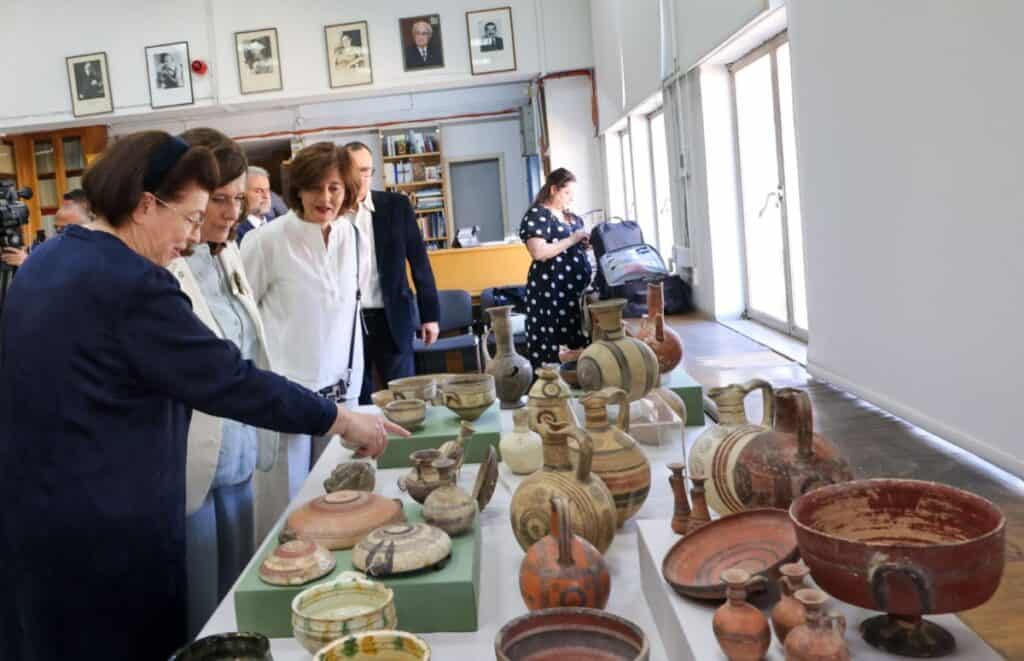
Minister Mendoni reiterated Greece's position as a global leader in fighting illicit trafficking of cultural property. By strictly adhering to international conventions, Greece ensures that stolen or displaced items are systematically returned to their rightful homes. This event sets a precedent for other nations holding items of uncertain provenance, encouraging voluntary returns over protracted litigation. The successful return marks a victory for preservation efforts in the region, ensuring these ancient pieces can be studied and appreciated in their native context.



fenerbahce style cooperation rn honestly this is how it should be done tbh no fighting just return the history...