


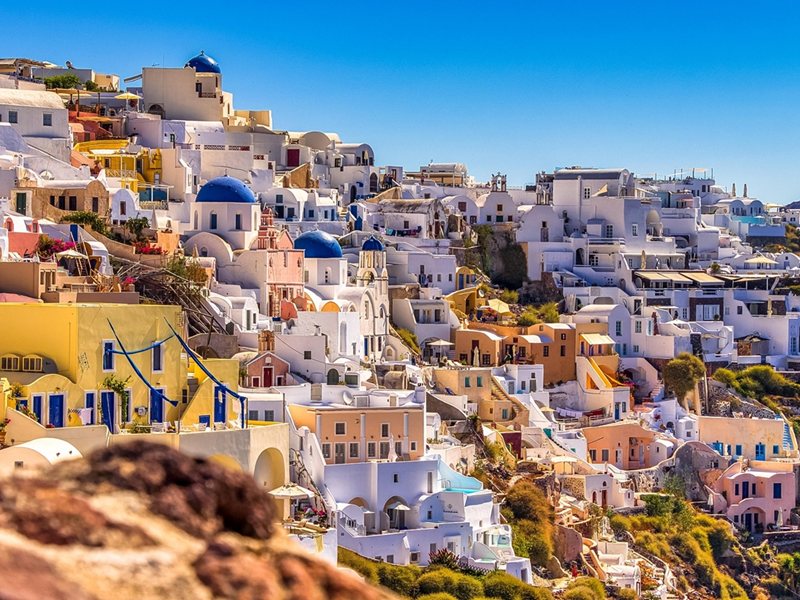
Greece is implementing stringent measures to limit the construction of new hotels in an effort to manage its booming tourism industry. Following years of record-breaking tourist seasons, the country is taking its most significant steps to regulate development. Greece seeks to balance the billions brought in by tourism with the need to preserve its natural beauty and local communities.
The decision comes on the heels of a record-breaking tourist influx. Last year alone, Greece welcomed nearly 38 million visitors with a population of around 10.4 million, and expectations are that this record will be shattered again this year. The new measures are part of a special territorial framework for tourism, adopted in May 2026, covering both popular islands and the mainland.
The government in Athens has outlined the package as a necessary step to protect the environment, infrastructure, and quality of life. Southern neighbors are increasingly seeing the downside of the tourism boom—water shortages, overloaded sewage systems, massive amounts of waste, endless traffic jams, overcrowded beaches, and a sharp rise in property prices and rentals. The islands of Santorini, Mykonos, Rhodes, Crete, Paros, Corfu, and Skiathos, as well as the capital Athens, face the heaviest burden during the active season.
New hotels will not be allowed to exceed a capacity of 100 beds in the most crowded tourist areas. Additionally, the minimum area for construction outside of urban planning zones has been doubled from 4 hectares to 16 hectares in the 18 most overloaded municipalities, significantly limiting construction possibilities in the most popular regions.
New hotel complexes with swimming pools must use seawater instead of fresh water due to the growing water shortage on the islands. A complete ban on new construction within 25 meters of the officially defined shoreline has also been introduced, affecting hotels, tourist complexes, and housing projects along coastlines. Exceptions will be made only for infrastructure for the disabled and emergency roads.
The official coastline has been digitized on the Ministry of the Environment's portal, which authorities say will make it difficult to circumvent the restrictions. Similar strict construction limitations exist in Bulgaria under the Black Sea Coast Regulation Law, adopted nearly 20 years ago.
Stringent measures are also being introduced in Athens. In the historical center of the Greek capital, construction of high-rise buildings over 21 meters, which obstruct the view of the Acropolis, is already being restricted.

This is a huge step for Greece, but will it be enough? The tourism boom has its downsides, but it's also a lifeline for the economy. The real question is, can the government balance this growth without stifling the very thing that brings tourists to Greece in the first place? What do you think they should do next?