


The Federal Republic of Germany is currently navigating a complex and high-stakes procurement decision regarding its next-generation fighter jet, a choice that reverberates far beyond its borders into the security architecture of Southeast Europe. The debate centers on whether Berlin will select the Saab Gripen from Sweden or the F-35 Lightning II from the United States to replace its aging Tornado and Eurofighter fleets. This decision is critical for NATO's air defense capabilities in the region, particularly given the ongoing geopolitical tensions in the Balkans and the broader Eastern European theater. For countries like Bulgaria, Romania, and Croatia, which rely heavily on interoperability with German forces, the outcome will dictate future joint operations, maintenance logistics, and strategic alignment within the alliance.
The urgency of this decision stems from the operational limits of Germany's current air force. The Tornado, a backbone of the German Luftwaffe for decades, is reaching the end of its service life. While the Eurofighter Typhoon is being upgraded, it lacks the low-observable stealth characteristics increasingly deemed necessary for penetrating advanced air defense systems. The search for a successor, often referred to in German media as the "Jet Alliance" or "Jet Coalition" discussion, involves not just technical specifications but deep diplomatic considerations. The choice between a European-led solution and a US-centric platform could reshape defense industrial cooperation across the continent.
The Contenders: Swedish Agility vs. American Stealth
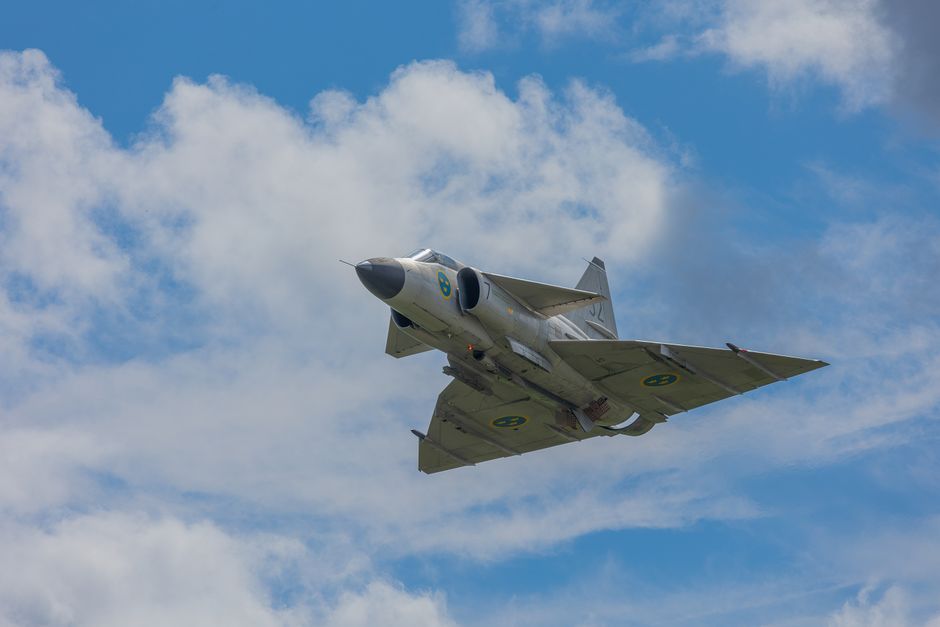
On one side of the debate is the Saab Gripen E, a fourth-generation+ fighter known for its cost-effectiveness, agility, and advanced sensors. Sweden has aggressively marketed the Gripen as a viable alternative to the more expensive fifth-generation options. The primary argument for the Gripen is its affordability and the potential for deeper European industrial cooperation. For Germany, buying the Gripen would support a non-US defense industry, potentially aligning with broader EU goals for strategic autonomy. Furthermore, the Gripen's infrastructure requirements are lower, allowing for dispersed operations from civilian airfields—a tactic that could be relevant in a conflict scenario where major bases are targets.
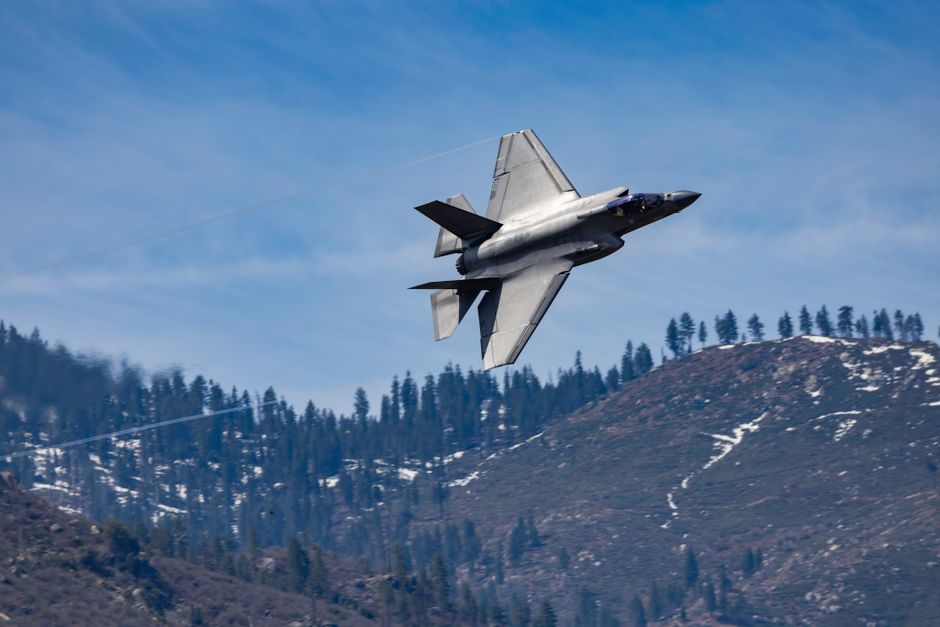
Opposing this is the Lockheed Martin F-35 Lightning II, the world's most advanced stealth fighter. The F-35 offers superior sensor fusion, network-centric warfare capabilities, and stealth technology that the Gripen cannot match. The United States has been pushing for NATO allies to adopt the F-35 to ensure seamless interoperability across the alliance. For Germany, the F-35 represents a guarantee of cutting-edge capability and a strong political bond with Washington. However, the cost of acquisition and maintenance is significantly higher, and the technology transfer restrictions imposed by the US are a point of contention for European defense manufacturers who wish to develop their own future systems.
Balkan Connections and Regional Security
The implications for the Balkans are substantial. Several countries in the region are already integrated into the F-35 ecosystem or are considering it. Bulgaria has recently finalized a deal to purchase F-16V fighters, which are fully compatible with F-35 networks, signaling a clear alignment with US technology. Romania is also a key NATO partner with a growing reliance on American air power, hosting US F-16s and participating in F-35 training programs. If Germany chooses the F-35, it would create a unified technological standard for air operations in Southeast Europe, simplifying joint exercises and command structures. This interoperability is vital for the Alliance's southeastern flank, which faces hybrid threats and requires rapid, coordinated air responses.
Conversely, if Germany opts for the Gripen, it could complicate the technological landscape. While the Gripen is a capable aircraft, its data links and sensor profiles differ from those of the F-35. This could create friction in multi-national operations involving Balkan nations that are invested in the US-led ecosystem. However, the Gripen's presence might also offer a diversified approach to air defense, reducing reliance on a single supplier. For nations like Croatia, which is modernizing its air force and maintaining close ties with both the US and EU, the German decision will influence their own procurement strategies and potential partnerships for maintenance and training infrastructure.
Economic and Industrial Considerations
Beyond military capability, the decision is deeply economic. The German government has emphasized the need for "European sovereignty" in defense, a concept that favors domestic or European solutions. The Gripen deal would likely involve significant industrial offsets in Germany, supporting local jobs and technology development. In contrast, the F-35 program, while offering some production roles for European companies, is primarily an American industrial project. The financial burden is also a key factor; the Gripen is substantially cheaper to operate, which could allow Germany to purchase a larger fleet or invest savings into other defense areas. However, the long-term strategic value of stealth technology may outweigh short-term cost savings, especially given the evolving nature of modern warfare.
The diplomatic weight of the decision cannot be understated. Choosing the Gripen could be seen as a step toward greater European independence from US defense policies, a move that resonates with some political factions in Berlin and Brussels. On the other hand, selecting the F-35 reinforces the transatlantic bond, which remains the cornerstone of NATO's strength. For Balkan countries, which often view the US as a guarantor of regional stability, a German-F-35 alignment would likely be welcomed as a sign of consistent strategic partnership. The outcome will also influence future defense collaborations, potentially affecting joint ventures in missile systems, drones, and cyber defense across the region.
As the decision deadline approaches, the stakes for Germany and its Balkan neighbors continue to rise. The choice will not only define the future of the German Air Force but also shape the technological and strategic landscape of NATO's southeastern flank. Watch for official announcements from the German Ministry of Defense and statements from US and Swedish officials, which will provide further clarity on the final selection. For readers in the Balkans, this decision is a key indicator of future security cooperation and the direction of regional defense policy. The final verdict will determine whether the region moves toward a more integrated US-led air defense network or a more diversified European approach, with lasting consequences for regional stability and military readiness.



Comments