


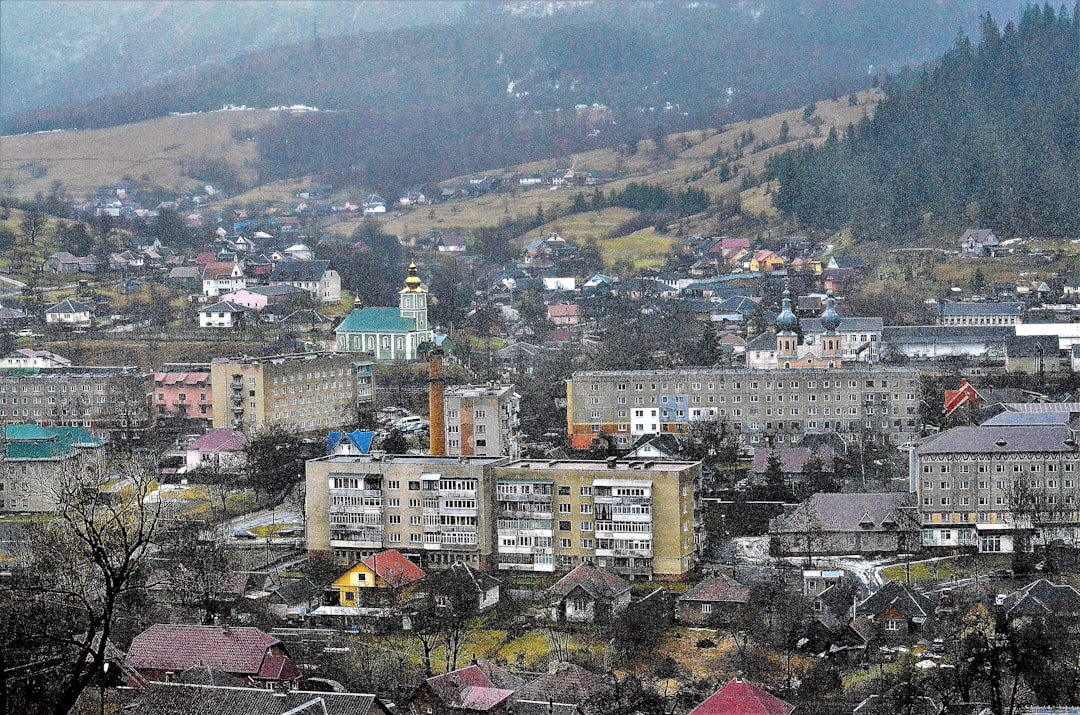
Bulgarian filmmaker Georgi Rachev, widely recognized for his genre-bending horror and sci-fi projects, has ignited a cultural conversation with the upcoming release of his latest film, Front. Scheduled to hit theaters on June 11, the movie promises a high-concept narrative where a mysterious, invisible wall slices through Bulgaria, physically and metaphorically dividing the nation into two distinct halves. For Balkan audiences, this premise resonates deeply, echoing historical divides and contemporary societal fractures in a region still navigating the complexities of its post-communist identity. Rachev, known for pushing the boundaries of local cinema with Love and The Man in the Hat, continues to position himself as a provocateur who uses genre fiction to explore national anxieties.
The announcement has trended across Bulgarian social media and news outlets, sparking debates about the allegorical nature of the plot. While Rachev has maintained a tight lid on specific plot details, teasers suggest a thriller that blends political satire with supernatural elements. This approach mirrors the success of his previous works, which have found international acclaim for their unique blend of local folklore and modern cinematic techniques. The film’s central metaphor—a country split by an unseen force—serves as a potent symbol for the ideological and generational divides that persist in Bulgaria today, making Front more than just an entertainment product but a cultural commentary.
The Filmmaker's Evolution and Genre Mastery
Georgi Rachev is not a newcomer to the spotlight. He first gained significant attention with his 2018 horror film Love, which was nominated for the European Film Award for Best Short Film. His ability to craft atmospheric, tension-driven narratives has made him a key figure in the new wave of Bulgarian cinema. Unlike traditional dramatic films that dominate local festivals, Rachev leans into speculative fiction, a choice that allows him to explore taboo subjects and social critiques under the guise of genre entertainment. This strategy has not only broadened his audience but also attracted international co-productions and distribution deals.
His previous feature, The Man in the Hat, further cemented his reputation for blending humor, horror, and social observation. In Front, Rachev appears to be scaling up his ambitions, moving from intimate character studies to a broader, national-scale allegory. The decision to set the film in contemporary Bulgaria, rather than a fictionalized or historical setting, underscores his intent to reflect current realities. Critics and fans alike are watching to see if he can maintain the critical acclaim of his earlier works while handling a more complex, potentially polarizing subject matter. The film’s production has been supported by local funds and private investors, signaling confidence in the commercial viability of Bulgarian sci-fi.

Societal Divides and the "Invisible Wall"
The core premise of Front—a wall that divides Bulgaria into two—taps into real-world tensions. Bulgaria has experienced significant political polarization in recent years, with protests, economic disparities, and debates over national identity creating a fragmented social landscape. The "invisible wall" serves as a literal manifestation of these divides, forcing characters to confront the "other side" of their country. This allegory is particularly relevant in the Balkans, where historical memories of communism, ethnic tensions, and EU integration debates continue to shape public discourse.
Rachev has hinted in interviews that the wall is not just a physical barrier but a psychological one, representing the refusal of citizens to engage with opposing viewpoints. By setting the story in a recognizable modern Bulgaria, the film invites viewers to reflect on their own societal roles. The June 11 release date is strategically timed to coincide with a period of heightened political awareness in the country, ensuring that the film’s themes resonate with current events. This timing suggests that Rachev is not merely telling a story but engaging in a form of cinematic activism, using his platform to provoke thought and discussion about national unity and division.
Impact on Bulgarian Cinema and International Appeal
The release of Front marks a significant moment for the Bulgarian film industry, which has traditionally struggled to find commercial success with genre films. Rachev’s success demonstrates that there is an appetite for local productions that do not shy away from bold, unconventional narratives. If Front performs well domestically, it could pave the way for more sci-fi and fantasy projects in Bulgaria, reducing the reliance on historical dramas or comedies. This shift could attract younger audiences who are often underserved by the current cinematic offerings.
Internationally, Rachev’s work has already found a niche audience at festivals such as Fantasia and Sitges, which specialize in genre cinema. Front is expected to follow a similar path, potentially securing distribution deals in Europe and North America. The universal theme of division, combined with the unique Bulgarian setting, offers a compelling package for international viewers interested in Eastern European perspectives. As the film prepares for its June 11 premiere, all eyes will be on whether Rachev can translate his critical acclaim into box-office success, further solidifying his status as one of the Balkans' most innovative filmmakers.


Comments