


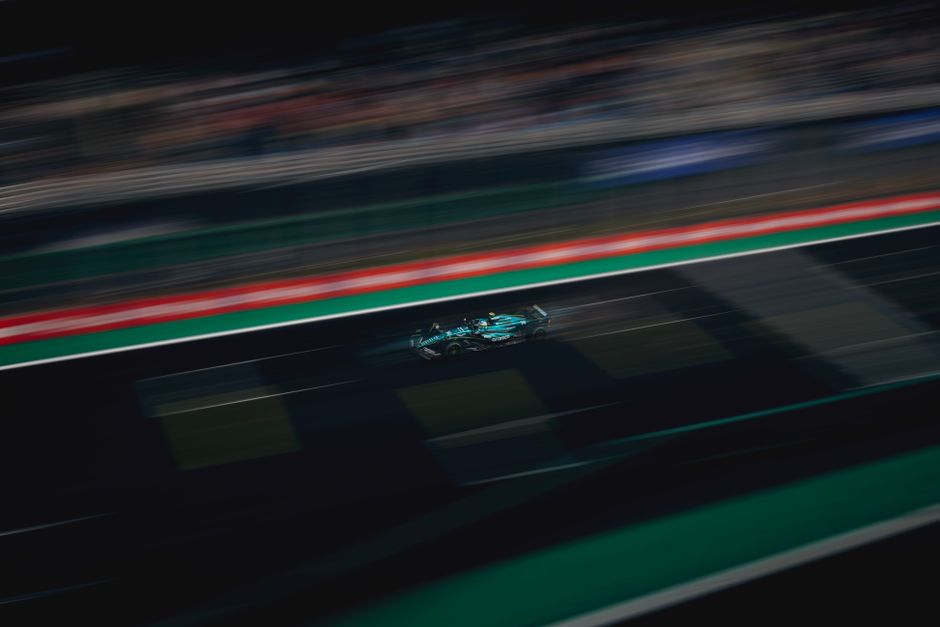
George Russell stands at the precipice of what could be a defining era for Mercedes-AMG Petronas F1 Team. As the 2024 Formula 1 season progresses, the British driver has emerged as the team’s undisputed leader, consistently outperforming teammate Lewis Hamilton in qualifying and race execution. While Max Verstappen and Red Bull Racing have dominated recent years, the gap has narrowed. Russell’s aggressive yet calculated driving style, combined with Mercedes’ evolving W15 chassis, has sparked serious speculation about whether he can secure the team’s first race victory of the season and challenge for the constructors’ championship. For fans across the Balkans, where Formula 1 viewership is surging, Russell represents a fresh narrative of underdog resilience against established giants.
The recent updates from Mercedes highlight a strategic shift towards optimizing aerodynamic efficiency and tire management, areas where Russell has shown particular aptitude. His ability to extract maximum performance from the car during high-stakes qualifying sessions has drawn praise from team principal Toto Wolff. This dynamic is not just about individual brilliance; it reflects a broader organizational effort to reclaim the competitive edge lost since the introduction of ground-effect regulations. The stakes are high, as a breakthrough win could reshape the midfield hierarchy and provide a significant morale boost to a team eager to return to the podium regularly.
Technical Evolution and Driver Dynamics
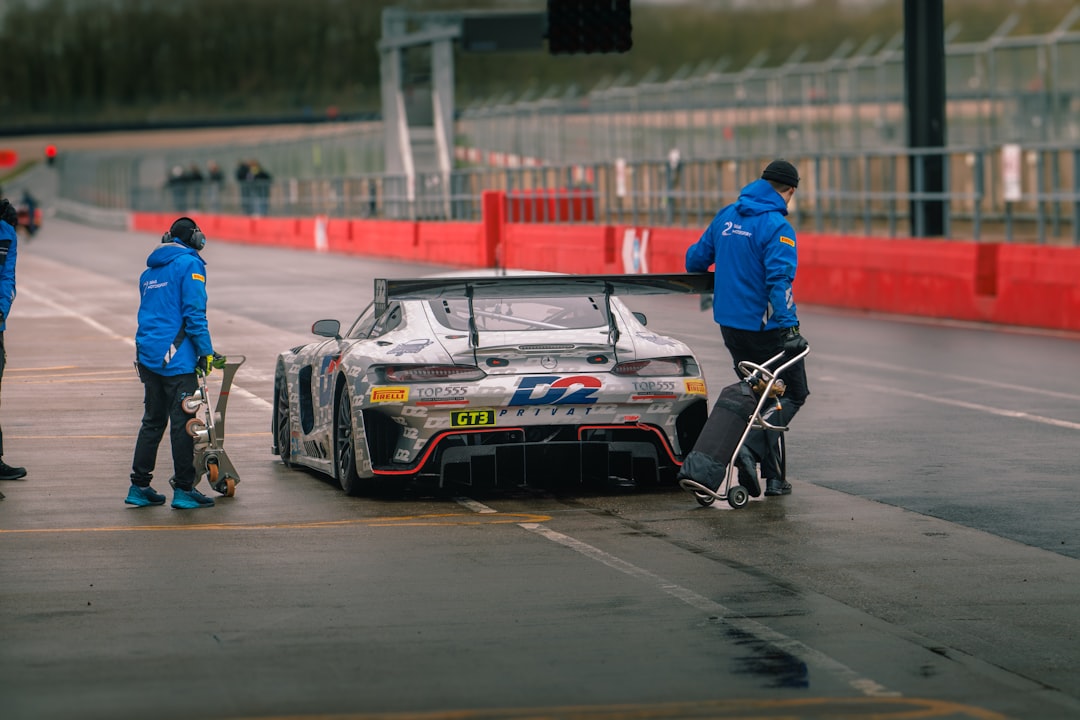
Mercedes has acknowledged that their previous struggles stemmed from a concept that struggled with porpoising and tire degradation. The W15, however, shows marked improvements in high-speed stability and corner exit traction. George Russell’s feedback during testing and early races has been instrumental in refining these setups. Unlike some drivers who prefer a softer, more forgiving car, Russell thrives in a machine that demands precision. This synergy between driver and engineering team is evident in his consistent top-five finishes, even on tracks where Mercedes historically underperformed.
The relationship between Russell and Hamilton adds another layer of complexity. While Hamilton remains a seven-time world champion with immense experience, Russell’s youth and hunger for his first Grand Prix victory have translated into sharper racecraft. In several recent events, Russell has capitalized on strategic calls to gain positions, showcasing a tactical maturity that belies his relative inexperience at the top level. Mercedes is clearly banking on Russell’s consistency to build a foundation for future success, while Hamilton’s role evolves into that of a mentor and strategic asset. This dual approach allows the team to learn and adapt rapidly, leveraging the strengths of both drivers.
Furthermore, the technical regulations for the upcoming seasons are set to introduce new aero restrictions and standardized components. Mercedes’ current development path aims to position them favorably within these constraints. Russell’s ability to adapt to changing car characteristics quickly is a critical advantage. As the season moves into the second half, the team will focus on fine-tuning the power unit and suspension geometry to maximize performance on varied circuit layouts. The data collected from Russell’s drives provides invaluable insights, helping engineers make informed decisions that could yield long-term benefits.
The Balkan Connection and Regional Interest
Formula 1 has seen a dramatic increase in popularity across the Balkans in recent years, driven by the success of regional drivers and teams. While no current driver from Greece, Bulgaria, Serbia, Romania, Croatia, Turkey, Montenegro, Bosnia, or North Macedonia competes in the top tier, the region’s passion for motorsport is undeniable. Fans in Belgrade, Sofia, Athens, and Bucharest follow every race closely, often gathering in pubs and fan zones to watch live broadcasts. George Russell’s rise resonates with this audience because he represents a driver overcoming significant odds to compete at the highest level, a narrative that appeals to fans who cherish underdog stories.
Moreover, the upcoming Las Vegas Grand Prix and other international events are broadcast extensively in Balkan countries, with local networks providing commentary in native languages. The presence of drivers like Valtteri Bottas, who has strong ties to the region through his previous team and personal connections, keeps the sport relevant. Russell’s performances are often discussed on regional sports forums and social media, where fans analyze his strategy and compare him to other contenders. This engagement demonstrates that Formula 1 is no longer a niche interest but a mainstream spectacle in the Balkans, with fans deeply invested in the technical and human dramas of the sport.
The economic impact of this growing interest is also notable. Sponsorship deals involving Balkan companies with F1 teams are on the rise, and local businesses capitalize on race weekends with themed promotions. As Mercedes seeks to broaden its global footprint, the Balkan market represents an untapped opportunity for fan engagement and brand loyalty. Russell’s potential success could further cement this connection, inspiring a new generation of young drivers from the region to pursue careers in motorsport. The region’s rich history in automotive engineering and racing provides a fertile ground for this growth, making every race weekend a significant cultural event.
Looking Ahead: Challenges and Opportunities
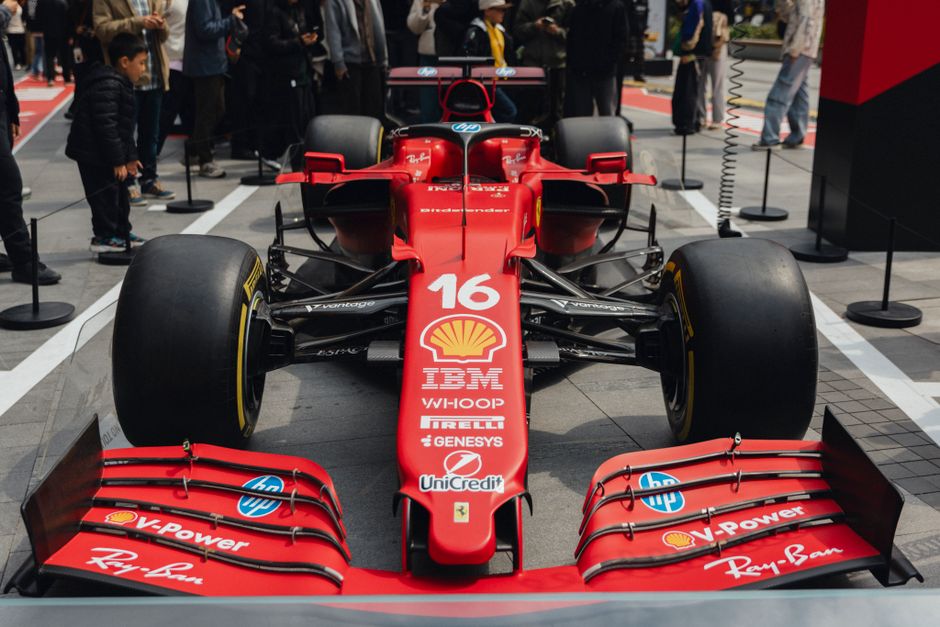
As the season progresses, George Russell and Mercedes face stiff competition from Ferrari and McLaren, both of which have shown remarkable improvement. Ferrari’s SF-24 has demonstrated strong pace on high-speed circuits, while McLaren’s MCL38 offers exceptional consistency. Russell must maintain his focus and avoid errors, as any mistake could prove costly in a tightly contested championship. The team’s ability to innovate during the in-season testing ban period will be crucial, relying on simulation and data analysis to stay ahead of rivals.
Key races in the latter part of the season, including the Singapore Grand Prix and the Japanese Grand Prix, will test Mercedes’ capabilities on street circuits and technical tracks. These events often favor drivers who can manage tire wear and navigate complex sectors with precision, strengths that Russell possesses. A podium finish or victory in these races would signal that Mercedes has genuinely closed the gap to the front-runners. The team’s strategic calls, particularly regarding pit stop timing and tire compound selection, will play a decisive role in these outcomes.
For Balkan fans, the coming weeks offer a compelling storyline. Watching Russell battle for position against established champions provides a narrative of ambition and determination that transcends borders. Whether he secures a win or not, his performance has already elevated the profile of Mercedes and reinvigorated interest in the team. The future of Formula 1 is increasingly global, and the engagement of audiences in regions like the Balkans underscores the sport’s universal appeal. As the season reaches its climax, all eyes will be on George Russell to see if he can deliver the breakthrough that Mercedes and its fans have been waiting for.

Comments